The National Oceanic and Atmospheric Administration (NOAA) is evaluating how a possible El Niño event could influence the 2026 Atlantic hurricane season, with scientists watching for conditions that may depart from the highly active pattern seen in recent years. The forecast update, reported by Fox Weather, focuses on the relationship between large-scale climate patterns and tropical storm activity across the Atlantic basin.
A Possible Break from Years of Above-normal Activity
Recent Atlantic hurricane seasons have frequently produced activity above historical averages, creating a period of sustained attention from forecasters and coastal communities. NOAA’s latest assessment examines whether 2026 could represent a different phase in that broader pattern.
The agency noted that a below-normal season would be unusual compared with recent history.
“If the 2026 Atlantic hurricane season ends up being below-normal, it would mark only the second season in the last decade without above-normal activity,” NOAA said.
According to Fox Weather, the potential shift is linked to several atmospheric and oceanic factors that influence storm development, including wind patterns, sea surface temperatures and the broader state of the climate system. Forecast models continue to monitor how these variables evolve before the peak of the Atlantic hurricane season.
A quieter season would not mean an absence of hurricanes or impacts. Even seasons with fewer named storms can produce significant events when conditions allow individual systems to strengthen or follow vulnerable paths.
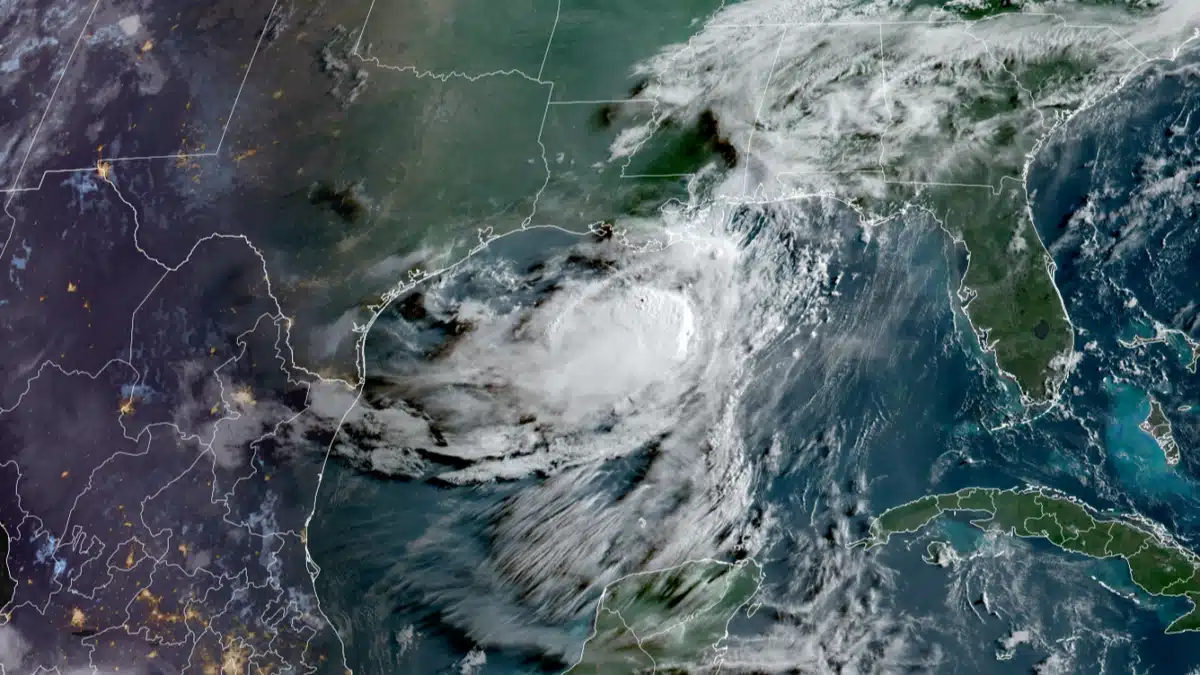
Image credit: Tropical Storm Bertha captured by NOAA Satellites
El Niño Adds Uncertainty to Hurricane Forecasts
One of the major climate signals being monitored is El Niño, a phenomenon that can affect global weather patterns by changing ocean temperatures and atmospheric circulation. In the Atlantic, El Niño conditions often influence hurricane formation by affecting the environment where storms develop.
NOAA researchers are examining whether a stronger El Niño pattern could alter typical hurricane behavior. The agency has highlighted that a strong climate event may not simply reduce activity but could also change the characteristics of storms that do form.
“A strong event could have different impacts than those traditionally observed as opposed to similar impacts with greater intensity,” NOAA said.
This means forecasters are looking beyond the total number of storms when assessing seasonal risk. Factors such as storm strength, rainfall potential, rapid development and regional impacts remain central parts of hurricane forecasting.
The evolving climate picture makes long-range predictions more complex, as several competing influences can shape the final outcome of a season. NOAA continues to update its projections as new observations become available.
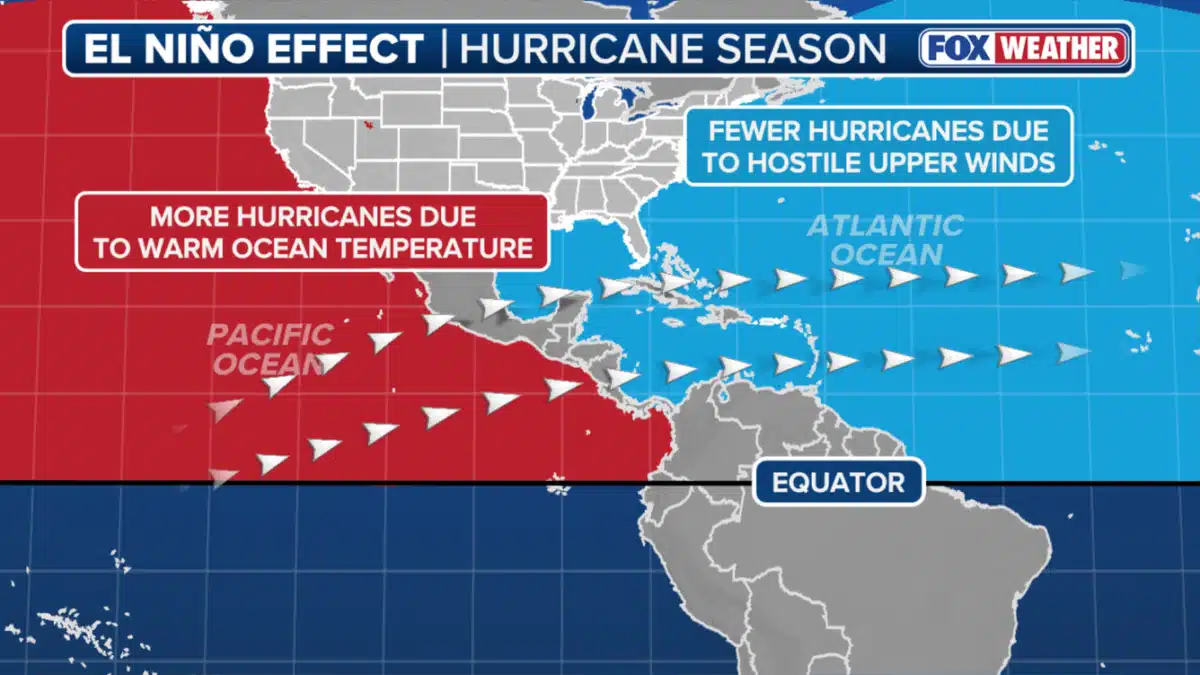
Credit: FOX Weather
Why Hurricane Activity Can Vary from Year to Year
Atlantic hurricane activity is driven by a combination of natural climate cycles and short-term atmospheric conditions. While warmer ocean temperatures can provide energy for storms, other factors determine whether that energy translates into widespread tropical activity.
Wind shear, atmospheric moisture and large-scale circulation patterns all play a role in deciding whether tropical disturbances can organize and strengthen. A change in one major factor can significantly affect seasonal forecasts.
The 2026 outlook is part of a wider effort by NOAA to improve understanding of how climate patterns influence hurricane risks. Scientists rely on satellite observations, ocean measurements and advanced forecasting models to track these changes.
The Atlantic basin has experienced several highly active seasons in recent years, increasing demand for accurate early forecasts. A possible shift toward a different pattern would provide researchers with new data about the relationship between climate signals and storm behavior.