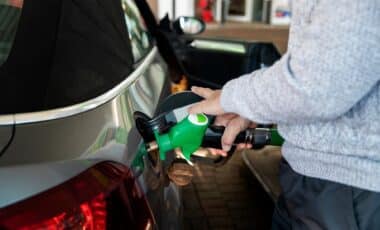

It’s not just the long weekend traffic that’s causing a headache for Australians—fuel shortages have hit hard. With over 300 service stations across the country running out of diesel, people are left scrambling to find their next tank. Energy Minister Chris Bowen confirmed the shortage, attributing it to strong demand, but also reassured Aussies that there’s enough fuel to last in the coming weeks. So, what’s behind the problem, and when will things settle down?
Diesel Shortages Affecting Hundreds of Service Stations
As families across Australia headed off for the Easter long weekend, the demand for fuel surged, especially for diesel. Bowen confirmed that 312 fuel bowsers—out of a total of 8,000 across the nation—have run dry. New South Wales is the hardest hit, with 150 stations running out of diesel. Victoria follows closely with 51, while Queensland, South Australia, Tasmania, and the ACT are all feeling the effects as well.
The Easter rush, coupled with global supply chain issues, exacerbated the situation. Bowen said the current stockpiles of fuel are still robust, with 39 days of petrol, 29 days of diesel, and 30 days of jet fuel available. Despite the strong demand, he reassured the public that fuel imports are still flowing smoothly into Australia’s terminals.
Rising Diesel Prices and Global Tensions
While the immediate concern is supply, there’s another issue looming over Australians’ heads: high diesel prices. Currently sitting at around $3 per litre, diesel prices are a burden, especially as many sectors, including transport and farming, depend on it. Peter Khoury from the NRMA noted that while petrol prices have dropped by 20-30 cents per litre, diesel remains a significant issue.
The spike in fuel prices is partly due to global factors. Bowen pointed to the ongoing tensions between the United States, Israel, and Iran as a contributing factor to the fluctuation in oil prices. On top of this, oil prices increased by $46 a barrel overnight, causing further instability in the market. As a result, fuel prices are expected to remain volatile for the foreseeable future.
What’s Being Done to Fix It?
The government is working to ease the pressure on Australian motorists. Measures like halving the fuel excise for three months were introduced to provide some relief. But Bowen also emphasized that the road to stability would take time. “Even if the war ended today, there has been impacts on the supply chain that will be with us for weeks and months ahead,” Bowen said during a press conference, reports Sky News.
Despite the uncertainty, there’s a silver lining. Around 50% of NRMA members are responding by adjusting their driving habits, using public transport, and cutting back on fuel consumption. This reduction in demand, combined with continued supply, might help ease the situation in the coming days.
Looking Ahead
For now, it’s a waiting game. Australians can rest assured that there is fuel coming in, but the volatility in global markets and the high demand could continue to impact fuel availability and pricing. It’s a good reminder of just how interconnected global events are with our everyday lives. As the long weekend wraps up and the holiday travel slows down, we can only hope that the situation stabilizes, but the uncertainty of the fuel market shows that we may be in for more bumps along the road.