Australia has moved quickly to secure its fuel lifeline as global tensions begin to disrupt energy markets. With supply routes under pressure, concerns have emerged over potential shortages and rising prices. In response, the government has sought direct guarantees from key partners. The outcome offers short-term reassurance, though underlying risks remain.
Government Secures Assurances from Major Suppliers
The Australian government has obtained explicit guarantees from key Asian partners that fuel exports will continue despite disruptions linked to the conflict involving Iran.
Assistant Minister for Foreign Affairs and Trade Matt Thistlethwaite confirmed that discussions with Japan, South Korea and Singapore led to firm commitments to maintain supply, reports AFR. The concern was clear: in times of global stress, exporting nations may choose to retain fuel for domestic use.
So far, that scenario appears to have been avoided. Officials indicate that supply agreements remain in place, and shipments to Australia are expected to proceed without interruption — at least in the short term.
Heavy Reliance on Imported Refined Fuel
Australia’s position remains somewhat paradoxical. While it is a major exporter of fossil resources, it depends heavily on imported refined fuel, much of it sourced from Asia.
Only about 17% of fuel is refined domestically, leaving the country reliant on external processing and shipping networks. South Korea accounts for roughly 25% of imports, with additional supply coming from Malaysia and Singapore.
This structure has long been part of the national energy model. It works efficiently under stable conditions, but becomes more fragile when global supply chains are disrupted. And that fragility is starting to draw attention again.
Rising Prices and Early Supply Pressures
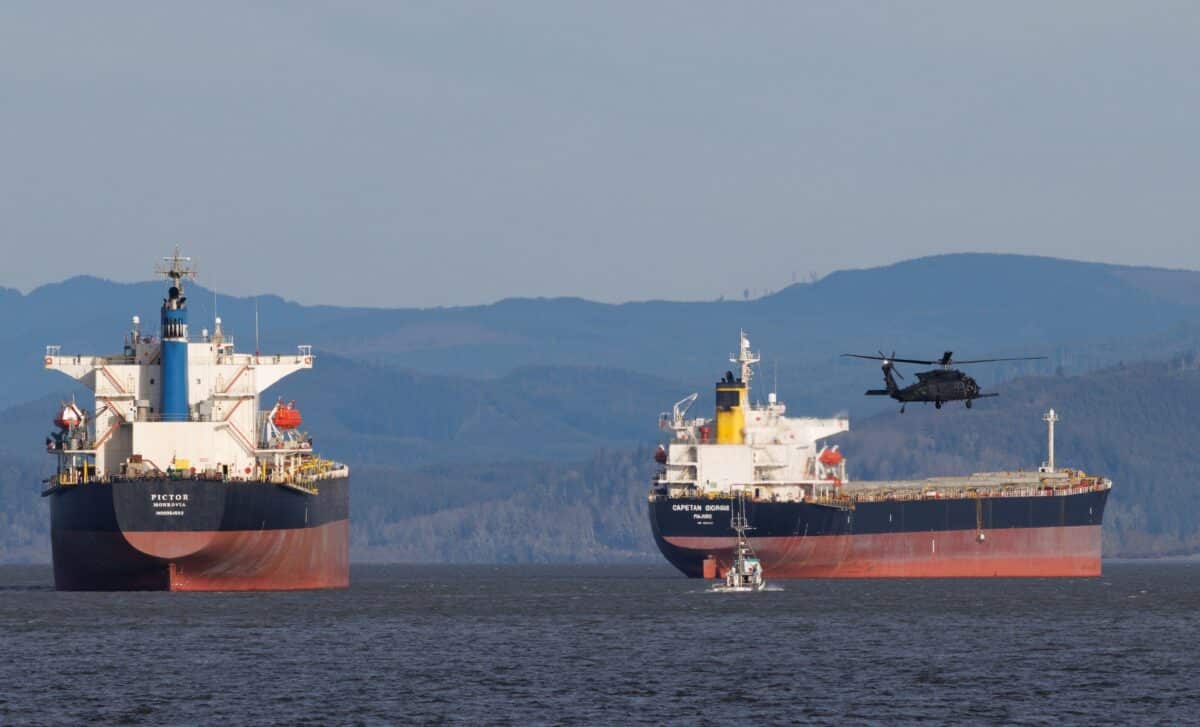
The effects of the conflict are already visible. Fuel prices have increased, reflecting tighter global supply and uncertainty around key transit routes such as the Strait of Hormuz.
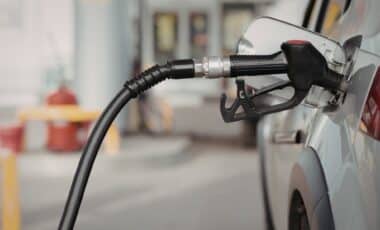
At the same time, some petrol stations across Australia have reported limited availability of certain fuel types. These shortages remain localised, not systemic, but they hint at how quickly disruptions can move through the supply chain.
It’s a familiar pattern: global tension first hits prices, then logistics, and only later — if it escalates — broader availability.
A System Under Strain, Despite Reassurances
The assurances secured by Canberra provide a degree of stability. Diplomatic coordination has, at least for now, helped prevent immediate supply interruptions.
Still, the underlying exposure remains. Australia’s reliance on external refining means that geopolitical events — even those geographically distant — can translate into domestic consequences.
There is no immediate crisis. But there is a growing awareness that the system leaves little margin for prolonged disruption. And that, perhaps, is what stands out most in the current situation — not urgency, but a quiet, persistent vulnerability.