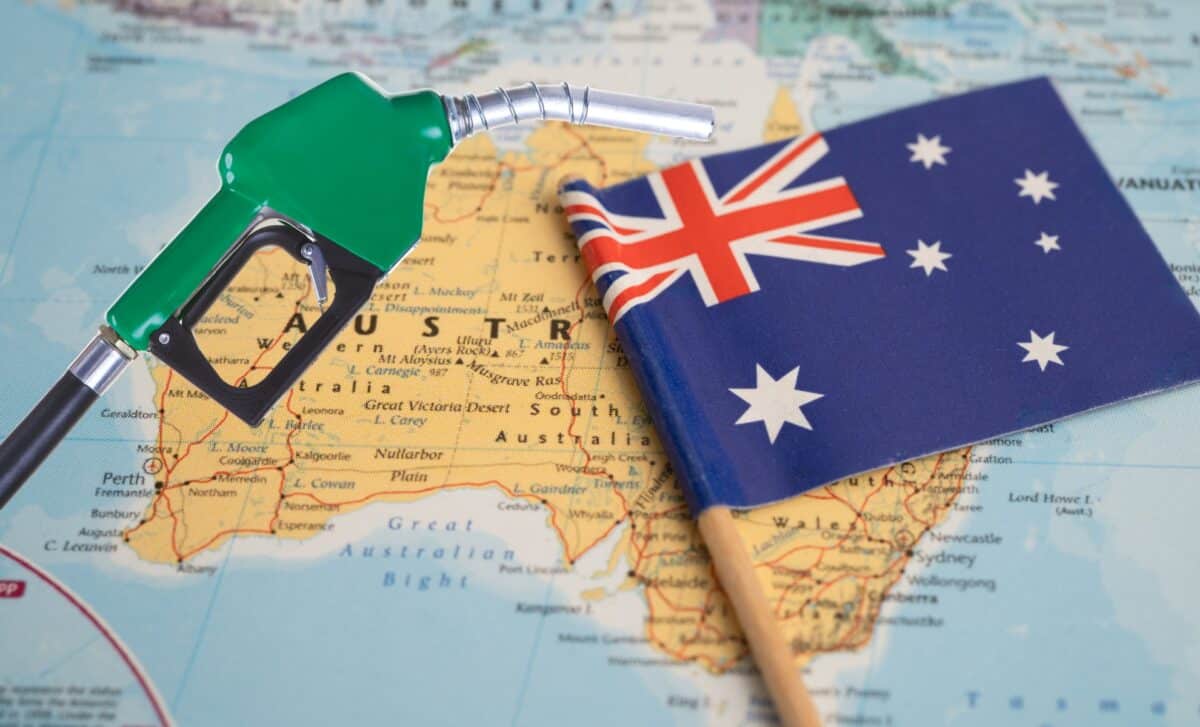
Fuel prices have been a hot topic in Australia lately, and with global tensions continuing to stir, it’s hard not to worry about whether the pumps will stay full. Fortunately, there’s some good news. Australia’s fuel shipments are secured well into May, at least for now. But while we can breathe a sigh of relief, there’s a bigger question lingering: what happens when the situation changes?
A Short-Term Relief for Fuel Supply
According to Energy Minister Chris Bowen, the Australian government has ensured that fuel supplies will remain secure through April and May, even as global uncertainties continue to affect the market. This announcement comes after a period of severe disruptions to fuel shipments, which had many wondering whether Australia would be left scrambling for fuel in the coming months.
Bowen pointed out that, despite an expected increase in travel over Easter, fuel shipments actually increased during this period, showing that the country was better prepared than initially thought. “The government will keep working with industry to ensure the security of fuel supply as best we can in these difficult international circumstances,” Bowen explained, reports 9News. But, he quickly added, the current stability comes with a reminder: global tensions remain high, and the situation could change quickly.
Fuel Shortages Across Australia
While the outlook is promising, the reality on the ground is a bit more complicated. According to the latest figures, 274 service stations across Australia are still out of diesel, and fuel shortages continue to plague various parts of the country. New South Wales is bearing the brunt, with 142 stations running out of diesel and 39 with no petrol. Victoria, Queensland, and Western Australia are also feeling the pinch, though not as severely.
One of the hardest-hit sectors is agriculture, with farmers in NSW struggling to get the fuel they need to plant crops. Some farmers have even been forced to abandon their planting plans, which could lead to longer-term food shortages. The government is prioritising fuel supply to ensure that essential services like farming can continue, but there’s a limit to how much can be done in the short term.
The Strait of Hormuz and Global Trade
While Australia’s fuel supplies are relatively stable right now, Bowen stressed that the Strait of Hormuz, a vital shipping lane for oil, needs to remain open for the supply chain to continue functioning smoothly. The ongoing geopolitical tensions in the Middle East have made this area a hotspot for disruptions. If the Strait remains blocked, it could lead to further shortages and price hikes globally.
To offset some of these risks, Bowen mentioned that Australia is working closely with Singapore and other Asian countries to ensure that trade agreements remain intact. These measures are crucial for keeping the fuel flowing as we head into the uncertain months ahead.
What Does the Future Hold?
For now, Australia’s fuel supplies are in a reasonably stable condition, but it’s clear that the future remains uncertain. Rising tensions and unpredictable global events could easily tip the balance. As Bowen concluded, “We’ll continue to see no ships cancelled that have been ordered for Australia,” but even with that reassurance, Australians must stay alert to the challenges still on the horizon.