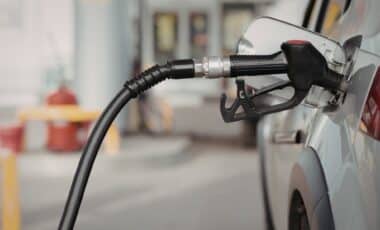

Australia rarely worries about energy shortages. The country exports huge amounts of coal and natural gas, powering industries across Asia. Yet when it comes to the fuel used in everyday life — petrol, diesel and jet fuel — the picture is very different.
Australia Relies Heavily On Imported Fuel
Despite its reputation as an energy powerhouse, Australia imports the vast majority of its refined fuel. Petrol, diesel and aviation fuel used across transport, agriculture and mining largely arrive from overseas refineries.
In 2025, more than 80 per cent of Australia’s refined fuel supply came from imports, mainly from Asia. South Korea accounted for about 25 per cent, followed by Malaysia, India, Taiwan and China. Much of that fuel is refined from crude oil sourced in the Middle East.
That global supply chain works smoothly in normal times. But when geopolitical tensions disrupt shipping routes, Australia’s dependence becomes much more visible.
Conflict In The Middle East Raises New Risks
Recent US and Israeli strikes on Iran have heightened concerns about global fuel supply disruptions. The conflict has effectively closed the Strait of Hormuz, a critical shipping route for oil tankers moving through the Middle East.
For countries that rely heavily on imported fuel, that development creates immediate uncertainty. Some fuel deliveries to Australia have already been cancelled, raising concerns that supplies could tighten if the conflict drags on.
Experts say the real pressure point could arrive within weeks. Fuel shipments are largely secured until mid-April, but beyond that the outlook becomes less predictable.
Domestic Refining Capacity Has Shrunk
Australia once had a far stronger domestic fuel industry. In 2000, the country operated eight oil refineries, allowing it to process most of the petroleum products it needed. Today, only two refineries remain, located in Victoria and Queensland. As older facilities closed over the past two decades, Australia became increasingly dependent on imports.
Domestic crude oil production has also declined sharply. By 2025, local output met just 5.6 per cent of national demand, leaving the country heavily exposed to global fuel markets, reports Bloomberg.
Early Signs Of Supply Pressure
In recent weeks, there have already been reports of petrol stations running dry, not just in rural areas but also in some major cities. Energy Minister Chris Bowen said panic buying played a role, with demand doubling in a matter of days.
Farmers have also reported difficulties securing fuel deliveries as the winter planting season approaches. Diesel is essential for operating tractors and other equipment used to plant crops like wheat, barley and canola.
Airlines have also begun adjusting flight schedules in some areas as aviation fuel supplies tighten.
Australia’s Emergency Fuel Reserves
Australia does hold fuel reserves for emergencies, though they operate differently from strategic reserves maintained by countries such as the United States. Under the Minimum Stockholding Obligation, fuel companies are required to hold minimum supply levels. Currently this equates to roughly 24 days of petrol supply, 24 days of jet fuel and around 20 days of diesel.
As of mid-March, Australia had about 38 days of petrol reserves and roughly 30 days of diesel and jet fuel. However, international guidelines recommend countries maintain at least 90 days of fuel supply, meaning Australia falls well below that benchmark.
Why Fuel Reserves Are Relatively Low
Energy experts say the situation largely reflects decades of policy choices. As domestic refineries closed, governments relied on global markets to deliver fuel efficiently rather than building large national reserves.
That strategy worked well in stable conditions. Australia’s proximity to refining hubs in Singapore, South Korea and Japan allowed a “just-in-time” supply model, keeping costs low and supply steady. But global disruptions such as pandemics or wars can quickly expose the fragility of that system.