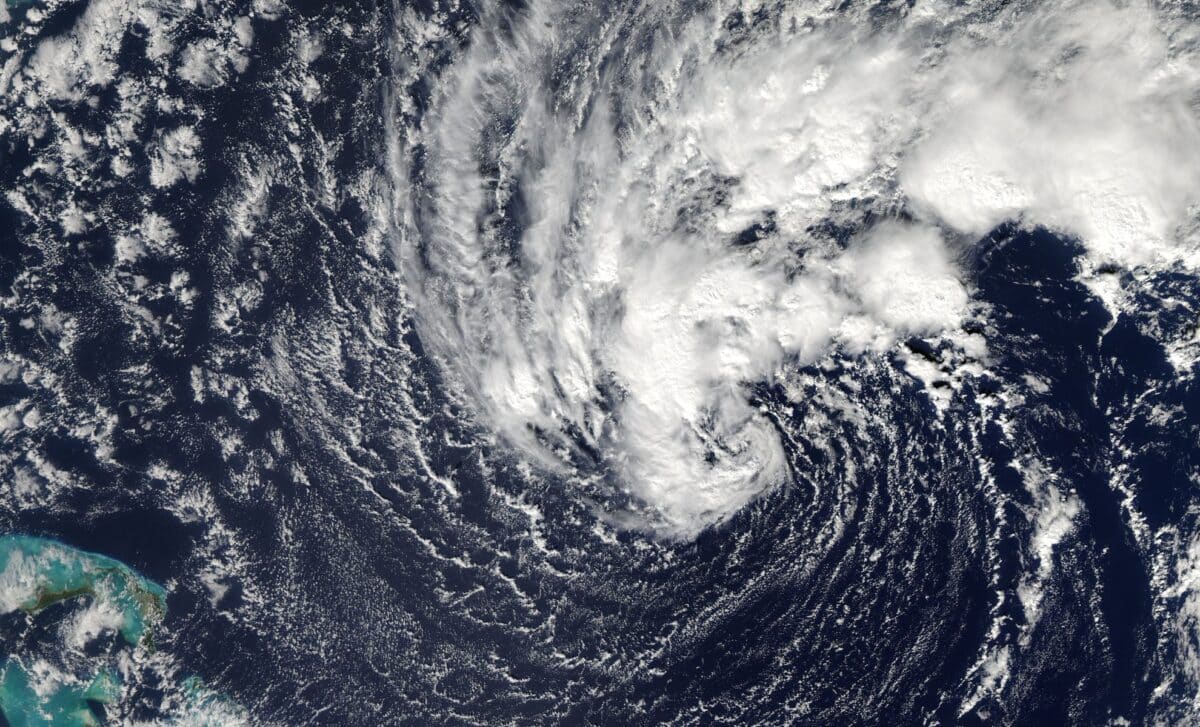
The developing system is drawing attention along Mexico’s southern and southwestern coastline, where dangerous surf conditions are expected in the coming days. Although Vance remains offshore, its projected intensification and uncertain path have prompted meteorologists to monitor the storm’s progress closely.
Tropical Storm Vance Strengthens As It Moves Westward Across the Pacific
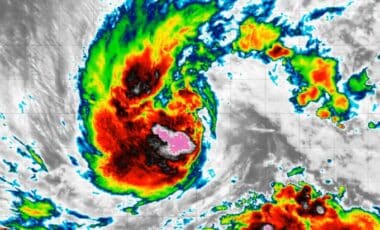
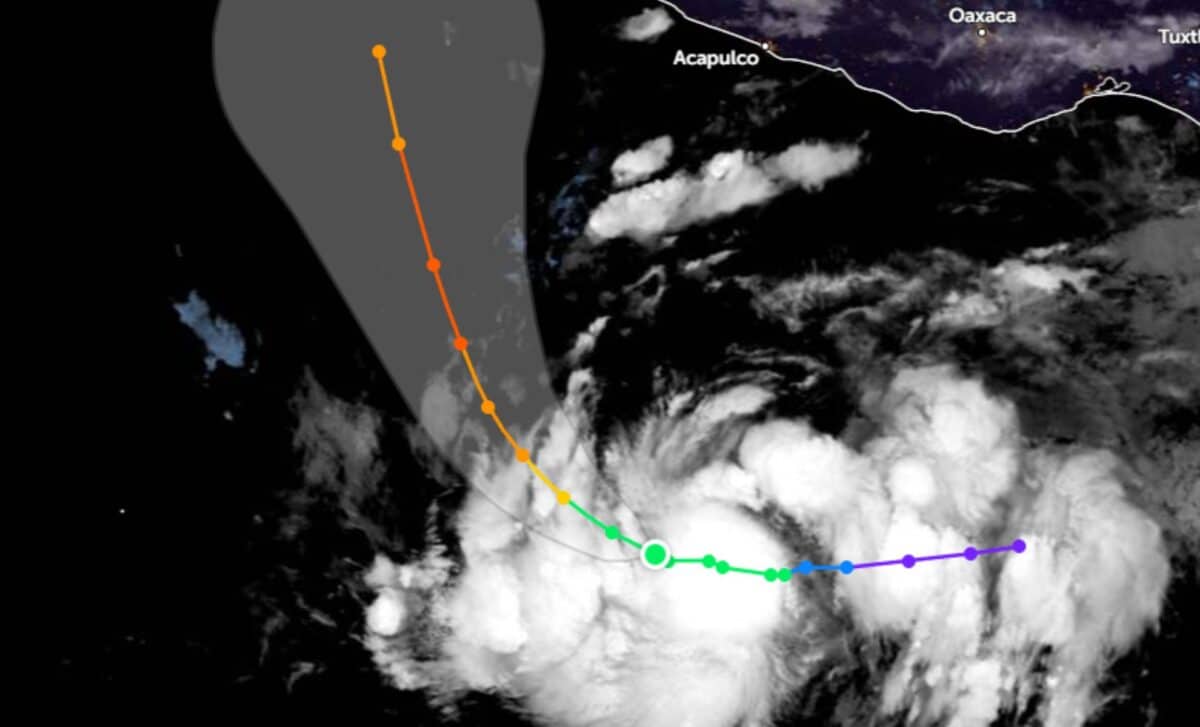
According to the Associated Press, Tropical Storm Vance formed on Wednesday with maximum sustained winds of approximately 40 mph (65 km/h). At the time, its center was located about 520 miles (835 kilometers) south of Acapulco, Mexico, with no immediate threat to land.
By early Thursday, the storm had strengthened. In its 3 a.m. CST advisory on October 22, the National Hurricane Center reported maximum sustained winds of 50 mph (85 km/h), with higher gusts.
The storm’s center was positioned near latitude 9.7 degrees north and longitude 101.5 degrees west, approximately 510 miles (820 kilometers) south-southwest of Acapulco and 670 miles (1,075 kilometers) south-southeast of Manzanillo, Mexico.
Vance was moving westward at 7 mph (11 km/h), with a turn toward the northwest expected over the following couple of days. Tropical-storm-force winds extended outward as far as 80 miles (130 kilometers) from its center, while its estimated minimum central pressure stood at 1,000 millibars.
The National Hurricane Center expects rapid intensification over the next couple of days, with Vance forecast to become a major hurricane by Saturday. No coastal watches or warnings were in effect at the time of Thursday’s advisory.
Mexico’s Pacific Coast Faces Dangerous Surf As Vance Intensifies
Although Vance remains over open water, its development could bring hazardous conditions to portions of Mexico’s Pacific coastline. The National Hurricane Center warned that swells generated by the storm are expected to begin affecting southern and southwestern Mexico this weekend and continue into next week. These conditions are likely to produce life-threatening surf and rip currents.
According to AccuWeather, Vance could strengthen into a Category 3 hurricane, with sustained winds reaching at least 111 mph. Its projected track has raised concerns about possible impacts along Mexico’s western coastline, although the precise extent remains uncertain.
AccuWeather Lead Hurricane Expert Alex DaSilva urged residents and businesses across western Mexico to monitor the storm closely. He noted that Vance’s eventual path would determine whether the region experiences significant impacts or whether the system remains entirely offshore.
Meteorologists are also monitoring wind shear, steering winds and nearby weather systems, all of which could influence Vance’s movement during the coming week. AccuWeather reported that the storm is following a track similar to Tropical Storm Trudy, which affected the region earlier in October. Vance follows several other named systems in the 2026 Pacific hurricane season, including Polo, Simon and Rachel.
Depending on how atmospheric conditions evolve, some remaining tropical moisture could eventually reach Texas and Oklahoma next week. For now, forecasters are focused on Vance’s expected strengthening and the dangerous coastal conditions that could develop even without a direct landfall.