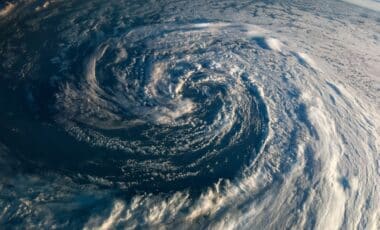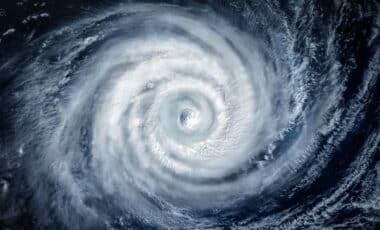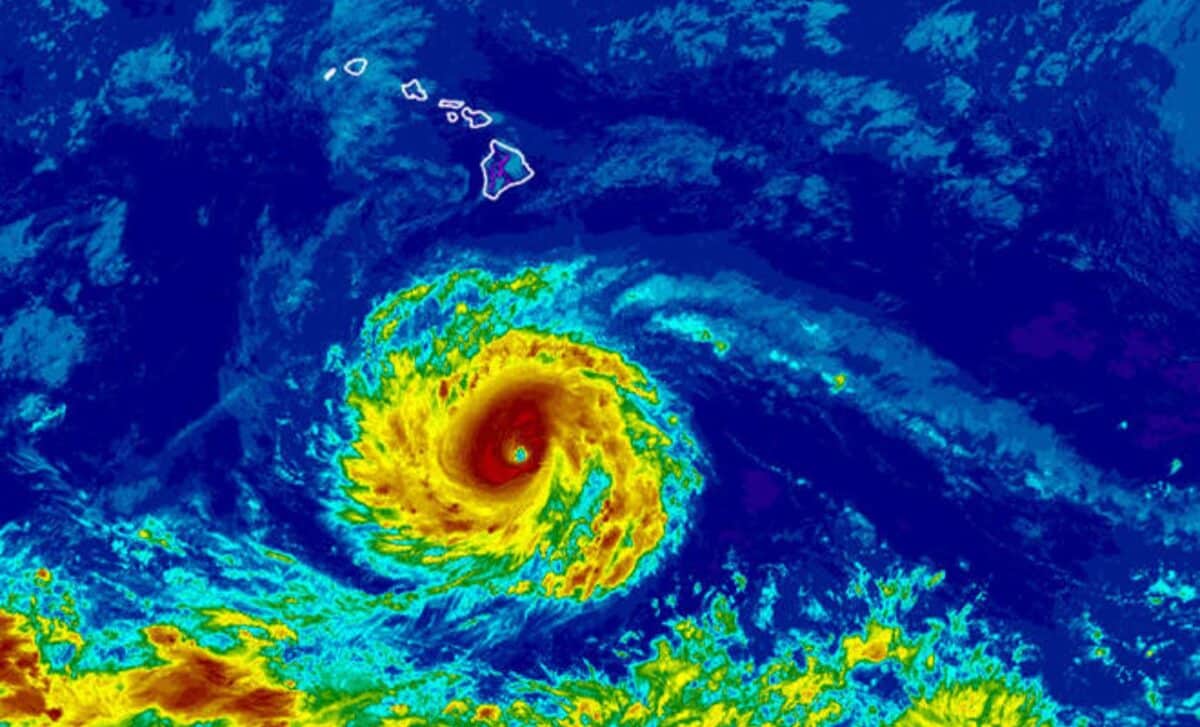
The storm is not forecast to make landfall in Hawaii, according to the National Hurricane Center (NHC). Its large circulation is still producing hazardous ocean conditions, strong winds in some areas, and dangerous surf along parts of the island chain.
Lowell Remains a Major Hurricane South of the Islands
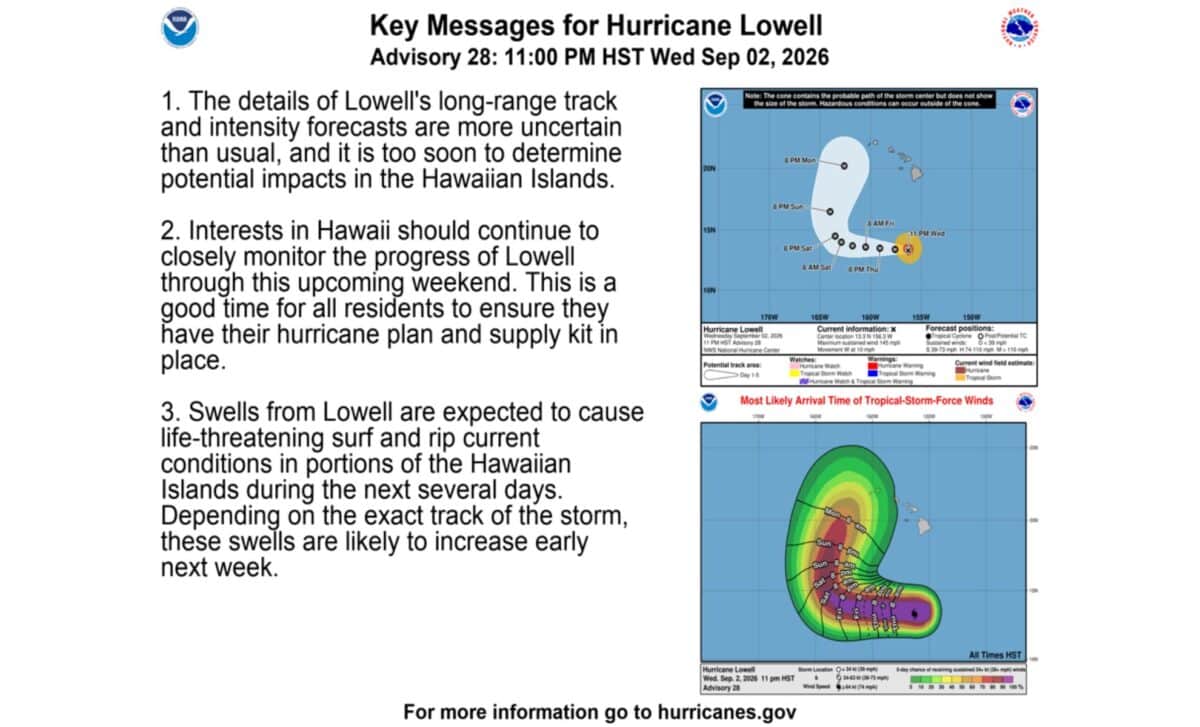
According to the Central Pacific Hurricane Center (CPHC), Hurricane Lowell was located about 450 miles south of Hilo late Wednesday, with maximum sustained winds of 145 mph. The storm was moving west at 10 mph, with hurricane-force winds extending up to 40 miles from the center and tropical-storm-force winds reaching up to 105 miles.
Earlier in the day, Lowell briefly reached Category 5 strength with maximum sustained winds of 160 mph before weakening. Forecasters said fluctuations in intensity were expected, while the system was projected to remain a major hurricane during the following days.
The CPHC said Lowell was expected to gradually slow down while continuing west before making a possible turn toward the north or north-northeast later in the forecast period. Forecasters noted that the details of that turn remained uncertain, with different model solutions showing a range of possible outcomes.
According to the NHC, there are currently no coastal watches or warnings in effect for Hawaii. Still, officials are urging people across the islands to continue following updates because the storm’s exact future movement could affect local conditions.
The main impacts already reaching Hawaii are related to ocean conditions. Swells generated by Lowell are spreading northward and are expected to bring dangerous surf and strong rip currents to parts of the islands over several days.
Hawaii Prepares for Winds, Surf and Possible Outages
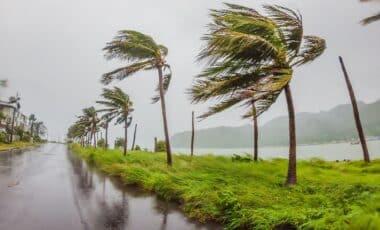
The National Weather Service office in Honolulu issued wind advisories for several areas, including parts of Maui County and the Big Island. Forecasters expected east winds between 25 and 35 mph, with gusts reaching up to 55 mph in some locations.
The weather service warned that these winds could damage roofs, break tree branches, affect outdoor structures and create difficult driving conditions for high-profile vehicles. Residents were also advised to prepare for possible power outages.
Utility companies across Hawaii have increased readiness efforts as Lowell approaches the region. According to reports, Hawaiian Electric said additional crews were already available, including workers from outside the state who remained in Hawaii after helping with previous storm response efforts.
On Kauai, the Kauai Island Utility Cooperative said past storms influenced current preparation plans. The cooperative referenced the rebuilding required after Hurricane Iniki in 1992 and said investments had been made to strengthen the power system.
The storm’s closest approach to the Hawaiian Islands is expected to remain offshore, but officials continue to stress preparation while forecasts are updated. The hurricane season in the Central Pacific runs from June 1 through November 30, with tropical cyclone activity typically increasing between July and October.