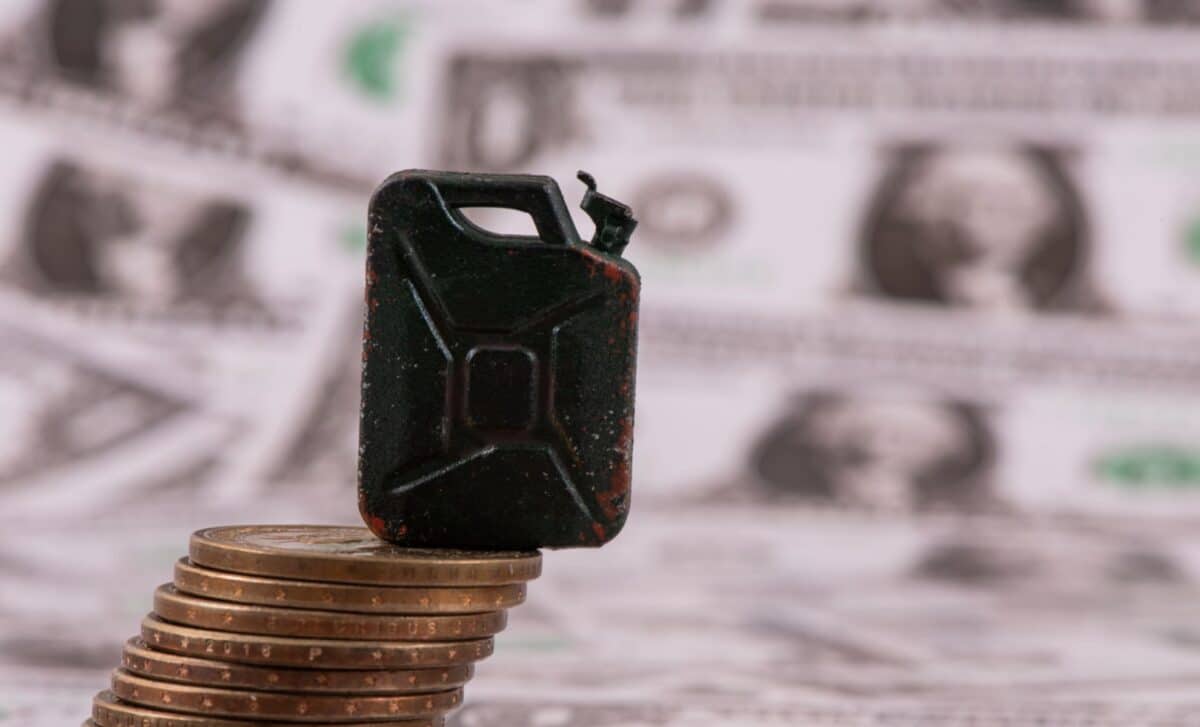
The price movement followed a surge in gasoline futures after President Donald Trump declared that the ceasefire with Iran was over. According to CNN, the renewed hostilities quickly affected fuel markets, raising concerns that elevated prices could persist if the conflict continues.
Gasoline prices had been falling steadily since the United States and Iran agreed to a Memorandum of Understanding in June, which temporarily eased tensions. During that period, the national average declined by more than 70 cents from its earlier peak. Even after those declines, fuel prices remain substantially above levels recorded before the conflict began, reflecting the continuing impact of geopolitical instability on energy markets.
Renewed Military Action Triggers Immediate Reaction in Fuel Markets
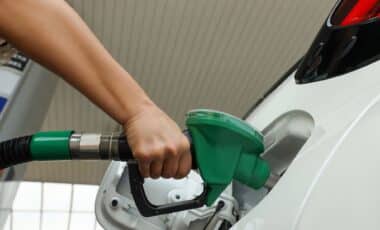
The average price of gasoline in the United States climbed to nearly $3.85 per gallon on Thursday after increasing by almost five cents in one day, according to AAA. CNN reported that this was the largest single-day increase since May 6.
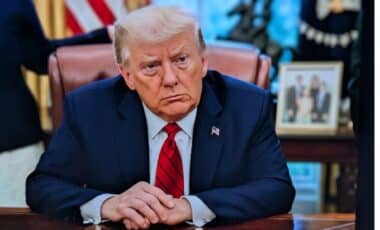
The market reaction followed U.S. military strikes on approximately 90 targets in Iran on Wednesday. President Donald Trump later stated that he considered the ceasefire between the United States and Iran to be over. Fuel markets responded rapidly. According to CNN, gasoline futures rose 6 percent on Wednesday following news of the attacks and continued to gain by about 1 percent on Thursday.
Oil prices also increased after the strikes, although the movement was more limited. Brent crude, the international benchmark, rose by 0.3 percent to just under $78 per barrel before falling the following day. U.S. crude prices gained 0.2 percent to just below $74 per barrel on Wednesday. The latest increase interrupted a sustained period of lower gasoline prices that followed the June Memorandum of Understanding between Washington and Tehran.
White House Highlights Discounted Fuel While Broader Prices Remain Elevated
As fuel prices have remained a concern for consumers, President Trump has urged gas station operators to lower prices at the pump. He has also publicly promoted Freedom Fuel, a private gas station chain operating mainly in and around the Philadelphia area.
According to CNN, Freedom Fuel has been selling gasoline for about $3.48 per gallon, a price below both the market and wholesale cost of fuel. On July 3, Trump wrote on Truth Social that the retailer was “taking the lead” and encouraged other stations to follow.
A White House spokesperson told CNN that the administration was not subsidizing the company and had provided no financial support. The spokesperson said the retailer was reducing its own profit margins to offer lower prices for drivers in Philadelphia and New Jersey. The report also noted that one Freedom Fuel location was selling gasoline at a higher price than it had charged before Trump returned to the White House.
Despite the decline in gasoline prices following the June agreement, the national average remains close to one dollar higher than before the conflict began. According to The Independent, Trump’s decision to continue military action against Iran could keep fuel prices elevated for the time being. The White House did not immediately comment on the latest developments after being contacted by the publication.