
American shoppers could face continued pressure at the grocery checkout this winter as higher fuel and energy costs work their way through the food supply chain.
Why Fuel Costs Could Push Food Prices Higher
The effect of fuel prices on groceries can take several months to appear. Bridget Readel, agriculture director for WDAY, said there can be a six- to nine-month lag between higher production and transportation costs and their effect on food prices.
That means costs incurred earlier in the year could still reach shoppers during the winter. Diesel is used across several stages of the food supply chain, from farm production and transportation to refrigerated storage.
Energy Costs Are Already Higher
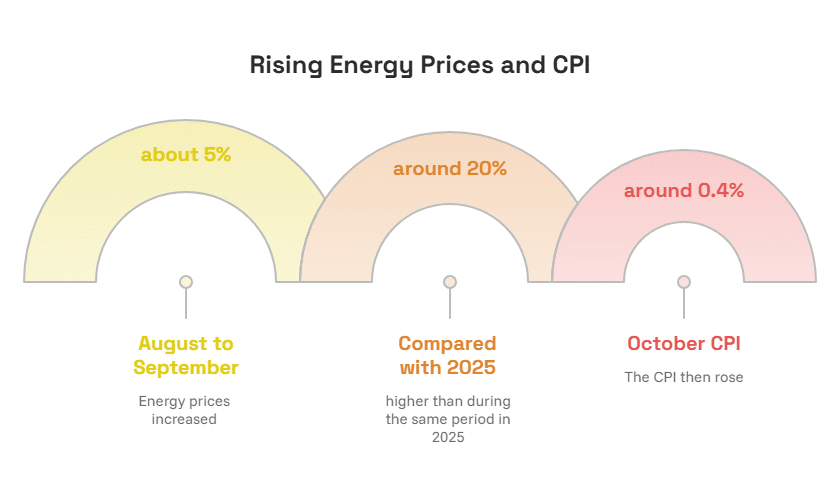
Recent inflation data shows that energy prices have been putting pressure on household budgets. The Consumer Price Index (CPI) rose around 3.7% in September, with gasoline among the contributors.
Energy prices increased by about 5% between August and September and were around 20% higher than during the same period in 2025. The CPI then rose around 0.4% in October, according to the U.S. Bureau of Labor Statistics.
The latest figures suggest that households are still dealing with higher costs even as the pace of overall price increases varies from month to month.
Imported Produce Could Add More Pressure
Trade relationships with Canada, Central America and Mexico could also affect food prices during the winter. Americans rely on imported produce for some fruits and vegetables, particularly when domestic growing conditions limit supplies.
Higher transportation and refrigeration costs can add to the expense of moving these products from farms and suppliers to supermarkets. Readel said these factors could push grocery prices higher during the coming months.
Shoppers Can Cut Their Grocery Bills
Consumers can take several steps to reduce their spending despite higher prices. Making a shopping list and sticking to it can help limit impulse purchases. Shopping when hungry can also lead to unplanned spending, making it easier to add products that were not originally needed.
Another way to reduce the bill is to compare store-brand products with national brands. A NetCredit study found that shoppers at retailers including Kroger, Target and Walmart could save as much as 75% by choosing store brands in some cases.
The savings will vary depending on the product and retailer.
What Shoppers Should Expect This Winter
Higher fuel and energy costs do not automatically mean every grocery item will become more expensive. Prices also depend on factors such as supply, demand, imports, production costs and retailer pricing.
The lag between costs and retail prices means some of the pressure from earlier fuel increases may still reach supermarket shelves during the winter. For households already watching their budgets, comparing prices, using shopping lists and considering store-brand products could help limit the effect of higher grocery costs.