
Many workers spend decades building retirement savings through a traditional 401(k), attracted by tax advantages and, in many cases, employer matching contributions. These plans remain one of the most widely used retirement savings vehicles in the United States.
Yet a large 401(k) balance can create challenges in retirement. According to reporting by The Motley Fool, retirees who rely exclusively on a traditional 401(k) may eventually be required to withdraw money whether they need it or not, potentially increasing their tax liability.
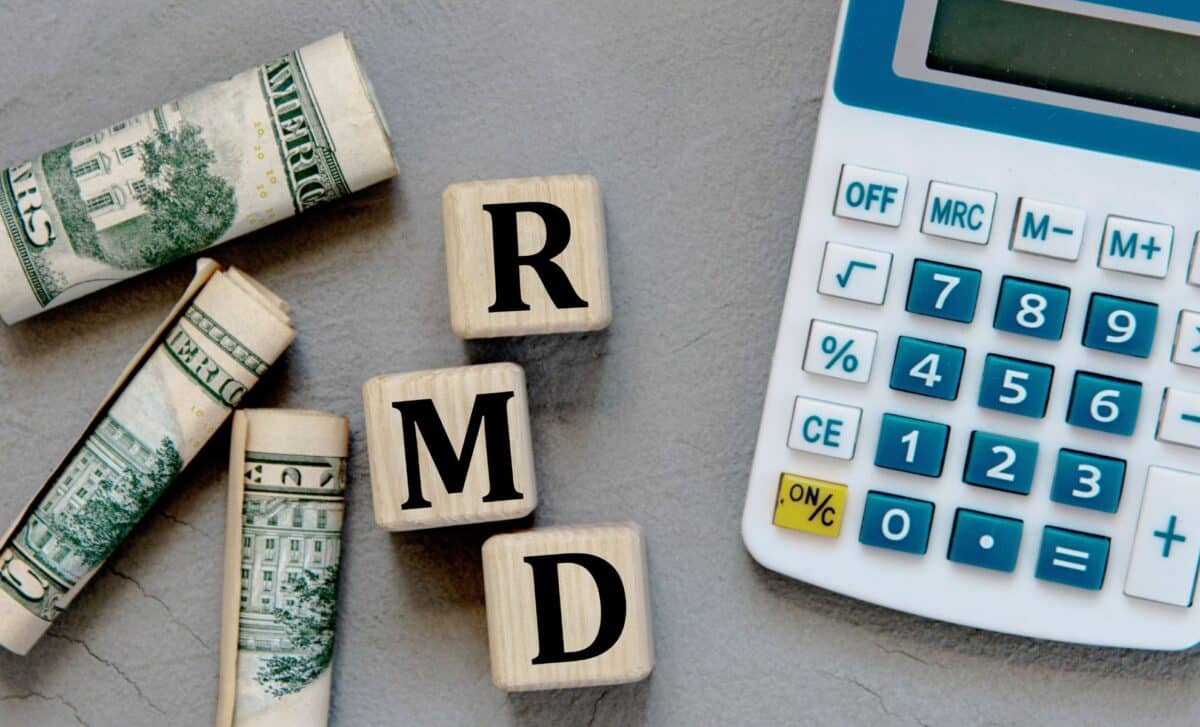
The issue centres on required minimum distributions (RMDs), which apply to traditional retirement accounts once account holders reach a specified age. While withdrawals are a normal part of retirement, mandatory distributions can have consequences that extend beyond the account itself.
Required Withdrawals Can Increase Taxable Income
According to the source, the main drawback of relying solely on a traditional 401(k) is the requirement to begin taking annual withdrawals at age 73 or 75, depending on an individual’s year of birth. These withdrawals, known as required minimum distributions, are calculated using life expectancy and the value of the retirement account.
The requirement applies regardless of whether the retiree actually needs the money. Failing to withdraw the required amount can result in a penalty of up to 25% of the amount that should have been taken out.
The withdrawals themselves are generally taxable because traditional 401(k) contributions are typically made with pre-tax income. As a result, RMDs can raise a retiree’s annual income and create additional tax obligations.
According to information provided by Fidelity, required minimum distributions are based on the value of eligible retirement accounts as of 31 December of the previous year and on life expectancy calculations established by the Internal Revenue Service. Fidelity also notes that traditional workplace retirement plans, including 401(k)s, are generally subject to these rules.
The impact may extend beyond ordinary income taxes. The Motley Fool reports that larger RMDs can increase income sufficiently to make Social Security benefits taxable or lead to higher Medicare premiums. Since required withdrawal percentages often rise with age, the tax impact may become more significant over time.
Financial Planners Often Point to Diversification Strategies
According to The Motley Fool, one strategy is a partial Roth conversion. This involves moving a portion of retirement savings into a Roth IRA and paying taxes on the converted amount at the time of the transfer. Future growth and qualified withdrawals from the Roth IRA can then be tax-free.
A key distinction is that Roth IRAs do not impose required minimum distributions on the original account holder. This can provide greater flexibility when managing retirement income.
Another option discussed in the report is contributing to a taxable brokerage account while continuing to save for retirement. Individuals may still choose to contribute enough to a 401(k) to receive the full employer match, while directing additional savings elsewhere.
According to Fidelity, 401(k) plans continue to offer significant advantages, including automated payroll contributions, potential employer contributions and tax benefits. The concern raised in the report is not the value of the accounts themselves, but the concentration of retirement assets in a single account type that carries mandatory withdrawal requirements.
For retirees with substantial traditional 401(k) balances, the timing and tax treatment of future withdrawals may become an important part of retirement planning. The source suggests that considering additional account types before retirement can provide more control over income later in life.