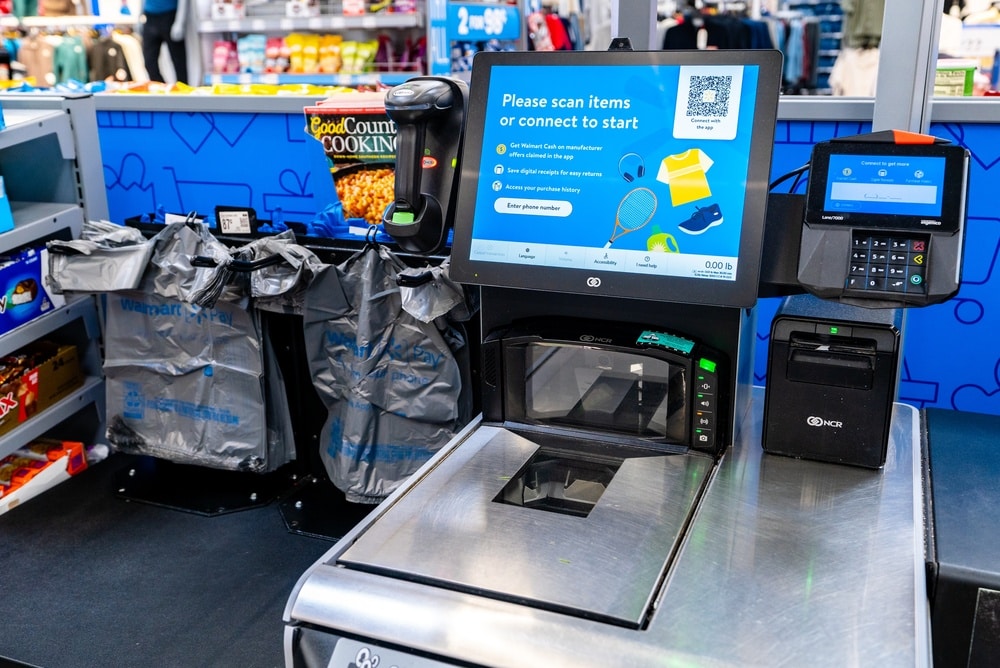
In what could be a significant change for shoppers, Walmart and other major retailers in Connecticut are set to face new self-checkout limits beginning this October. This move comes as lawmakers in several states look to regulate the growing use of self-service kiosks amid concerns over shoplifting and customer complaints.
What Do the New Rules Mean for Walmart Shoppers?
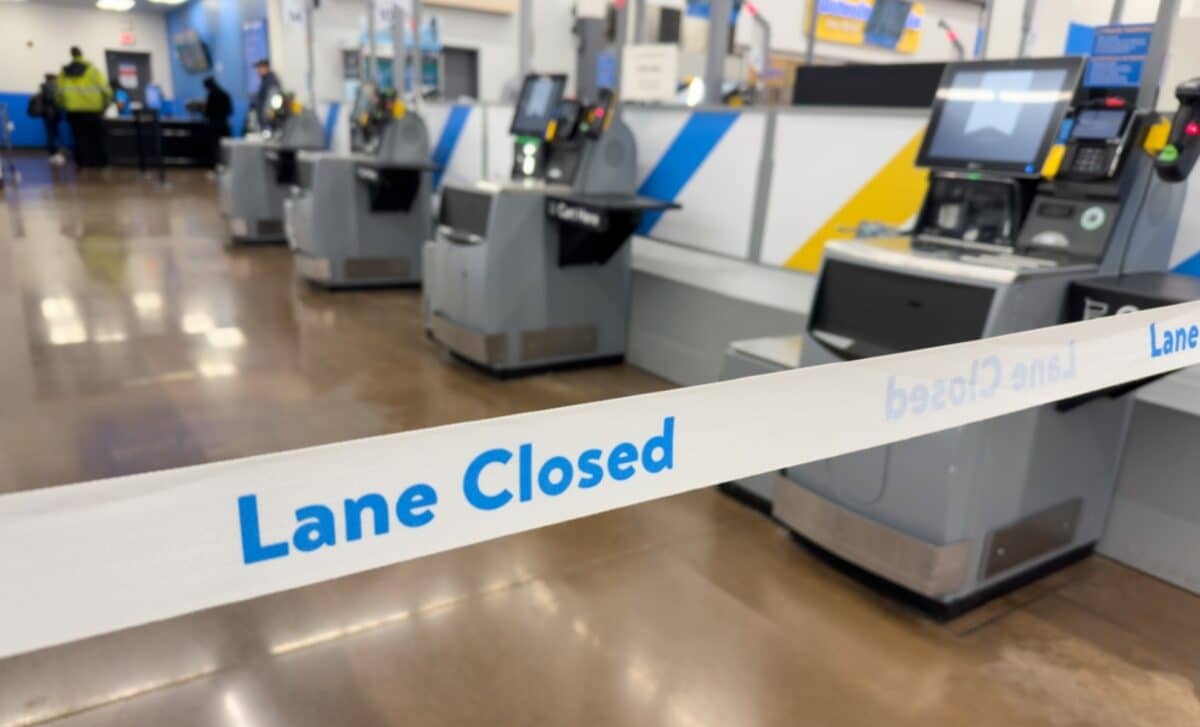
Under Senate Bill 438, which is currently under review in Connecticut, grocery stores like Walmart and Target could soon be required to adopt stricter rules when it comes to self-checkout stations. The new rules will limit the number of self-service lanes in operation, requiring one traditional checkout for every two self-service kiosks. Stores would also need to assign one worker per pair of machines to assist customers.
Perhaps the most significant change will be the cap on the number of self-checkout lanes allowed in operation at any given time, with the law setting a limit of eight self-checkout stations. This legislation is expected to take effect on October 1, 2026, and will likely impact how consumers shop at some of their favorite grocery stores in the state.
Why Is This Happening?
The move to limit the use of self-checkout has been prompted by rising concerns over shoplifting and automation-related problems, reports The Sun. Critics of self-checkout have pointed out that the technology makes it easier for customers to steal, as it requires minimal staff intervention. With the rise in theft, stores have been pushing back on the use of self-checkout in favor of more staffed checkouts to prevent losses.
However, the issue isn’t just about theft. Customer frustration has also been a driving factor. Ed Hawthorne, president of the Connecticut AFL-CIO, testified that self-checkout can be confusing and frustrating for certain shoppers, especially seniors, individuals with disabilities, and those using SNAP or WIC benefits. For these groups, navigating through the automated checkout process can be a challenge, and many feel the technology is not user-friendly.
What Are the Pros and Cons?
Supporters of the bill argue that the changes will offer benefits to shoppers who struggle with the current system. Seniors and families with large orders will likely appreciate the increased human assistance, making their shopping experience easier. Customer advocates also argue that the legislation would make grocery shopping more accessible for everyone, particularly those who rely on benefits such as SNAP or WIC.
On the other hand, critics of the bill warn that limiting automation could increase costs for stores, which may be passed down to consumers. Retailers would need to hire more staff to monitor the traditional checkout lanes and assist customers, raising operational expenses. Some retailers may also find the limitations restrictive, especially those who rely on self-checkout to reduce labor costs.
For some, like a resident with a disability, self-checkout kiosks are an essential tool for maintaining independence during shopping trips. If the bill becomes law, they argue that it will disproportionately harm people who rely on the technology for self-service and greater autonomy in their daily lives.
Similar Legislation and Trends
This proposed legislation is not an isolated case. Several other states, including Massachusetts and Rhode Island, have proposed similar bills aimed at restricting or limiting the use of self-service kiosks in stores. Long Beach, California, has already implemented similar restrictions, requiring at least one staffed checkout lane for every three self-checkout stations. Some retailers in Long Beach have responded by removing self-checkout entirely, citing the new regulations as an operational challenge.
While Connecticut may soon be one of the first states to implement such strict rules, other local jurisdictions could follow suit in the coming years if the bill proves successful.