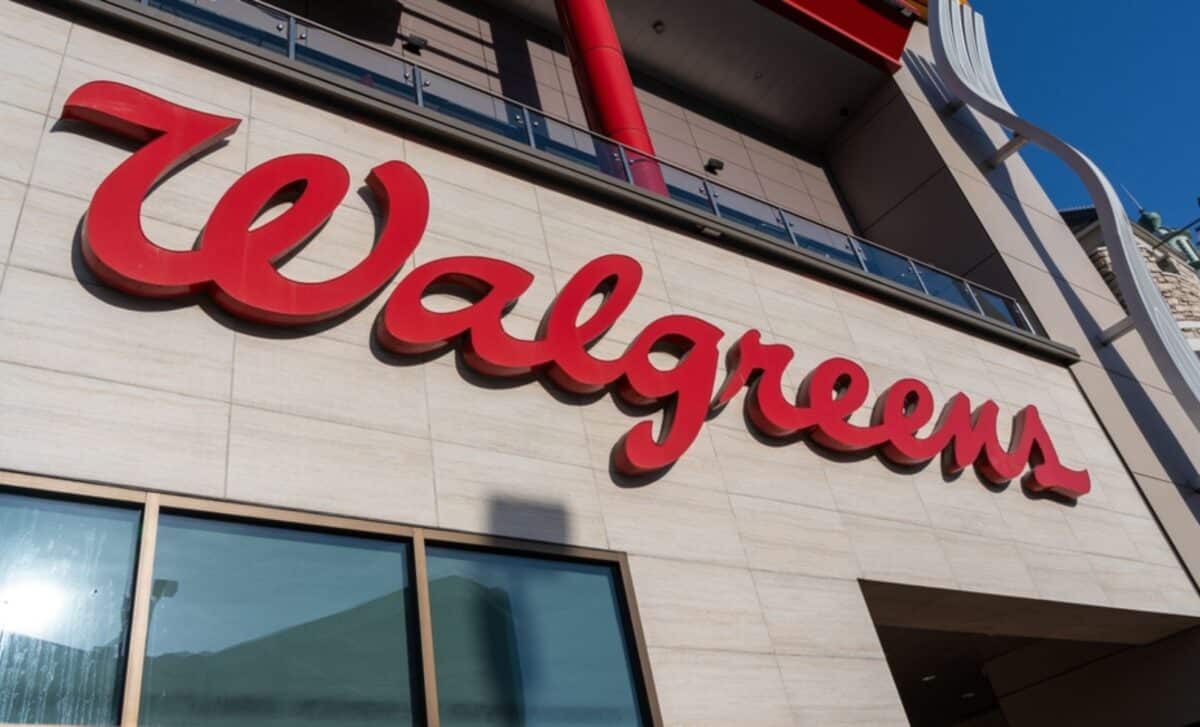
Across the United States, the disappearance of some Walgreens stores is changing the look of local shopping areas. The pharmacy giant is adjusting its presence as the industry faces a period of transformation, with retailers reconsidering the size of their physical networks.
A Smaller Walgreens Network After a Major Ownership Change
Around 12 Walgreens locations are scheduled to close or have already shut down by the end of 2026, according to company information and local reports. The latest wave affects stores in several states and Washington DC, adding to hundreds of previous closures announced in recent years.
The changes come after a difficult period for pharmacy retailers across the United States. Large chains have been reviewing their store networks as customers change the way they buy medicines, shop for health products and interact with local pharmacies.
Before its acquisition, Walgreens Boots Alliance announced plans to close around 1,200 underperforming stores as part of a wider turnaround program. The company said the move was linked to cost reductions, profitability goals and changing consumer behavior.
The situation changed after Sycamore Partners completed its purchase of Walgreens Boots Alliance in August 2025. The acquisition took the company private after almost a century on public markets. The group was then divided into five separate businesses: Walgreens, The Boots Group, Shields Health Solutions, CareCentrix and VillageMD.
Reports from US media outlets indicate that the new ownership has slowed the pace of planned shutdowns, with fewer closures announced for 2026 than first expected.
Communities Across the US Affected by Store Shutdowns
The latest closures are spread across different regions, showing that the changes are not limited to one market.
In Illinois, three stores are concerned, with locations in Chicago and Rockford scheduled to close. In Missouri, Walgreens stores in St. Louis and Bridgeton are also leaving local communities.
Other locations affected by the reductions are spread across the country:
| State or Territory | Location | Situation |
|---|---|---|
| Illinois | Chicago, Rockford | Store closures announced |
| Missouri | St. Louis, Bridgeton | Store closures announced |
| New Jersey | Bogota | Closed in August |
| New York | Brooklyn area | Closure reported |
| South Carolina | Beaufort | Closed in August |
| Virginia | Arlington | Closure reported |
| Washington State | Seattle | Closure reported |
| Wisconsin | Milwaukee | Closure reported |
| Washington DC | Connecticut Avenue | Closed earlier in 2026 |
| Texas | Houston distribution center | Workforce reduction reported |
For local residents, the disappearance of a neighborhood pharmacy can be more than a simple retail change. These stores have traditionally served as convenient points for prescriptions, health products and everyday purchases. When one closes, customers may need to adjust where they receive these services.
The Pharmacy Sector Faces a Period of Transition
Walgreens’ decisions reflect broader changes across the American pharmacy market. Retailers are dealing with higher operating costs, new shopping habits and growing competition from digital services.
Other pharmacy chains have also reduced their number of locations in recent years. The traditional model of a pharmacy on nearly every street corner is being reviewed as companies search for a business model that fits current demand.
The transformation is also affecting logistics. In Houston, Texas, a Walgreens distribution center has been linked to workforce reductions, showing that changes are not limited to customer-facing stores.
Still, the future of physical pharmacies remains part of the wider healthcare landscape. Many communities continue to rely on local stores, especially for prescription services and personal contact with pharmacy staff.
Former Walgreens Stores Are Finding New Purposes
Closed Walgreens buildings are not always left empty for long. Some properties are being converted into new retail spaces or community facilities. In San Antonio, Texas, a former Walgreens location is being transformed into a Goodwill store covering around 13,000 square feet.
These changes show how commercial spaces can find new life after major retailers leave. In some areas, former pharmacy locations are becoming part of a different local retail environment.
Walgreens’ restructuring reflects a broader shift in American commerce. The company is reducing the size of its network while the pharmacy sector adapts to a market that looks very different from a decade ago.