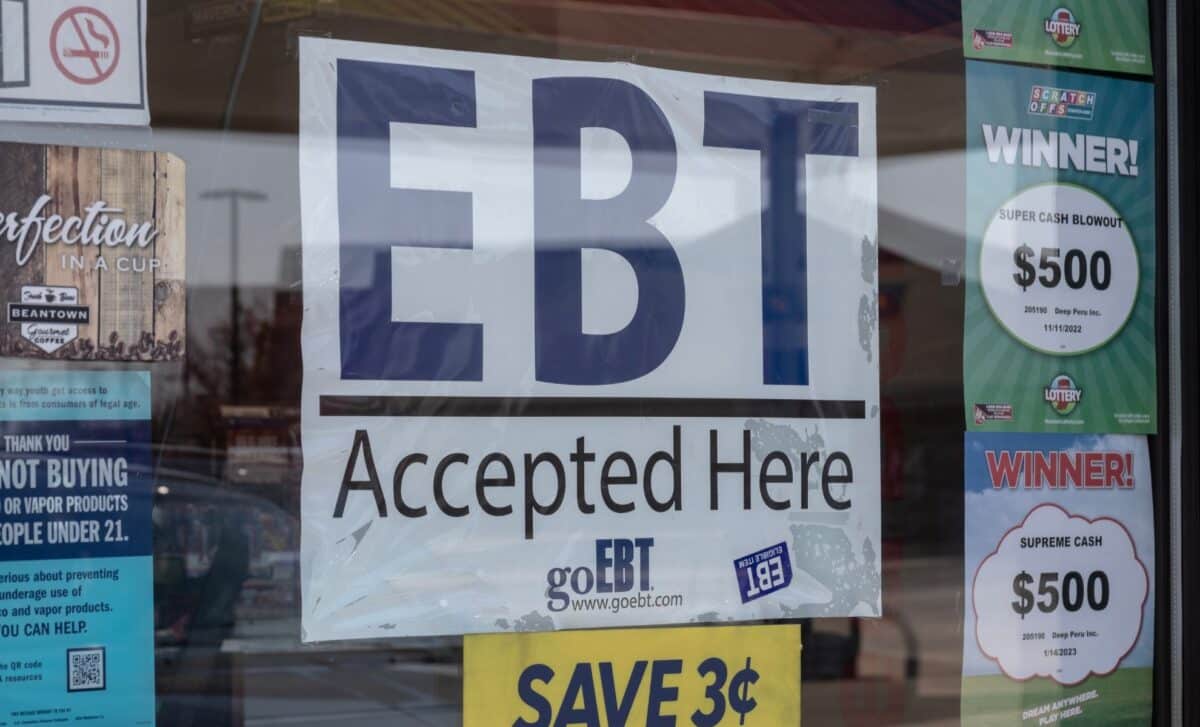
The restrictions are part of the Trump administration’s effort to limit purchases of certain foods and beverages through the federal assistance program. While officials argue the measures support healthier diets, advocacy groups have raised concerns about their impact on low-income households and access to affordable food.
Four States Introduce New SNAP Food Restrictions Despite Legal Challenges
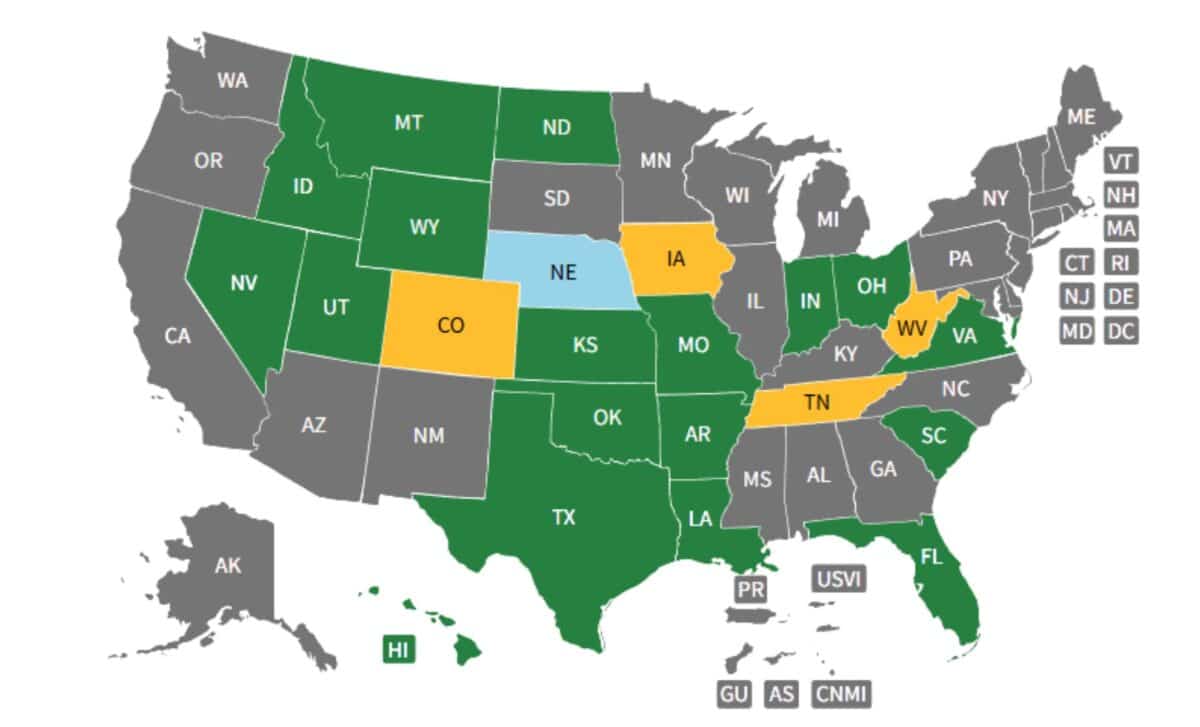
Montana, North Dakota, South Carolina and Virginia began enforcing new SNAP purchasing restrictions on November 1, targeting products ranging from candy to sweetened beverages.
According to the U.S. Department of Agriculture (USDA), Montana prohibits purchases of high-sugar beverages, energy drinks, candy and prepared desserts. North Dakota restricts sweetened beverages, energy drinks and candy, while South Carolina excludes candy, energy drinks, soft drinks and other sweetened beverages.
Virginia has adopted a narrower restriction, preventing SNAP recipients from purchasing sweetened beverages with their benefits.
The changes followed a June 22 ruling by a U.S. district court in Washington, D.C., which invalidated federal approvals for similar restrictions in Colorado, Iowa, Nebraska, Tennessee and West Virginia.
The court determined that the USDA had exceeded its legal authority by approving the waivers without meeting federal notice requirements for several demonstration projects.
The decision affected those five states and temporarily delayed implementation in Montana, North Dakota, South Carolina and Virginia.
As reported by Newsweek, the restrictions ultimately took effect in the four states despite the earlier legal challenges.
SNAP operates nationwide and is largely federally funded, but individual states administer the program. States seeking to modify eligible purchases must obtain federal authorization through waivers.
More States Prepare SNAP Restrictions As Debate Over Food Access Continues
Eight states had already implemented restrictions before November 1, beginning with Indiana and Utah on January 1, 2026. Idaho and Oklahoma followed on February 15, Louisiana on February 18, Texas on April 1, Florida on April 20 and Arkansas on July 1.
The prohibited products vary by state. Indiana excludes soft drinks and candy, while Utah focuses on soft drinks. Arkansas restricts soda, energy drinks, candy and certain fruit and vegetable drinks containing less than 50 percent natural juice.
According to the USDA’s November 3 update, six additional states have implementation dates in 2027 or later: Wyoming, Kansas, Missouri, Hawaii, Ohio and Nevada.
Wyoming’s restrictions are scheduled for February 1, 2027, followed by Kansas and Missouri on February 15. Hawaii and Ohio are scheduled for April 1, while Nevada’s restrictions are set for February 1, 2028.
Nebraska has also outlined restrictions beginning December 1, 2026, with additional limits on candy scheduled for March 1, 2027, although its waiver approval was invalidated by the court.
The policy remains disputed. Agriculture Secretary Brooke Rollins has argued that taxpayer-funded food assistance should support healthier diets rather than purchases associated with obesity and diabetes.
Advocates counter that the restrictions place additional limits on households already facing constrained food choices. Health policy expert Kavelle Christie told Newsweek that families in rural communities and food deserts may have limited access to affordable fresh produce and healthier meals.
The disagreement centers on whether restricting eligible purchases improves nutrition or further limits the options available to households relying on federal food assistance.