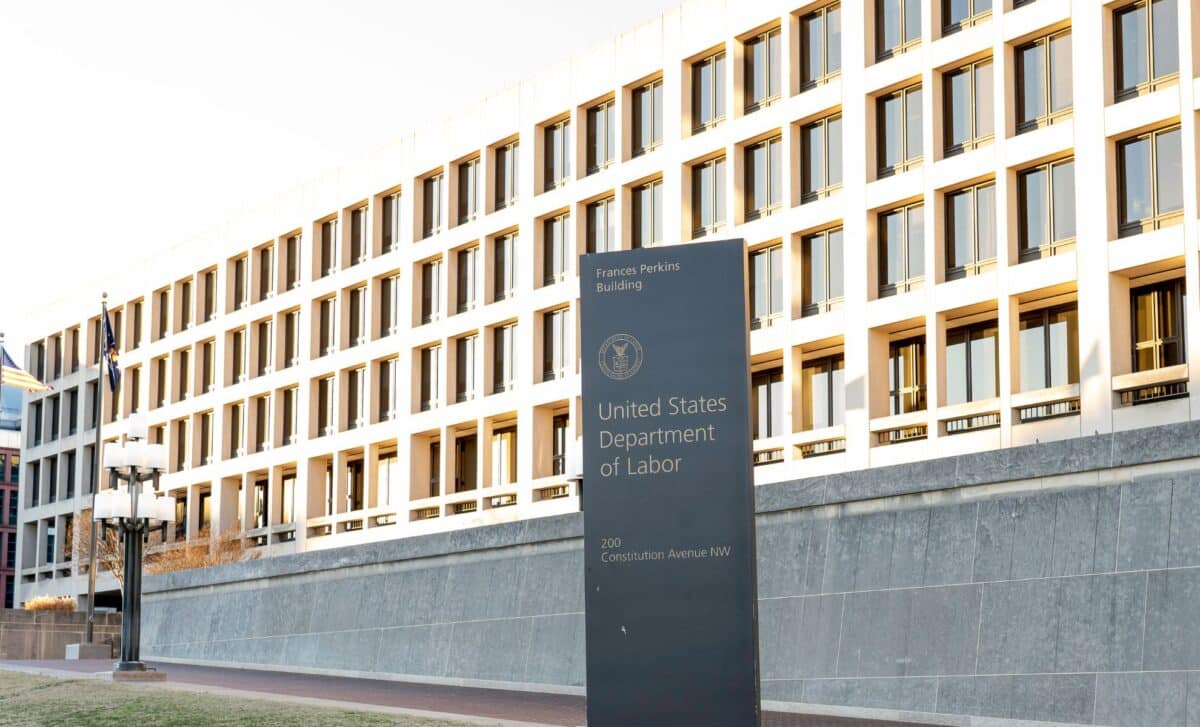
The United States has put forward a proposal to raise the minimum wages paid to workers hired under the H-1B visa program by roughly 30 percent over the limits currently in place. According to the Department of Labor, the change is meant to stop foreign hires from being paid less than similarly qualified American workers, a gap officials say has persisted for years under the existing rules.
The proposal touches four separate wage tiers, stretching from entry-level positions to the most experienced workers in a given field. The Department of Labor argues that the wage levels now in use were set two decades ago and no longer reflect what workers actually earn, leaving room for employers to underpay foreign staff relative to their American counterparts.
Wage Levels Set to Rise Across the Board
Under the new rule, entry-level prevailing wages would climb to 97,746 dollars, which the Department of Labor describes as a 33.39 percent increase over the previous figure. The proposal does not stop there. It also raises wages for the three higher tiers, covering workers with more experience and more specialized skills, though the entry-level jump is the steepest of the four.
These prevailing wages are not uniform nationwide. As the Department of Labor notes, the figures differ from city to city, meaning the exact dollar amount an employer must pay depends on where the job is located. The rule would apply not just to the H-1B program itself but to several related categories, including H-1B1, E-3, and PERM labor certification cases, according to the proposal.
The reasoning behind the changes centers on a specific complaint from federal officials. The current methodology, according to the Department of Labor, allows employers to hire foreign workers at wage levels significantly below those paid to similarly employed US nationals. That, officials contend, undercuts the wages of American employees in the same roles.
A Comment Period Marked by Division
The proposed rule opened for public comment, with the window set to close on May 26. During that stretch, the response has been far from uniform. Some commenters have voiced strong support for the wage increases, framing them as overdue protection for American workers. Others have pushed back just as forcefully.
Much of the opposition centers on smaller companies. Critics argue that these firms may struggle to hire entry-level foreign workers once the higher prevailing wages take effect, since the increased cost could put fresh hires out of reach for businesses operating on tighter budgets. That tension between protecting domestic wages and preserving hiring flexibility for smaller employers has shaped much of the debate so far.
Once the comment period ends, the Department of Labor will review the submissions before deciding on a final rule. No date has been given for when that review will conclude or when the final version of the rule might take effect. For now, the wage figures remain proposals, not settled policy, and employers across the H-1B, H-1B1, E-3, and PERM programs are left waiting to see which of the proposed numbers survive the process.