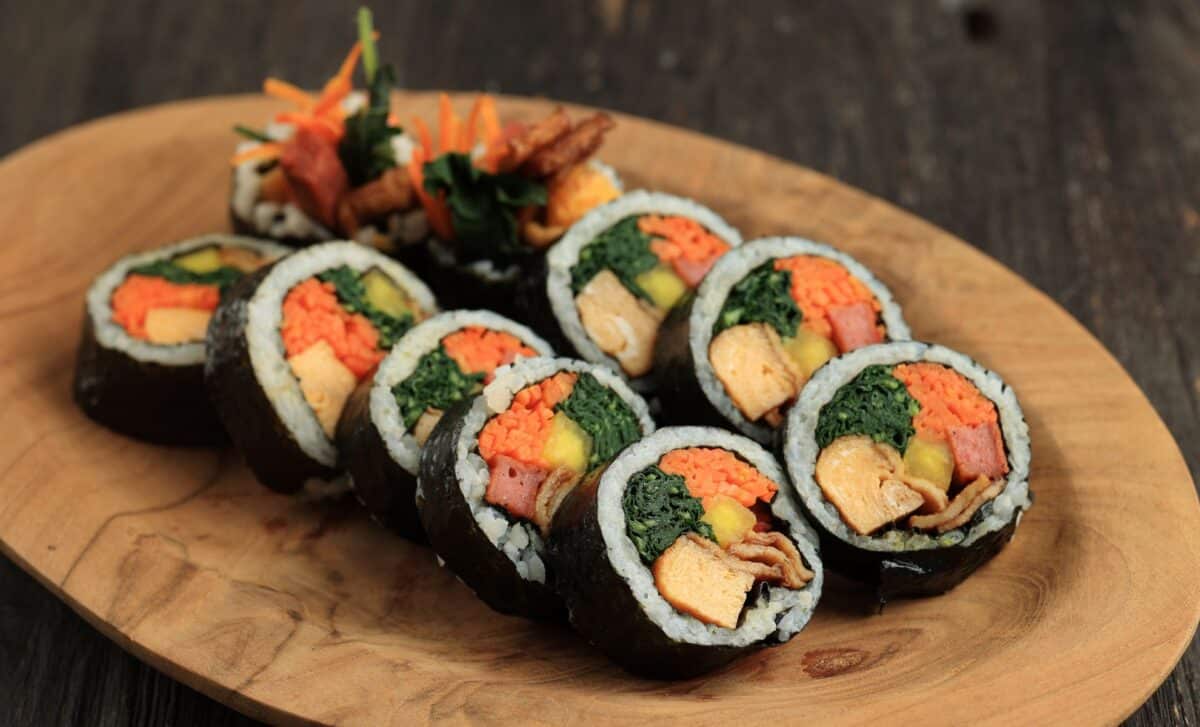
The affected sushi rolls were distributed in Florida, Virginia, Illinois, Nebraska, Minnesota, Indiana, Louisiana, and Oklahoma, with expiration dates ranging from October 30 to November 1. These types of food recalls are often due to either cross-contamination or mistakes in labelling, which could have serious implications, especially for individuals with food allergies.
Missing Allergen Information Poses Risk to Consumers
The recall specifically concerns Mai California Roll White Rice sushi rolls, which were sold in 5.9-ounce plastic trays with UPC code 840031402639. According to the FDA, the sushi rolls contained undeclared wheat and soy, two allergens that should have been identified on the product label.
The recall has sparked concern as both wheat and soy are among the nine major allergens the FDA mandates companies to clearly disclose on packaging. Failure to label these allergens can result in life-threatening reactions for sensitive individuals, particularly those at risk of anaphylaxis, a severe allergic response that can cause swelling of the airways, difficulty breathing, and even death if untreated. Although no injuries have been reported thus far, the urgency of the recall highlights the importance of vigilance in the food industry.
Personal injury attorney Mike Agruss noted that such recalls are often the result of human error or manufacturing oversights. “When a recall involves an allergen, it may only pose a risk to those individuals with these allergies,” he explained. “However, since the impact could cause immediate and life-threatening responses, such as anaphylaxis, the outcome could be tragic.”
The Broader Impact of Allergen Mislabeling
Allergen mislabeling is an issue that extends far beyond this specific recall. It’s a problem that affects millions of people worldwide who are susceptible to severe food allergies. According to the Mayo Clinic, the symptoms of anaphylaxis can develop within minutes of exposure to an allergen, making immediate treatment essential.
The FDA has strict regulations in place to ensure that food manufacturers are transparent about the ingredients in their products. Wheat, soy, milk, eggs, fish, shellfish, tree nuts, peanuts, and sesame are all required to be disclosed clearly on product labels. The presence of undeclared allergens can lead to serious health risks, especially in cases where cross-contamination occurs during production.
This recall comes shortly after another high-profile allergen-related incident involving Taco Dinner Kits, which were recalled by Teasdale Foods last month. That recall, which impacted 28 states, was triggered by the inclusion of milk in the taco seasoning packets, which were mistakenly labelled as milk-free. Such incidents underscore the persistent challenges food manufacturers face in ensuring that their products are accurately labelled, and the potential for harm when these standards are not met.