The latest figures illustrate how expensive summer cooling has become. According to the National Energy Assistance Directors Association (NEADA), the average U.S. household is expected to spend $792 on electricity for cooling between June and September 2026, as higher utility prices coincide with hotter weather.
That projected total is 10.5% higher than the $717 average recorded in 2025 and 40% above the level seen in 2020. According to NEADA, the increase reflects a combination of rising electricity prices and progressively hotter summers, both of which are pushing cooling costs higher.
“Families are getting hit from both sides,” NEADA executive director Mark Wolfe said in a statement. “Electricity prices continue to rise, and hotter summers mean households need to use more electricity simply to stay safe.” He added that Americans are paying substantially more to cool their homes than they were only a few years ago.
A New York Renter Reports Lower Bills After Installing Blackout Curtains
The impact of extreme heat has been particularly noticeable in New York City. According to an Every Electric analysis, more than 75% of households in the city turned on their air conditioning during the Fourth of July weekend as temperatures climbed.
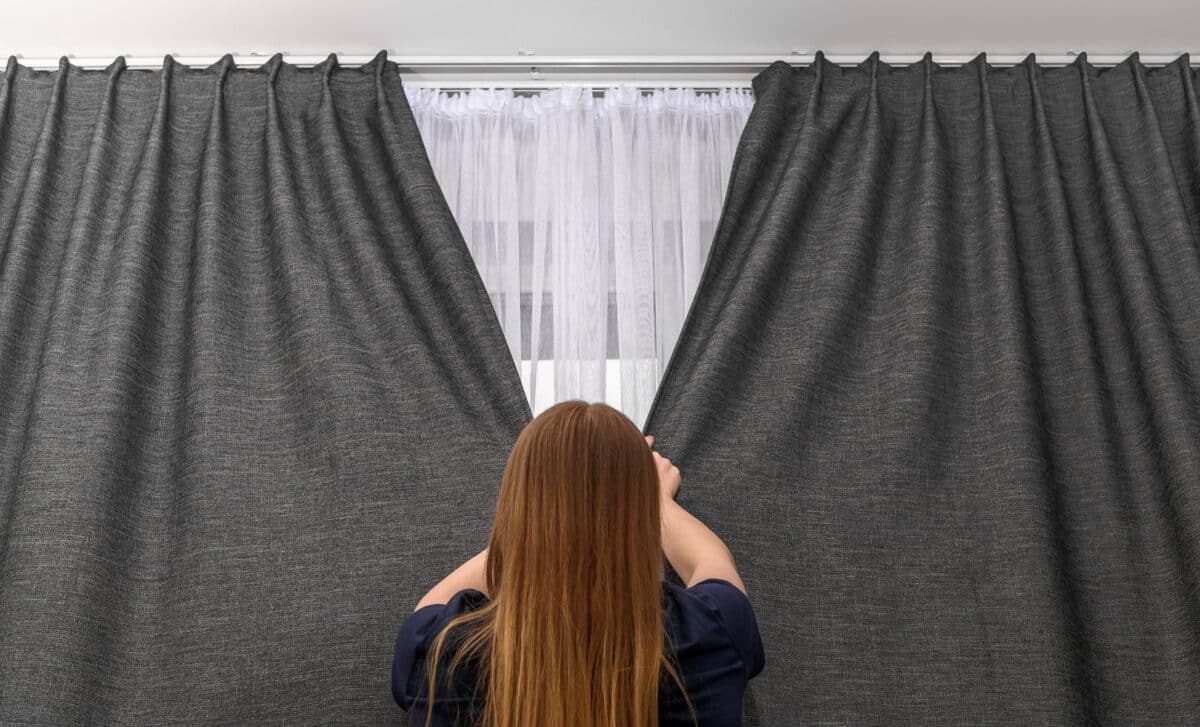
Tyler Crull, who lives with his fiancée in a sixth-floor, two-bedroom apartment in Astoria, said they decided to install blackout curtains across their wall-to-wall windows because the apartment receives direct sunlight from morning until evening.
“The sun rises and blasts it with sun, and then it sets and blasts it with sun from the other corner,” Crull told The City Reporter. “Even if I leave the AC off in the room, it’s like 74 degrees, tops. Throughout the day, it’s nothing.”
Crull said the change reduced his monthly Con Edison bill to $250 from $310, a savings of about $60 in a single month.
Government Data and Estimates Point To Lower Indoor Heat
The experience described by Crull aligns with broader estimates on the impact of blackout curtains. According to the U.S. Department of Energy, up to 76% of the sunlight that reaches windows is converted into heat inside a home. The agency also estimates that blackout curtains can reduce room heat by as much as 33%.
Other estimates cited by The U.S. Sun indicate that blackout curtains can reduce cooling costs by between 5% and 15%. Depending on window size, local climate and electricity rates, that represents annual savings ranging from $25 to $150.
Utility Costs Continue To Weigh on American Households
Higher cooling expenses are part of a wider increase in household utility costs. According to PowerLines, 64% of Americans who pay monthly electricity and gas bills say those bills have increased compared with a year earlier.
The survey also found that 63% of respondents say utility bills are contributing to their financial stress, while 48% view rising electricity and gas costs as a negative sign for the economy.
PowerLines reported that 60% of Americans are not familiar with the state or local regulatory body that determines their utility bills. In a separate open-ended question, around nine in ten respondents were unable to correctly name their own regulatory body.