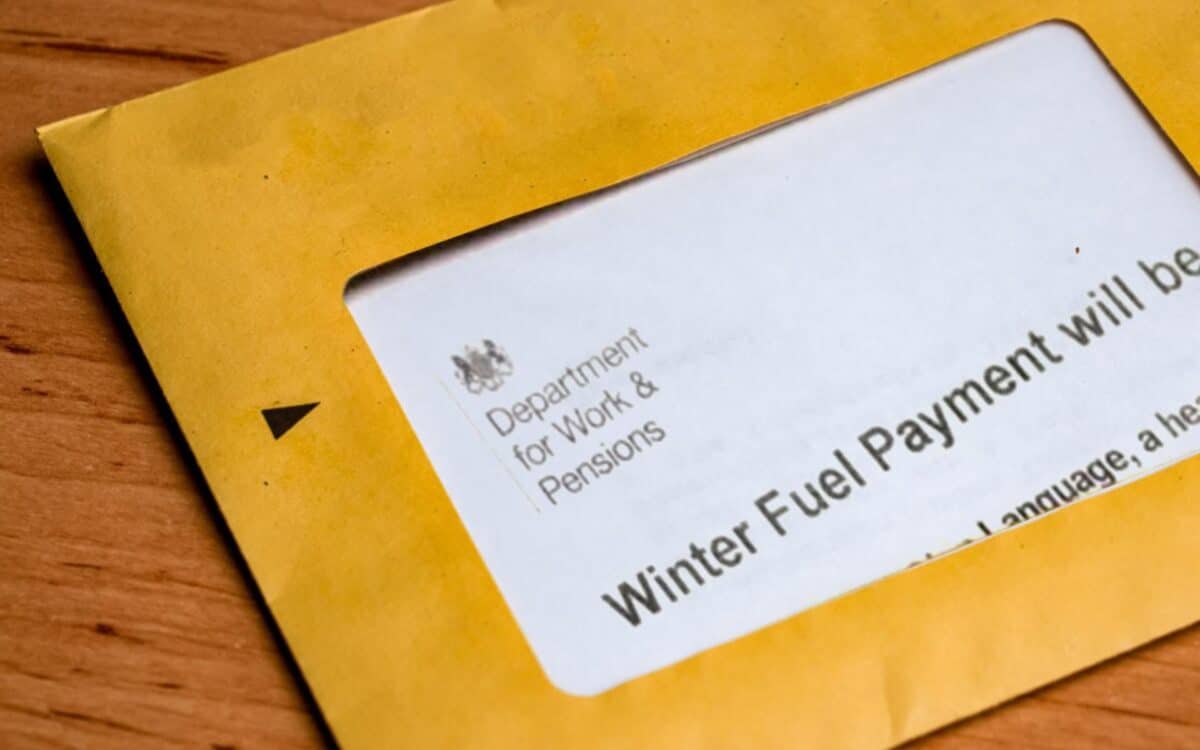
Millions of pensioners across England and Wales are set to receive financial support to help cover rising heating costs this winter, after the government confirmed the details of the Winter Fuel Payment for 2026–2027. The payment, worth between £100 and £300, will begin rolling out later in the year, with eligibility determined mainly by a person’s age and circumstances during a specific qualifying period.
The announcement from the Department for Work and Pensions (DWP) provides clarity for older households planning their winter budgets, especially as energy costs remain a major concern. While the payment will reach a large number of pensioners automatically, the rules also introduce a significant condition for higher earners that could see some people required to repay the support through the tax system.
Who Qualifies For The 2026 Winter Fuel Payment
Eligibility for the Winter Fuel Payment is primarily determined by age and place of residence. According to the government, pensioners who meet the birth-date requirement and live in England or Wales during the qualifying period may receive the payment automatically later this year.
The DWP said:
“If you were born before 28 June, 1960 you could get between £100 and £300 to help you pay your heating bills for winter 2026 to 2027. This is known as a ‘Winter Fuel Payment’.
“You can get a Winter Fuel Payment if you were born on or before 27 June, 1960 and live in England or Wales.”
This support is designed to help older households cope with seasonal energy costs, which typically rise sharply during the colder months. The amount each household receives depends on factors such as age and living arrangements. In most cases, the payment is made automatically to eligible people who already receive the State Pension or other qualifying benefits, meaning they usually do not need to submit a separate claim.
Despite its wide reach, some individuals will not qualify. People who live outside England and Wales, those who spent the entire qualifying week in hospital receiving free treatment, prisoners, or individuals whose immigration status restricts access to public funds are not eligible. For the majority of pensioners who meet the criteria, though, the payment will appear automatically in their bank account once the winter payment schedule begins.
The Key Week That Determines Your Payment
While the age requirement is clear, the government also relies on a specific “qualifying week” to determine whether someone receives the payment and how much they may receive.
The DWP explains:
“The amount you get is based on when you were born and your circumstances between 21 to 27 September, 2026. This is called the ‘qualifying week’.
“Any money you get will not affect your other benefits.”
During this week, authorities review factors such as household arrangements and benefit status to determine eligibility and payment levels. For example, pensioners living alone may receive a different amount compared with those living with another eligible person.
Payments are scheduled to begin from October 2026, with most recipients receiving a notification letter in October or November explaining how much they will get. These letters are intended to confirm eligibility and provide reassurance that the payment will arrive automatically, reducing the need for pensioners to contact government offices.
Information about the payment was widely reported by Express.co.uk, which highlighted the confirmed eligibility dates and payment schedule as the government prepares the scheme for the coming winter.
The £35,000 Income Rule That Could Trigger Repayment
Although the Winter Fuel Payment is broadly available to eligible pensioners, a notable rule affects individuals with higher annual incomes. Under current government policy, those whose income exceeds a certain threshold may still receive the payment initially but will later have it reclaimed through the tax system.
The DWP adds:
“If your income is over £35,000. HMRC will take your Winter Fuel Payment back by either: changing your tax code; adding the amount to your Self Assessment tax return.”
This means that pensioners with higher taxable income may effectively lose the benefit once tax adjustments are applied. The rule has been introduced as a way of focusing support on households with lower incomes while still keeping the payment system largely automatic.
In practice, the arrangement means that many pensioners will still receive the payment in the same way as before, but those with income above the threshold could see the equivalent amount reclaimed later through HM Revenue and Customs (HMRC).
Payments Set To Begin In Autumn 2026
The final payments from the previous winter cycle were completed earlier this year, marking the end of the 2025–2026 Winter Fuel Payment period. Attention now shifts to the next round of payments scheduled for autumn 2026.
For eligible pensioners, the process should remain straightforward. Most recipients will receive a letter confirming the payment amount before the money arrives in their account. Because the benefit is usually paid automatically, individuals are generally advised to be cautious of scams or unofficial websites claiming to process applications.
As winter approaches, the confirmed payment levels and eligibility rules offer greater clarity for pensioners preparing for higher heating costs. With support ranging from £100 to £300, the scheme continues to form a central part of the government’s winter support system for older households across England and Wales.