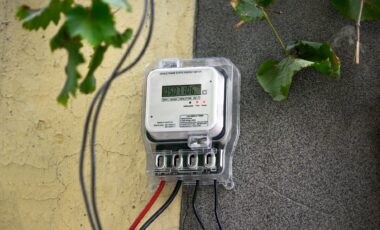

Unpaid customer debt is increasingly being reflected in energy charges, according to the supplier. The warning comes as Ofgem prepares to announce its next price cap update. The company argues that rising arrears are creating additional pressure across the energy system, while charities and campaigners maintain that affordability, rather than unwillingness to pay, remains the underlying issue.
According to EDF, debt-related costs already account for around £60 of the typical annual household energy bill. The supplier said that if total household energy debt reaches £7bn, that figure could increase by a further £10 to £15 per year.
EDF Links Rising Customer Costs to Growing Household Energy Debt
EDF, which supplies electricity to around five million customers in Britain, said household energy debt is becoming increasingly difficult to manage and warned that the total could reach £7bn next year.
The company said current regulations allow suppliers to recover part of the cost of unpaid bills by adding charges to the bills of customers who continue to pay. According to EDF, existing protections have not adapted to the scale of the issue and have made it easier for some consumers to fall into arrears while limiting suppliers’ ability to respond.
EDF also raised concerns about what it described as a developing “culture of non-payment”. In comments reported by several outlets, the company said some regulatory protections intended for vulnerable households may also be shielding customers who are able to pay.
The warning comes shortly before Ofgem’s scheduled announcement of the energy price cap covering the period from July to September. Forecasts cited across reports suggest average annual household bills could rise from £1,641 to around £1,850. According to Cornwall Insight, one of the drivers behind the expected increase has been higher wholesale energy prices during recent months.

Charities and Industry Groups Dispute Causes and Call for Support
Charities and energy advisers challenged EDF’s interpretation of the debt problem and argued that household budgets remain under severe pressure.
National Energy Action said evidence from frontline support work shows energy arrears are largely driven by sustained unaffordability rather than customer disengagement. The organisation said many households are unable to reconcile income levels with essential spending and energy needs.
According to National Energy Action, debt can emerge quickly once households have covered unavoidable costs such as rent and food, leaving little capacity to absorb increases in energy charges. Citizens Advice also described energy debt as moving beyond a temporary problem and becoming a structural pressure for many household budgets.
At the same time, Ofgem chief executive Tim Jarvis is developing proposals intended to address part of the existing debt burden. Reports state that the regulator is considering a scheme that could write off up to £400m of debt accumulated during the previous energy crisis.
The Government said it is working with Ofgem as the regulator examines options to reduce debt across the system. Campaign groups have continued to call for clearer support measures ahead of winter, warning that vulnerable households may face further pressure if energy costs rise again.