
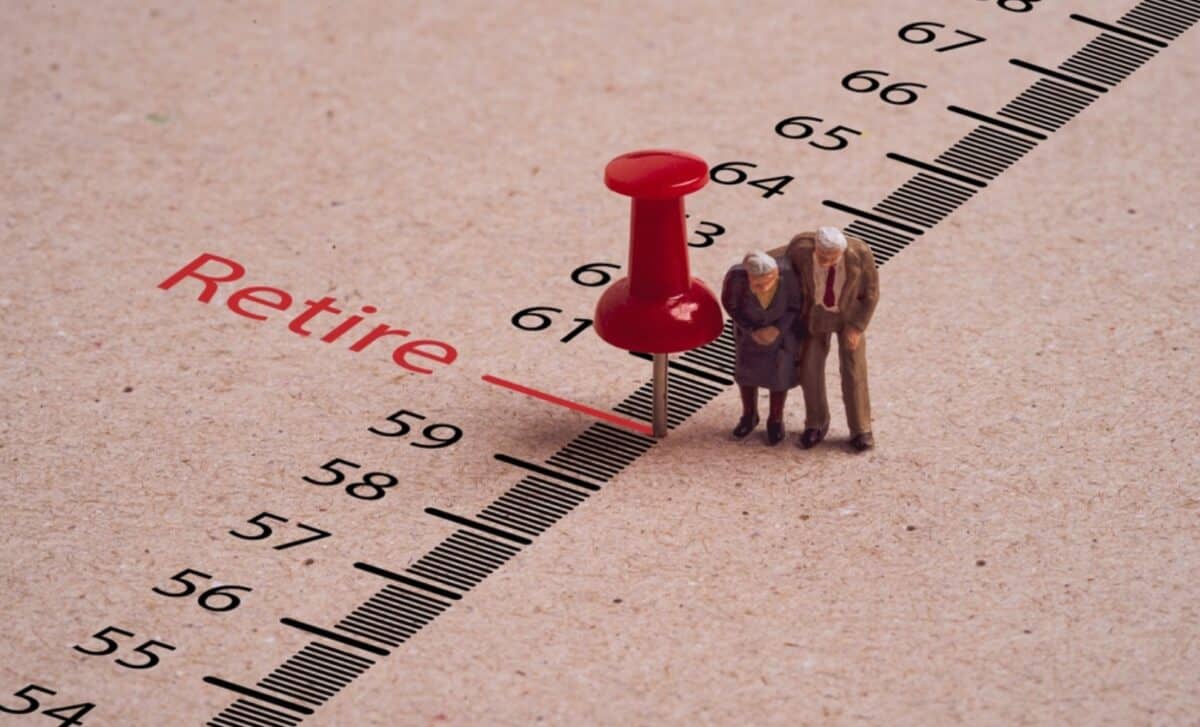
The UK retirement timeline is changing once again. The state pension age is moving higher, affecting when millions can stop working. For many, the idea of retirement is gradually being pushed further away.
State Pension Age Increasing Step by Step to 67
From April 2026, the state pension age is rising from 66 to 67 through a phased process. One month is added every two months, making the transition gradual rather than immediate. By April 2028, the new threshold of 67 years old will apply to everyone across the UK.
During this transition, individuals will reach pension age at different points depending on their birth date. This ranges from 66 years and one month to 66 years and 11 months. The staggered approach spreads the financial and social adjustment over time for both households and public finances.
| Date of birth | State pension age |
|---|---|
| 6 Apr 1960 – 5 May 1960 | 66 years & 1 month |
| 6 May 1960 – 5 Jun 1960 | 66 years & 2 months |
| 6 Jun 1960 – 5 Jul 1960 | 66 years & 3 months |
| 6 Jul 1960 – 5 Aug 1960 | 66 years & 4 months |
| 6 Aug 1960 – 5 Sep 1960 | 66 years & 5 months |
| 6 Sep 1960 – 5 Oct 1960 | 66 years & 6 months |
| 6 Oct 1960 – 5 Nov 1960 | 66 years & 7 months |
| 6 Nov 1960 – 5 Dec 1960 | 66 years & 8 months |
| 6 Dec 1960 – 5 Jan 1961 | 66 years & 9 months |
| 6 Jan 1961 – 5 Feb 1961 | 66 years & 10 months |
| 6 Feb 1961 – 5 Mar 1961 | 66 years & 11 months |
| 6 Mar 1961 onwards | 67 years |
Why the State Pension Age Keeps Rising
The increase is mainly driven by longer life expectancy across the population. People are spending more years in retirement, which raises the cost of maintaining the state pension system. In many cases, retirees now receive pensions for a period approaching their working lives.
This evolution has created pressure on public finances, requiring gradual adjustments to the retirement age. Even if life expectancy growth has slowed in recent years, the long-term trend remains upward. Policymakers continue to respond by extending working life expectations.
State Pension Age Could Rise Further in the Future
A further increase to 68 is currently planned between 2044 and 2046, targeting those born after April 1977. The exact timing remains uncertain and will be reviewed in upcoming official reports. These reviews will assess economic conditions and demographic trends.
Some projections suggest that the pension age could rise beyond current expectations over the long term. This depends on factors such as public finances, life expectancy and labour market conditions. The debate continues around how far and how fast these changes should go.
Link Between State Pension Age and Private Retirement
Changes to the state pension age are closely linked to private pension rules in the UK. From April 2028, the minimum age to access private pensions will increase from 55 to 57, reminds Thisismoney. This maintains a gap between state pension eligibility and personal savings access.
For those planning early retirement, this shift introduces new constraints and considerations. Access to pension funds may be delayed, requiring adjustments in long-term financial planning. The alignment between systems adds complexity to retirement decisions.
Ongoing Debate Around Fairness of State Pension Age Changes
The rise in pension age has sparked debate, particularly among women born in the 1950s. Many argue that changes were introduced too quickly, leaving them with limited time to adjust financially. Campaign groups continue to highlight the consequences of delayed retirement.
While reviews have acknowledged communication issues, no compensation scheme has been implemented. The discussion continues around fairness and how reforms should be introduced. These concerns remain central to the broader pension policy debate.
A Retirement System Under Long-Term Pressure
The state pension age is likely to remain a key lever for managing long-term public spending. As costs increase, further adjustments may be considered by future governments. This points toward a gradual shift to later retirement for upcoming generations.
For individuals, understanding these changes is becoming increasingly important. Retirement planning now requires a longer-term perspective and greater flexibility. The system continues to evolve in response to demographic and economic pressures.