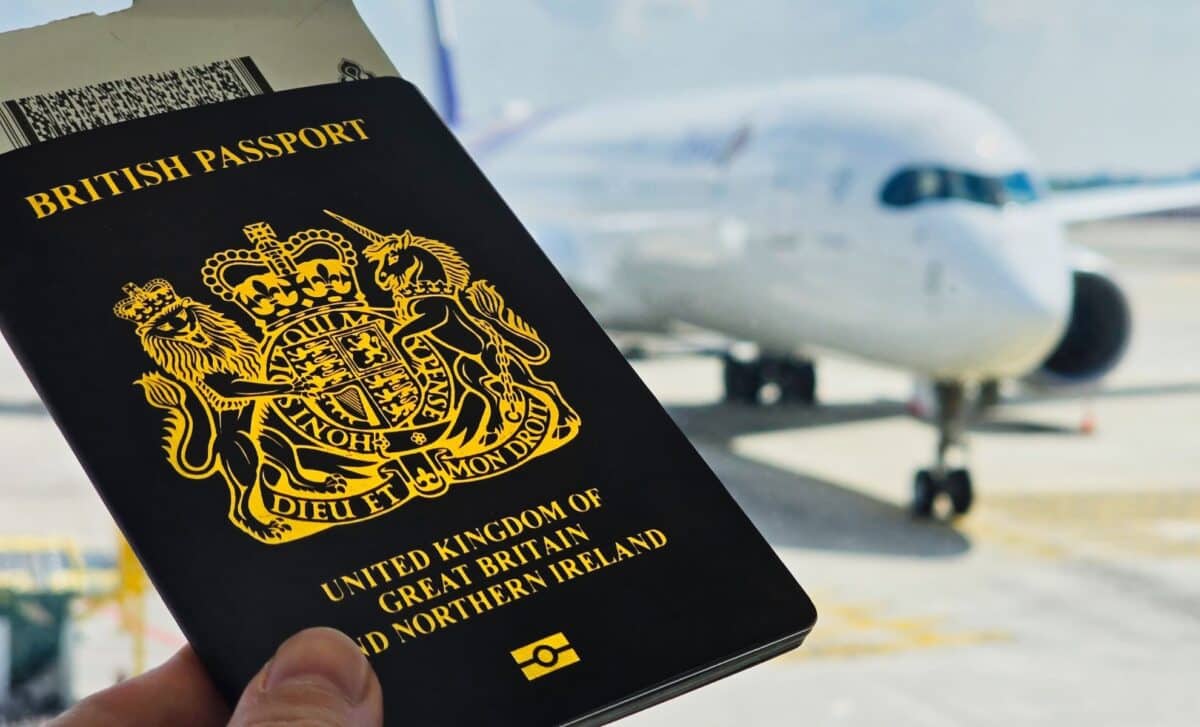
The cost of renewing a British passport has increased for the first time since 2024, with adult online renewals now priced at £102, the first time the standard fee has exceeded £100. The changes, which took effect on Wednesday, were introduced by HM Passport Office across all application types and routes.
The Home Office stated that the revised fees are intended to move the passport system closer to one that “meets its costs through those who use it, reducing reliance on funding from general taxation.” The government has also confirmed it does not make a profit from passport applications.
What the New Fees Mean in Practice
The £102 figure applies to adults renewing or applying for a standard 34-page passport online. Those who opt to apply by post using a paper form will pay £115.50, up from £107. For applicants requiring a larger 54-page document, generally only necessary for very frequent travellers, the postal fee rises to £129.50, the highest available rate.
Children’s passports have also increased in price. Online applications now cost £66.50, up from £61.50, while postal applications rise from £74 to £80. The most expensive children’s option, a 54-page passport applied for by post, now costs £94.
For those needing a passport urgently, the premium one-day service now costs £239.50, an increase of roughly 8 per cent from the previous £222 fee. Applicants based overseas face separate rates, with adult online applications from abroad rising from £108 to £116.50, and paper applications increasing from £120.50 to £130.
Experts Urge Travellers to Check Validity Ahead of Trips
Travel insurance specialist Tom Vaughan of Confused.com warned that the fee increases make it more important than ever for travellers to verify their passport’s expiry date in advance. “With prices of new passport applications rising above £100 for the first time, it’s more important than ever to check when your passport expires,” he said, adding that the cost of arranging an emergency passport, now £239.50, does not account for additional expenses such as time off work or travel to a passport office.
Vaughan also noted that only 43 per cent of holidaymakers were aware that passports used for EU travel must have been issued within 10 years of the date of departure. This rule, which came into force when the UK left the European Union, has caught out a number of travellers who assumed their passport remained valid based on its printed expiry date alone.
Anyone holding a burgundy passport issued before Brexit should pay particular attention to its start date. Under the current rules, any additional months beyond the standard 10-year validity are no longer recognised, meaning a passport with a start date of March 2016 will be treated as expired regardless of what its printed expiry date states.
Passports remain free for anyone born on or before 2 September 1929. Travel insurance, Vaughan noted, will not cover the cost of an emergency passport or any resulting missed flights.