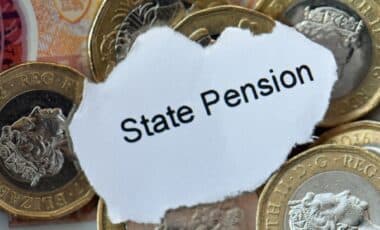
Train fares in England are projected to rise by 5.8% in 2026, surpassing earlier forecasts and reflecting stronger-than-expected inflation figures for July. The rise follows the standard method of adding one percentage point to the Retail Prices Index (RPI), which reached 4.8% in July. This projected increase has raised concerns among passenger advocacy groups, who are concerned about the impact of higher rail fares on commuters.
According to The Guardian, such price hikes could make travel increasingly unaffordable for some, especially as other living costs continue to rise. Passenger groups have called for government intervention to address fare affordability.
Inflation Figure Triggers Higher Rail Fares Calculation
The projected 5.8% increase follows the retail prices index (RPI) for July reaching 4.8%, which was 0.2 percentage points higher than forecast. If the government repeats the formula used in 2025—adding one percentage point to the July RPI—the 2026 rise in regulated rail fares will align with this higher reading.
Earlier projections had estimated a 5.6% increase, meaning commuters now face a steeper rise than initially expected. According to official data, the spike was driven in part by rising food costs and air travel prices.
Cost to Commuters and Fare Breakdown
For commuters, the impact of a 5.8% rise is significant. An annual season ticket between Gloucester and Birmingham would increase from £5,384 to £5,696, a £312 jump. Travel between Woking and London would rise by £247, reaching £4,507.
Regulated fares, which represent approximately half of all journeys, include season tickets for most commuter routes, off-peak return tickets on long-distance services, and flexible urban travel options. Unregulated fares, such as long-distance advance tickets, are set by train operators but typically follow similar increases. These non-regulated fares rose by 5.9% over the year ending in March 2025, according to the Office of Rail and Road.
Historical Pattern of Fare Increases
Rail fares have outpaced inflation for more than 25 consecutive years, with one exception in 2023. That year, the government described its intervention as the “biggest ever” to limit fare hikes during a period of high post-pandemic inflation. Despite this, fares still rose by up to 5.9%.
In March 2025, the previous regulated increase was 4.6%, following the same RPI-plus-one formula. With rail fares set by central government in England, the devolved administrations in Scotland and Wales typically adopt similar fare caps.
Political Context and Restructuring of the Rail Sector
The Labour government is proceeding with the nationalisation of train operators as their contracts expire and is creating Great British Railways, a public body tasked with managing infrastructure and operations. With this transition to public control, the political responsibility for fare policy is under renewed scrutiny.
In a public statement, a Department for Transport (DfT) spokesperson said:
“The transport secretary has made clear her No 1 priority is getting the railways back to a place where people can rely on them. No decisions have been made on next year’s rail fares, but our aim is that prices balance affordability for both passengers and taxpayers.”
Responses From Advocacy Groups
Passenger groups have reacted strongly to the latest developments. Ben Plowden, chief executive of Campaign for Better Transport, stated:
“With the railways now moving under public control, the fundamental question for the government is how to use its role in setting fares policy to deliver a more affordable rail network and encourage more people to travel on it.”
He added that the 2026 fare increase represents
“The first real opportunity for the government to show passengers – both current and future – just how it plans to do this.”
The campaign group Railfuture called the previously projected 4.6% increase “outrageous,” accusing the government of “ripping off the consumer.”