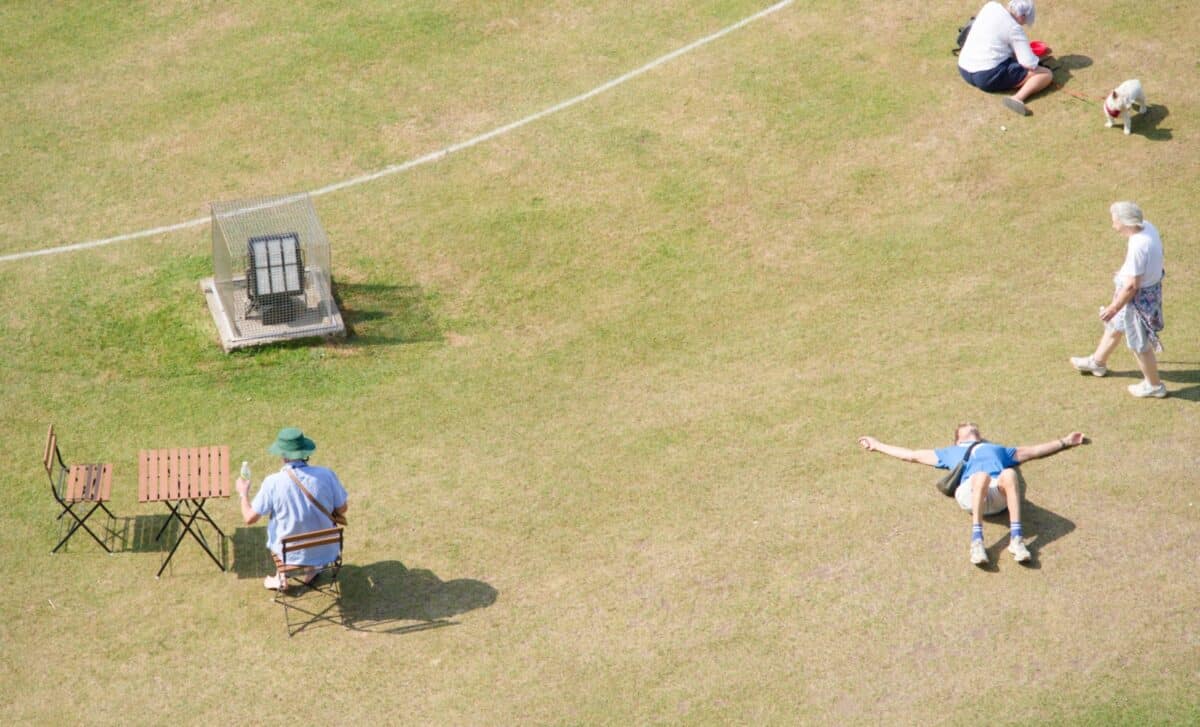
The situation follows a period of high temperatures and limited precipitation, which has affected rivers, agriculture and natural habitats. According to BBC Weather, August is showing a trend towards warmer and drier-than-average conditions, meaning drought conditions could become more severe before any improvement is seen.
Dry Conditions Persist as Rainfall Remains Limited
Some parts of the UK may see rain during Friday and the weekend, though the areas currently under drought conditions are expected to remain mostly dry. Northern regions may experience some scattered showers, while southern England is forecast to see another generally dry period with variable cloud and sunshine.
The longer-range forecast suggests more unsettled weather next week, with a greater chance of rainfall in north-western parts of the country. Some forecasting models indicate that southern areas could receive useful rainfall, although this remains uncertain.
According to BBC Weather, the rainfall expected in the coming days is unlikely to be enough to end drought conditions. Summer rain often has a limited effect because high daytime temperatures can cause water to evaporate quickly from the soil. Short, heavy showers can also produce large rainfall totals while falling too quickly for the ground to absorb the water effectively.
A prolonged period of rain over several days and weeks would be needed to significantly reduce the drought. The current conditions have already resulted in very low rainfall totals. Wales received only 8% of its long-term average rainfall for July, placing it on course for its driest July since records began 190 years ago.
Environment Agencies Warn of Pressure on Nature and Wildfire Risks
The drought situation has led environmental authorities to raise concerns about the impact on landscapes, farming and wildlife. Natural Resources Wales (NRW) extended its drought declaration to the entire country, stating that high temperatures were causing the natural environment to deteriorate.
According to NRW, the effects on land and agriculture are visible, with teams continuing to deal with the aftermath of wildfires that damaged forests, grasslands and protected habitats. The organisation has advised visitors to avoid activities that could create fires during periods of high wildfire risk.
In England, the Environment Agency also declared drought conditions across more than half of the country. The agency warned that hot and dry weather meant people were “using water faster than nature can replenish it”.
NRW has advised people visiting woodlands and nature reserves to avoid lighting fires, using barbecues in the countryside, leaving glass bottles behind or discarding cigarettes and matches. Visitors are also encouraged to check local conditions before travelling, as some rural areas have limited mobile phone coverage.
The combination of low rainfall, warm temperatures and continued pressure on natural resources means affected areas will need sustained rainfall before conditions return to normal. For now, forecasts indicate that the driest regions of England and Wales are likely to remain under strain.