Petrol prices across the UK have climbed sharply in recent months, pushing the cost of filling a family car nearly £15 higher than it was in February. Rising oil prices linked to tensions in the Middle East continue affecting drivers, airlines, and household energy costs.
UK Petrol Prices Reach Their Highest Level Since the Iran Conflict Began
According to new RAC data, the average petrol price in the UK has now reached 159.43p per litre, the highest level recorded since the Middle East conflict involving Iran began on February 28.
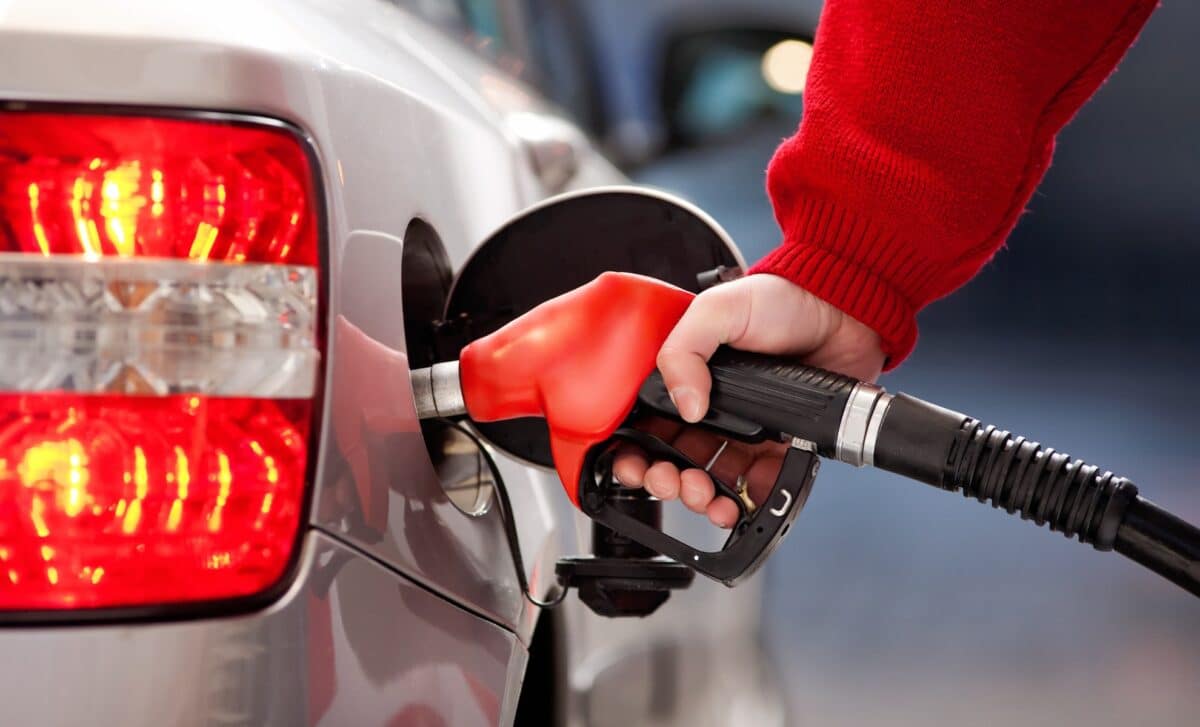
The figure also marks the highest petrol price seen in the UK since December 2022. Compared with late February, petrol is now around 26.6p more expensive per litre. For drivers, the increase is becoming increasingly difficult to ignore. Filling a standard 55-litre family car with petrol now costs approximately £87.69, which is around £14.63 more than at the start of the conflict.
The rise reflects continued instability across global energy markets, where concerns over oil production and shipping routes continue influencing wholesale fuel prices.

Oil Prices Have Fallen but Fuel Costs Remain High
The increase in petrol prices has continued even though crude oil prices have eased slightly in recent weeks. On April 30, Brent crude oil traded above $126 per barrel. Prices have since moved lower and are currently trading slightly below $100 per barrel, though markets remain volatile.
Analysts say fuel prices at the pump tend to react more slowly than wholesale oil prices, meaning motorists may not immediately benefit from declines in global crude markets.
The conflict in the Middle East has also raised concerns about possible disruptions to shipping routes and oil exports, particularly around the Strait of Hormuz, one of the world’s most strategically important energy corridors.
Diesel Prices Fall Slightly From April Peak
Diesel prices have shown some limited improvement after reaching record levels earlier this spring. The average cost of diesel in the UK currently stands at 184.96p per litre, according to the RAC. That represents a decline of 6.58p compared with the peak recorded on April 15, when diesel prices climbed to 191.54p per litre.
Today also marks the first time since April 1 that diesel prices have fallen below 185p per litre. Even with the decline, diesel remains extremely expensive for many households and businesses. Filling a 55-litre diesel vehicle now costs around £101.73, roughly £23.42 more than it did at the beginning of the conflict.
Energy and Travel Costs Continue Rising Across the UK
Fuel prices are rising alongside broader increases in household expenses across Britain. Energy consultancy Cornwall Insight recently forecast that annual household energy bills could climb to approximately £1,850, representing an increase of around £209.
The airline industry is also monitoring developments closely. Ryanair chief executive Michael O’Leary warned that ticket prices could rise further if tensions continue disrupting shipping activity near the Strait of Hormuz. At the same time, easyJet attempted to reassure passengers ahead of the busy summer travel season.
Chief executive Kenton Jarvis said to The Sun that the airline is currently “not seeing any disruption to fuel supply” and encouraged travelers to continue booking flights confidently. For many consumers, though, the latest increase in fuel prices has become another visible sign of how geopolitical tensions abroad can quickly affect everyday living costs in the UK.