
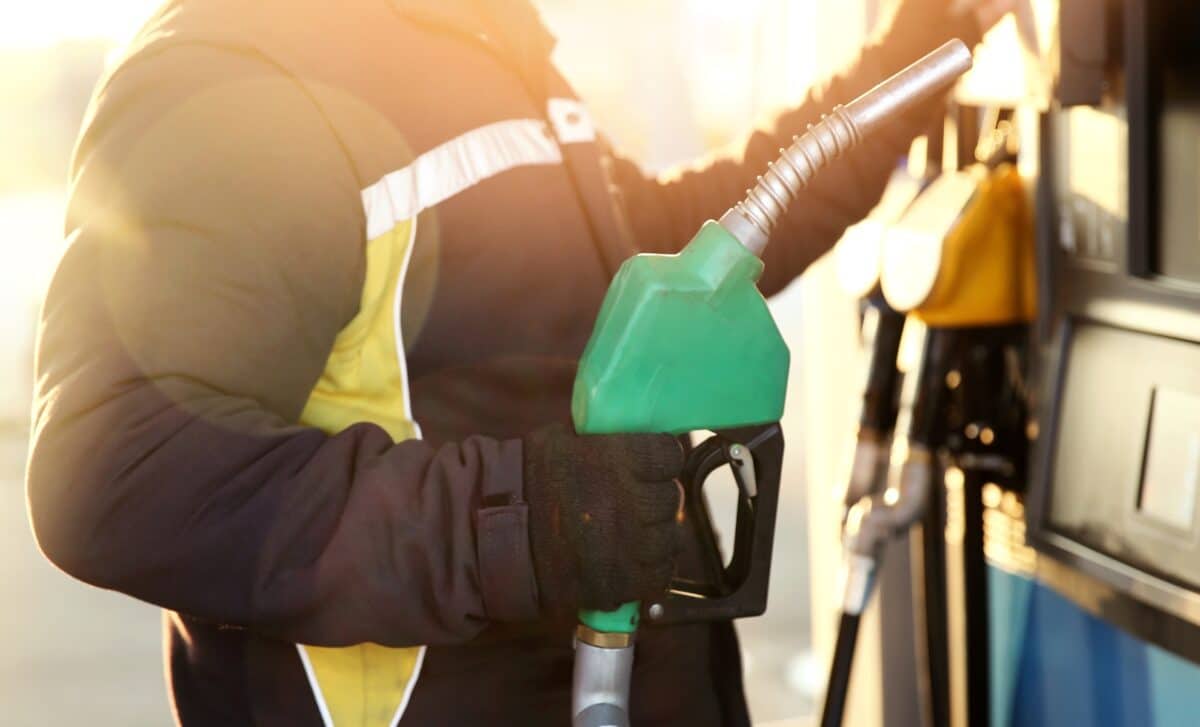
From this weekend, motorists across the UK are being advised to consider refuelling before Tuesday as temperatures rise sharply, with a heatwave expected to push parts of the country above 30C and an amber Met Office warning in place for extreme heat.
Heatwave Forecast Across The UK
Temperatures are expected to climb through Monday and peak on Tuesday, with London forecast to reach around 34C. Much of England and Wales is likely to remain above 30C for several hours, according to the Met Office.
An amber warning for extreme heat is active from early Monday until the end of Tuesday. While such alerts are increasingly familiar during summer periods, they remain linked to disruptions in travel patterns, including heavier traffic and slower journey times.
Why Fuel Use May Increase In Hot Weather
Fuel consumption can rise during hotter conditions due to changes in driving behaviour and vehicle use.
Air conditioning use is one of the main factors, particularly in slow-moving traffic or during short trips. At lower speeds, some drivers also open windows, which can affect vehicle aerodynamics and overall efficiency.
The US Department of Energy has previously noted that air conditioning can reduce fuel economy significantly in hot weather, particularly on short journeys where cooling demand is higher relative to distance travelled.
Fuel Prices And Driver Impact
Fuel prices in the UK remain elevated. RAC data shows petrol averaging around 154.72p per litre, with diesel at approximately 174.30p per litre.
At these levels, small changes in consumption can be more noticeable for motorists. Some drivers may also find fuel range estimates less predictable during periods of high heat and heavier congestion, particularly on longer journeys.
Expert Advice And Safety Concerns
There is a common belief that filling up a car during hot weather can be unsafe. However, automotive experts have consistently rejected this. RAC spokesperson Rod Dennis has stated there is no risk of explosion when filling a fuel tank, as modern systems are designed to handle expansion and vapour safely.
The main advice remains focused on planning ahead, particularly when travel conditions are expected to be busier than normal.
Fuel Economy And Temperature Range
Fuel efficiency varies depending on temperature conditions. Research suggests that moderate temperatures, around 15C to 20C, are generally more efficient for engine performance. At lower temperatures, engines take longer to reach optimal operating conditions. At higher temperatures, air conditioning use and traffic conditions can reduce efficiency again.
Fuel analysis groups such as Fuel Finder UK note that very high temperatures, around 32C and above, may contribute to reduced efficiency and increased strain during longer journeys. For motorists, the coming days may mainly require more attention to fuel levels and journey planning during peak heat hours.