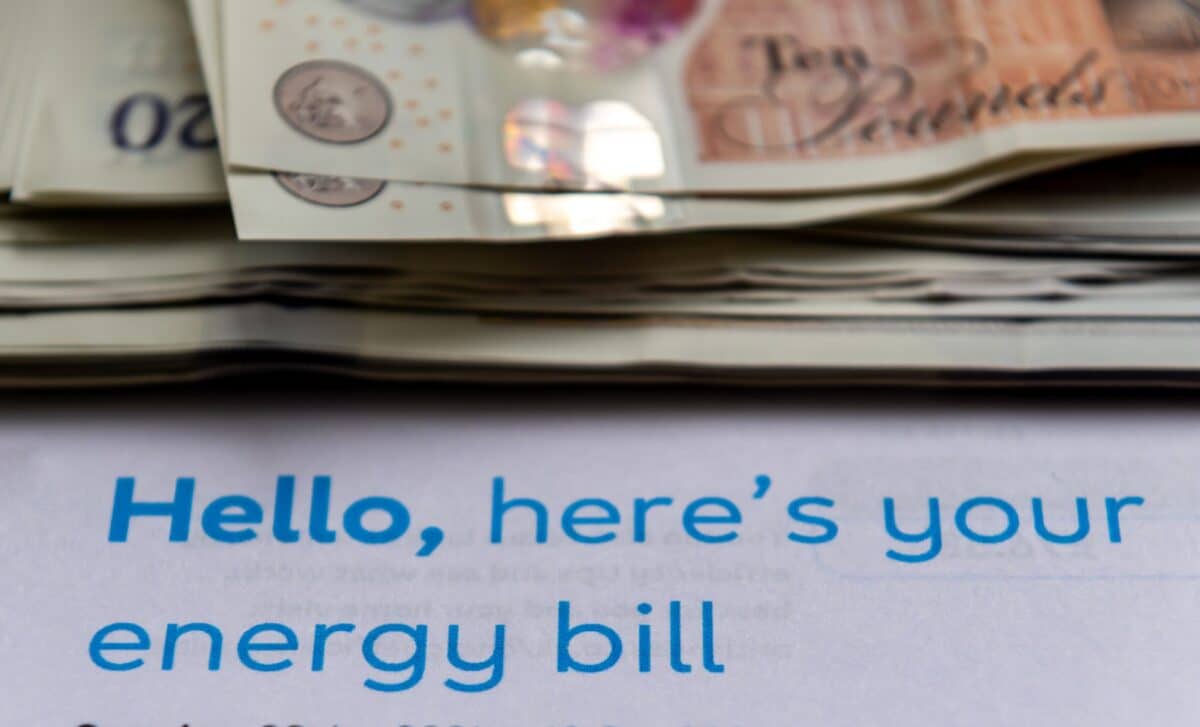
UK households could face a 26% increase in energy bills from January 1, 2027, pushing the typical annual bill to £2,166. The latest forecast points to the highest household energy costs since 2023, driven by rising wholesale gas prices and supply disruptions linked to conflict in the Middle East.
Energy Price Cap Could Rise by £443 in January
According to Express.co.uk, analytics firm Cornwall Insight expects the energy price cap to increase by £443 annually for a household with typical consumption, exceeding earlier forecasts.
Cornwall Insight says: “Energy bills are set to climb by 26% in January, according to Cornwall Insight’s final forecast for the Default Tariff Cap (price cap).
“This rise would take bills to their highest levels since 2023, as the conflict in the Middle East continues to push up wholesale prices.
“The annual cap for a typical consumer is expected to reach £2,166, an increase of £443 on the current cap. The cap limits unit rates and standing charges rather than the total bill, so what each household pays will depend on how much energy it uses.”
The cap, regulated by Ofgem, changes every three months. It controls electricity and gas unit rates and standing charges, not a household’s total spending. Homes consuming twice the typical amount could therefore face an annual increase of approximately £886.
Middle East Conflict Pushes Gas Prices Higher
Wholesale gas markets remain the main source of pressure on British energy bills.
Cornwall Insight explains: “As with October’s price cap rise, this increase reflects high and volatile wholesale market prices, particularly for gas. The continuing conflict in the Middle East has seen disruption to gas exports and left European gas storage at record lows heading into winter, adding further pressure on costs.”
The supply disruption has left European markets vulnerable as winter heating demand increases.
Simon Francis, coordinator of the End Fuel Poverty Coalition, warned: “It now looks like households will pay more for every unit of gas this winter than at any point in history.”
He added: “Driven by wholesale market prices, gas costs are now expected to reach almost 11p per kilowatt hour which is a 37 per cent increase on today’s price and 84 per cent higher than the start of 2026.”
Government Relief Measures Face Growing Pressure
The UK government has introduced measures intended to reduce the burden on households.
The removal of VAT from electricity bills has been extended until July 2027, providing an estimated £45 benefit already reflected in Cornwall Insight’s forecast.
A separate £100 Household Energy Payment for eligible properties in England’s Council Tax bands A to D remains outside the price cap calculation because it is a one-time payment.
The government has also asked Ofgem to eliminate standing charges from domestic gas bills in 2027 or shortly afterward, although no implementation date has been confirmed.
Francis argues these measures will not adequately protect vulnerable consumers.
“Since January 2021, prices and wages have each risen by around a third, but the typical energy bill has more than doubled,” he said.
“Bills are racing away from what people can afford, even though Ofgem now assumes the typical home uses much less gas than it did then, partly because people are cutting back just to get by.”
Fuel Poverty Campaigners Demand Further Action
Francis believes reducing dependence on gas offers a longer-term solution.
“This is the clearest sign yet that the only lasting way to protect people in the long-term is to get our homes off gas for good.”
He also pointed to energy industry earnings, stating: “Households will be aghast at having to find more money for their energy bills in the depths of winter while the energy industry has posted £143 billion in UK profits since 2020.”
Calling for additional government intervention, he warned: “As wider inflation also hits household finances, swallowing up the £100 help announced in the Budget, the Chancellor must act with further support for the cost of energy now.”
His immediate proposal targets households experiencing financial hardship.
“At the very least, that means a referral route so doctors, social workers and debt advisers can get struggling households extra help with their energy bills.”