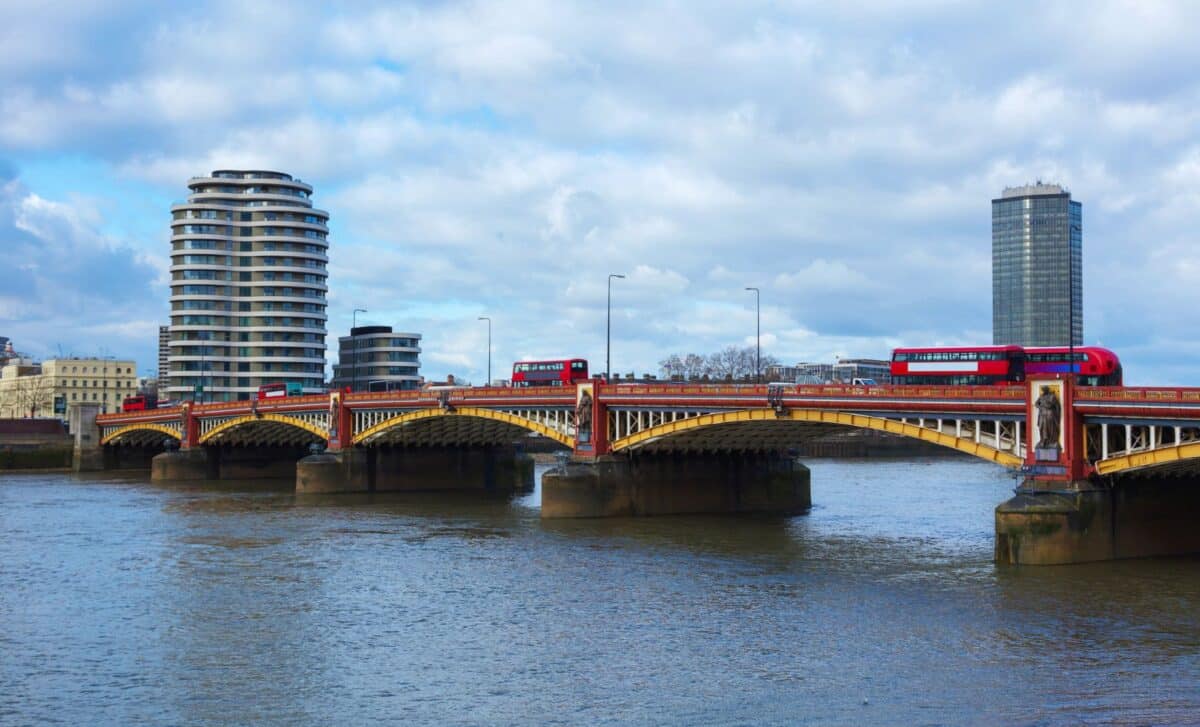
One of London’s busiest Thames crossings could close to vehicles for up to a decade unless authorities secure approximately £60 million ($79 million) for structural repairs. Vauxhall Bridge, which carries 44,000 vehicles every day, faces worsening steel corrosion that could force restrictions on buses and emergency vehicles within just a few years.
Corroding Steel Threatens a Critical Thames Crossing
According to The Independent, Transport for London (TfL) has warned that Vauxhall Bridge could become unusable for buses and fire engines within two to four years without major repairs. A complete closure to vehicles could follow within four to ten years.
The deterioration stems from water entering the bridge’s structure and corroding its steel components. Although TfL renewed the waterproofing in 2020, several structural elements have since reached what the agency describes as “very poor condition.”
An existing 18-tonne weight restriction limits heavy vehicles crossing the bridge. Without repairs, authorities may have to lower that threshold to 7.5 tonnes by 2030, excluding buses, coaches and many emergency service vehicles.
TfL has also identified deteriorating fascia panels along the bridge, raising concerns that loose material could fall into the River Thames.
A £60 Million Repair Plan Could Prevent Years of Disruption
TfL has submitted a funding application to the government’s £1 billion structures fund, seeking support for work intended to protect the bridge’s structural integrity and extend its operational life.
The proposed repairs would reinforce key structural components, address the causes of corrosion and improve the bridge’s long-term resilience.
“Without this scheme, Vauxhall Bridge will continue to deteriorate, resulting in further restrictions and ultimately full closure, leading to the loss of a critical Thames crossing,” the letter warns.
The application also emphasizes the bridge’s heritage value and its role in London’s Inner Ring Road. TfL argues that losing the crossing would increase congestion, undermine public transport reliability and disrupt economic activity across the capital and beyond.
Transport Officials Warn That Funding Is Not Guaranteed
Speaking to BBC London, David Rowe, TfL’s director of investment planning, declined to give an exact figure but agreed the repairs would cost around £60 million. He said an unsuccessful funding bid would force TfL to “look very, very carefully about where we prioritise our renewals”.
“We have a certain amount that we can invest every year but with projects as big as Vauxhall Bridge… we really, really do need support alongside what we can bring”.
The comments underline the financial challenge of maintaining major infrastructure while balancing other transport investment priorities.
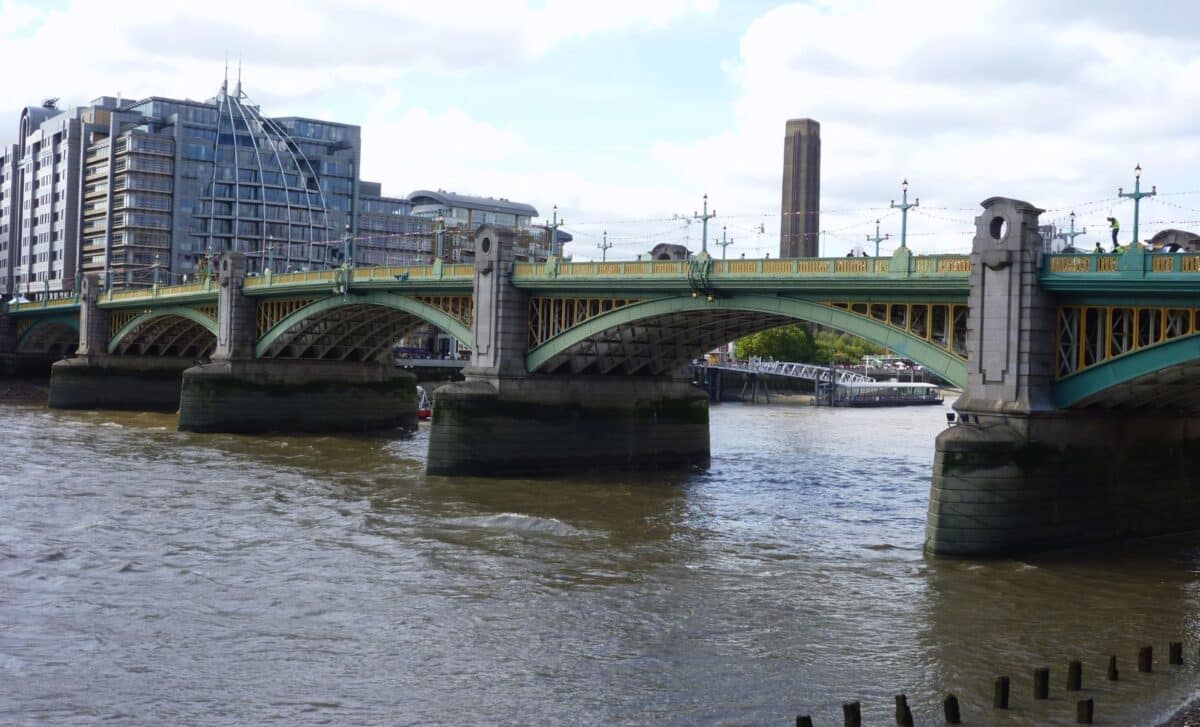
London’s Mayor Points to Years of Infrastructure Funding Pressures
London Mayor Sadiq Khan also addressed the bridge’s deteriorating condition and the difficulty of financing repairs.
Speaking to BBC London, Khan said the city had struggled with its bridges because “we had anti-London governments in eight of my last 10 years”.
He expressed greater confidence in the current funding arrangements.
“The good news is this government has notably increased massively the capital funding that TfL gets but also that we can bid now for infrastructure projects.”
For now, the bridge remains subject to its existing weight restriction, while TfL seeks government assistance to prevent further deterioration.
Successful applications to the government’s £1 billion structures fund are expected to be announced in the autumn.