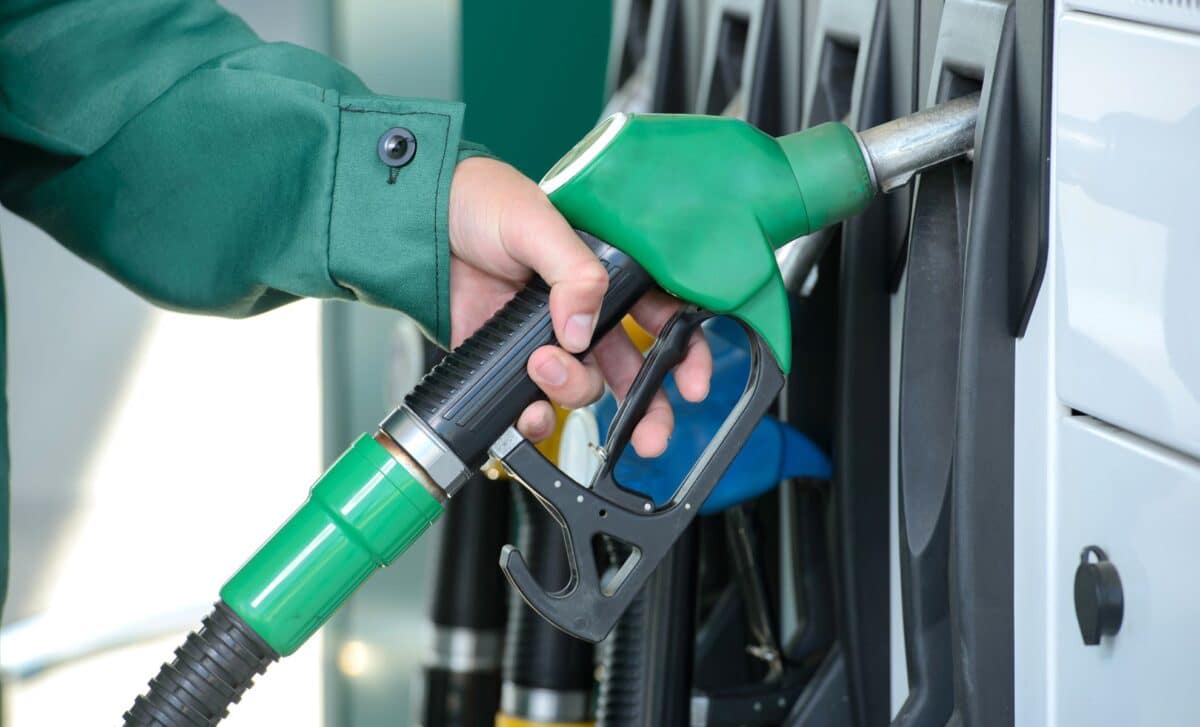
UK motorists are once again facing rising fuel costs as petrol prices continue to climb across the country. Growing tensions in global energy markets have pushed oil prices higher, increasing pressure on drivers already dealing with elevated living expenses. While the latest increase has not been as severe as some analysts feared, petrol prices have now reached their highest level in more than three years.
Oil Market Tensions Feed Through to UK Fuel Prices
The average price of petrol at UK forecourts rose to 159.7p per litre last week, according to figures highlighted by the AA. This marks the highest level recorded since November 2022, underlining the extent to which international developments can influence fuel costs in Britain.
The increase follows a surge in wholesale petrol prices during May. Energy markets reacted sharply after the closure of the Strait of Hormuz, a strategic shipping route through which a large share of the world’s oil exports pass. Any disruption affecting this corridor tends to trigger concerns about global supply, prompting traders to push oil prices higher.
As wholesale costs increased, fuel retailers gradually passed part of those higher expenses on to consumers. Petrol prices climbed from 157.3p per litre at the beginning of May to 159.7p per litre in recent weeks.
Fuel Finder Scheme May Have Helped Limit Price Increases
Despite the rise, the AA believes motorists may have avoided even steeper increases thanks to the government’s Fuel Finder scheme. Introduced earlier this year, the initiative requires fuel retailers to report pump price changes in near real time. Since February, filling stations have been legally obliged to submit updated pricing information, making it easier for drivers to compare fuel costs across different locations.
The data is available through various websites and mobile applications, giving consumers a clearer view of where the cheapest fuel can be found. According to the AA, this greater transparency has encouraged stronger competition between retailers.
Competition remains a key factor in the fuel market, particularly during periods of wholesale price volatility. Retailers know that motorists can quickly compare prices, which may discourage excessive increases and help keep prices closer to competitive levels.
Diesel Prices Move in the Opposite Direction
While petrol prices have risen, diesel has followed a different path. The average UK diesel price fell to 184.2p per litre, offering some relief for businesses and drivers who depend on diesel-powered vehicles. Haulage companies, delivery operators and many tradespeople remain highly sensitive to fluctuations in diesel costs, making any reduction welcome.
The contrasting movements between petrol and diesel reflect different supply and demand conditions within international fuel markets.
Geopolitical Uncertainty Remains a Major Factor
The outlook for fuel prices remains closely linked to developments in the Middle East and the wider oil market.
Any prolonged disruption affecting major energy transport routes could keep wholesale fuel prices elevated in the coming weeks. On the other hand, a reduction in geopolitical tensions could ease pressure on oil markets and slow the pace of price increases.
For now, UK motorists are paying the highest petrol prices seen in more than three years, highlighting the continued influence of global events on everyday household budgets. As energy markets remain sensitive to geopolitical developments, fuel costs are likely to remain under close scrutiny throughout the summer.