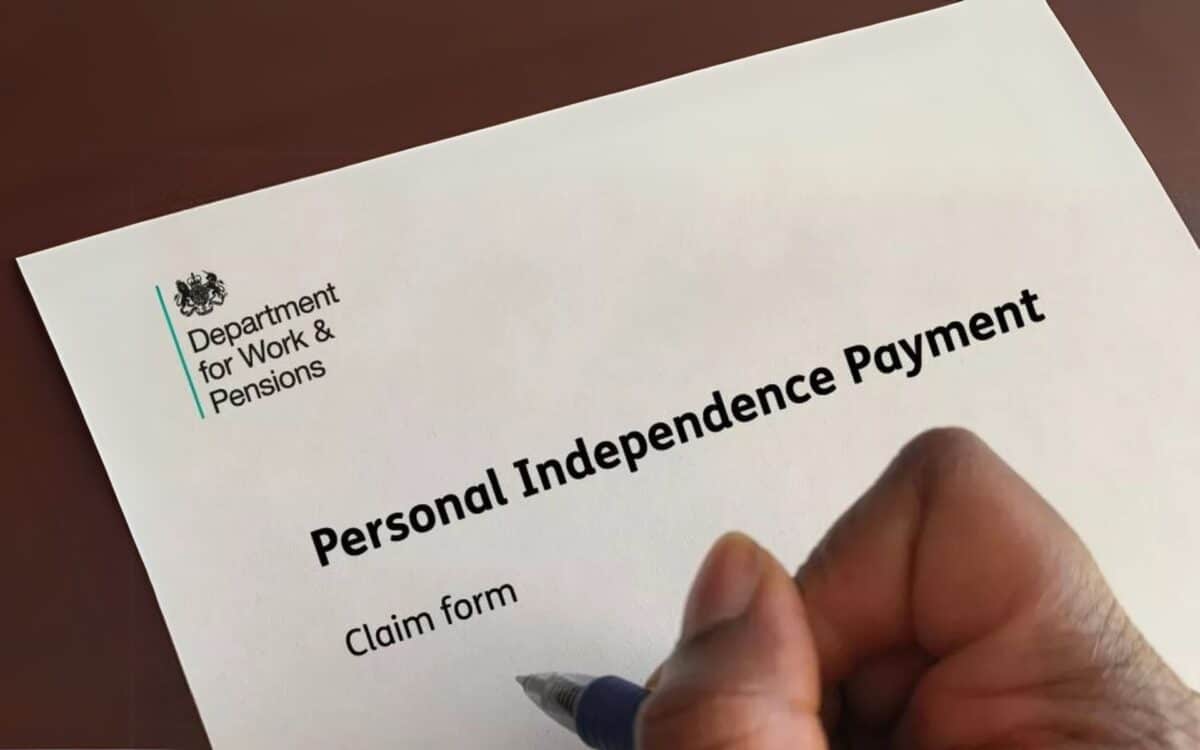
Some people receiving Personal Independence Payment (PIP) could see their support reduced under proposed reforms aimed at changing how the UK’s disability benefit system measures need.
The Government is reviewing the future of PIP, which currently provides financial support for people with long-term physical or mental health conditions. The review is examining whether payments should be more closely linked to the severity of a claimant’s disability, potentially shifting more funding towards people with the highest levels of need.
Government Considers Changes To PIP Assessment System
According to The Telegraph, Disabilities Minister Sir Stephen Timms is considering a redesign of the benefit as part of a wider review after describing the current system as “not fit for purpose” earlier this year.
The existing points-based assessment system evaluates how easily people can complete daily activities and move around. The Institute for Fiscal Studies (IFS) has argued that the system can result in people with very different levels of disability receiving similar levels of support.
The think tank said: “Someone who cannot wash themselves and needs assistance dressing their upper body would currently get the same level of support for daily living as someone who cannot wash themselves, cannot dress themselves at all, cannot talk and cannot read.”
Under one possible model examined by the IFS, payments would be adjusted according to assessment scores. The analysis suggested that people with some musculoskeletal conditions could receive lower payments, with those experiencing back pain facing an estimated reduction of around £850 per year and people with arthritis facing a cut of about £750.
Reform Could Shift Support Towards Severe Disabilities
The proposed changes would create different outcomes depending on the condition affecting claimants. People with severe disabilities that result in high assessment scores could receive greater support, while some groups with lower scores could see reduced payments.
The IFS said: “The biggest winners would be those whose main condition is a learning disability or a condition such as cerebral palsy, who tend to have very high PIP assessment scores.
“Claimants whose main condition is musculoskeletal would lose the most, since they do not tend to score very highly on the PIP assessment.
“The reform would also benefit younger claimants on average, since a higher share of young claimants receive very high point scores.”
The analysis found that older claimants could be more affected because conditions such as arthritis and back pain are more common among people over 50. Around 11pc of people aged 50 to 59 receive PIP, compared with 6.1pc of people under 30, according to figures cited in the report.
Ministers Examine Rising Disability Spending
The review comes as the cost of disability benefits continues to increase. Official forecasts indicate that spending on PIP could rise from £32bn this year to £41.4bn in real terms by the start of the next decade, while the number of claimants is expected to grow from 4.1 million to 5.4 million by 2030.
The IFS said that changing eligibility rules based only on diagnoses could have limited effects because many claimants already report having a medical diagnosis. It warned that excluding mental health conditions could create unintended effects.
“More claimants would likely obtain a physical diagnosis if it was a requirement for PIP receipt,” it said.
The Government has ruled out introducing means-testing for PIP, although the IFS estimated that such a move could reduce spending by up to £8.2bn a year.
Government Says Reform Aims For A Sustainable System
A Department for Work and Pensions spokesman said: “The Timms review interim report made clear that PIP is no longer fit for purpose. The recommendations from the final report, due in autumn, will pave the way for sustainable reform.
“This comes on top of action we are already taking to fix the broken welfare system, including by increasing face-to-face assessments and extending award review periods to deliver savings of around £2bn while removing unnecessary pressure on disabled people.”
The final recommendations from the Timms review are expected after the Budget on Oct 28, with ministers considering how future disability support should be structured.
The current number of people receiving PIP is forecast to reach 5.4 million by 2030.