
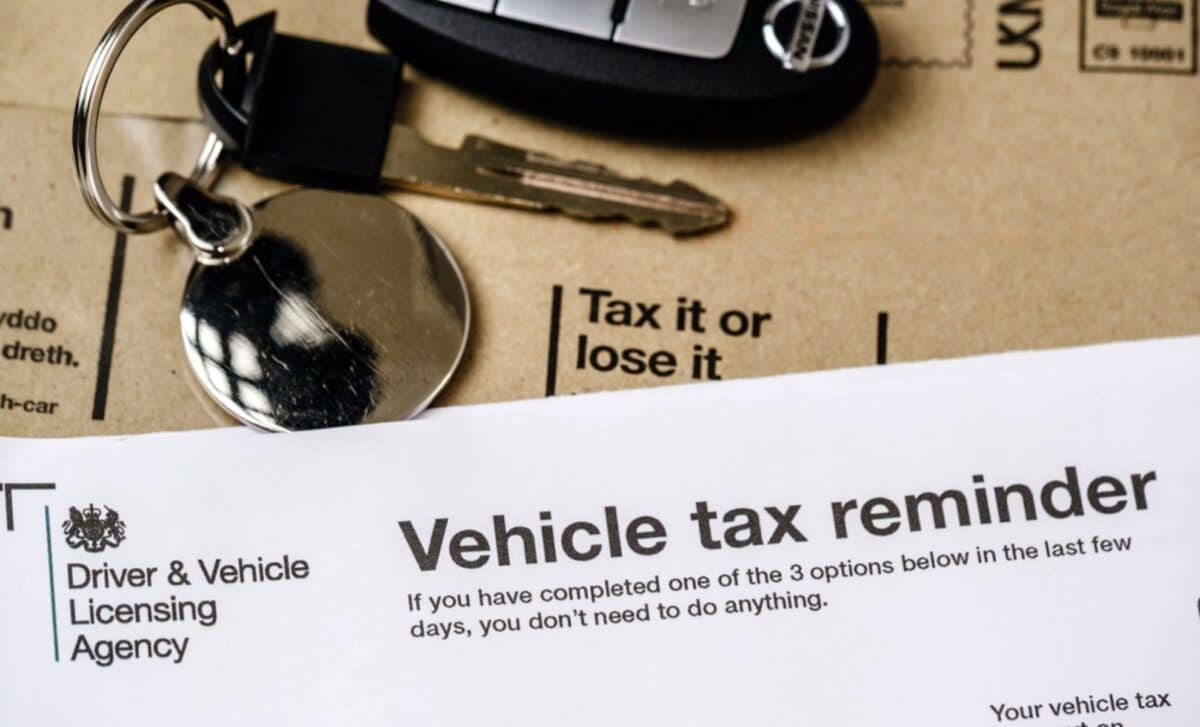
New Vehicle Excise Duty (VED) changes confirmed by Chancellor Rachel Reeves are set to increase costs for many UK motorists, with some drivers facing annual charges of up to £360 from the 2026/27 tax year.
£360 VED Charge to Impact Van Owners
One of the most direct changes concerns van drivers, many of whom will see their annual tax rise from £345 to £360. This increase applies to the majority of vans outside older emissions categories and represents a higher jump than in previous years.
By contrast, some Euro 4 and Euro 5 vans registered after March 2001 will continue to pay £140 per year, with no increase applied. This creates a clear divide between older compliant models and more recent vehicles subject to higher rates.

New Car Tax Rules Extend Across All Vehicle Types
The updated VED system affects a broad range of vehicles, including petrol, diesel, and electric cars. The inclusion of electric vehicles reflects a shift in policy, as more drivers transition away from traditional engines.
Cars registered after 2017 will generally face a flat annual charge of around £200, regardless of fuel type. This standard rate simplifies the system for newer vehicles but still represents a recurring cost for drivers who were previously less affected.
For vehicles registered between 2001 and 2017, taxation remains based on CO₂ emissions, with 143 different tax bands in place. Depending on the emissions level, some drivers in this category could pay up to £790 per year.
Higher Costs for New and Premium Vehicles
Owners of brand-new cars may face significantly higher charges, particularly in the early years of ownership. In some cases, total annual costs can reach £5,690, depending on the vehicle’s value and specifications.
These higher rates are linked to existing rules targeting more expensive vehicles, where additional charges apply during the first years after purchase. This system is designed to reflect both emissions and vehicle value.
Why the Government Is Increasing Car Tax
The revision of VED rates is part of a broader effort to adjust the UK’s taxation system as driving habits and vehicle types evolve. With more electric vehicles entering the market, the tax base is expanding to include drivers who previously paid little or no road tax.
At the same time, incremental increases in standard rates continue to raise ownership costs, contributing to wider concerns about household expenses.
What It Means for Drivers in 2026
For UK motorists, these changes mean that annual car tax bills are likely to rise depending on the type and age of their vehicle. While some drivers will see minimal changes, others—particularly van owners and those with higher-emission vehicles—will face increased costs.
Understanding which VED band applies will become more important as the new rules take effect. For many households, these changes add another factor to consider when budgeting for vehicle ownership in the coming years.