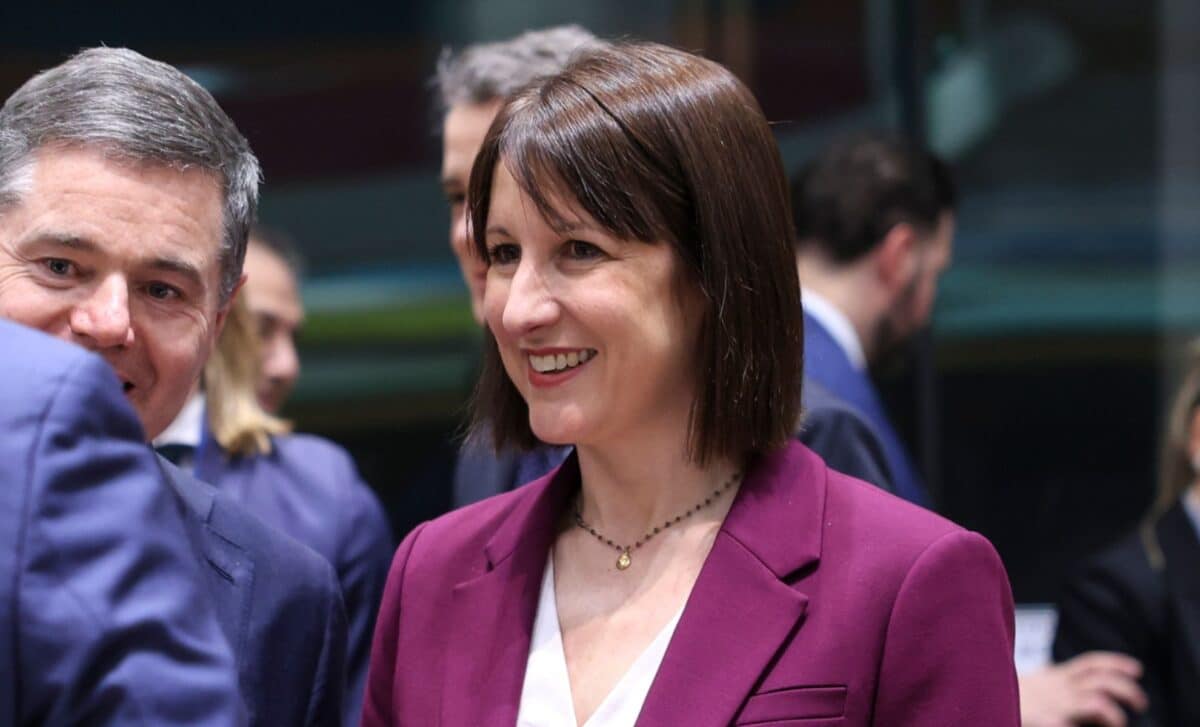
The policy has been presented as a response to rising transport pressures, with ministers linking the decision to external geopolitical tensions affecting fuel prices. According to the same report, the Chancellor positioned the measure as part of a broader effort to stabilise household and business costs during a period of economic volatility.
Vehicle Excise Duty Relief and Stated Impact on Drivers
The key element of the announcement is a 12-month Vehicle Excise Duty arrangement that would reduce renewal costs for certain drivers. Under the scheme, some operators would pay £1 at renewal, with reported savings reaching £600 for a typical heavy goods vehicle and up to £912 for larger vehicles.
Ms Reeves is quoted as saying: “I’m keeping taxes down for drivers and businesses – putting money in the pockets of millions of workers and cutting costs for farmers and hauliers.”
The statement links the policy directly to wider economic conditions, including rising fuel costs. According to the report, the government has associated those pressures with international tensions affecting energy markets, which ministers say are feeding through into domestic transport costs.
The framing of the measure focuses on short-term relief rather than structural tax reform. While details of eligibility are not expanded, the emphasis is placed on road users in logistics and agriculture, sectors identified as particularly exposed to fuel price fluctuations.
Political Transition and Reactions within Government
Alongside the fiscal announcement, the report highlights significant political uncertainty within the government. According to the same source, Ms Reeves is expected to leave her role as Chancellor as Sir Keir Starmer has resigned as Prime Minister, prompting speculation over Cabinet succession.
Ms Reeves has expressed backing for Andy Burnham as a likely successor figure within the party leadership context. It also states that other names, including Ed Miliband and Wes Streeting, are being discussed in relation to potential ministerial reshuffles, according to political reporting.
Sir Keir Starmer is quoted addressing the economic pressures behind the policy direction: “I know many are feeling the pressure of energy and fuel costs, and are worried about how the conflict in Iran will affect their finances.”
He adds: “Because when global events drive up prices, it’s working people who feel it first. That’s why this government is stepping in to keep fuel costs down for millions of drivers and putting money back in the pockets of working people.”
Taken together, the statements presented in the report reflect a government attempting to link domestic tax relief measures with international economic conditions. The focus remains on immediate cost pressures faced by drivers, while political reporting suggests an ongoing period of leadership change and ministerial adjustment within the administration.