
The cost of achieving the UK’s net zero target has become the subject of renewed debate after a report estimated that energy transition plans could add significant costs for households by 2030. The figures have been disputed by climate advisers and other experts who argue that long-term savings should also be considered.
Report estimates £40 billion cost for energy transition
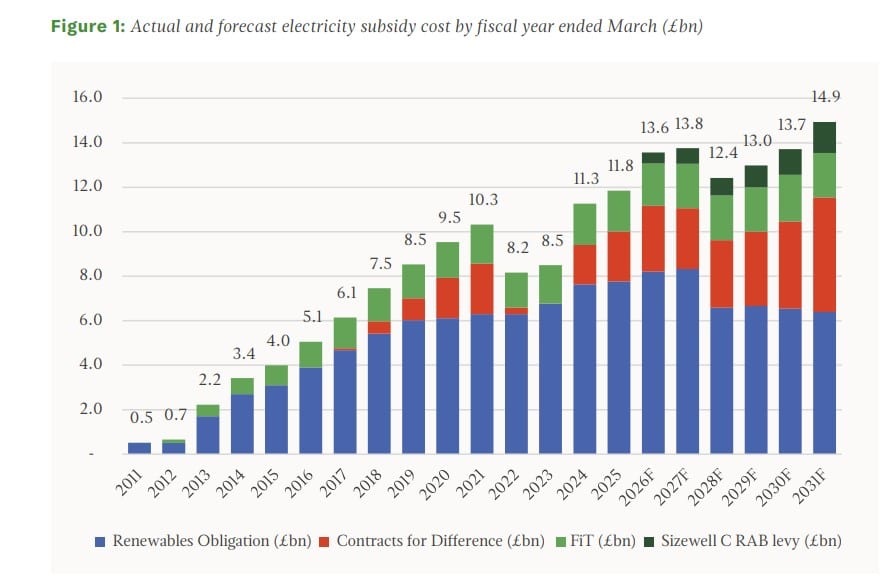
A report from the Prosperity Institute estimates that plans to decarbonise the UK electricity system could cost taxpayers around £40 billion by 2030. The think tank said subsidies supporting wind, solar and nuclear power could rise from £11.8 billion to almost £15 billion by the end of the decade.
It also estimated that upgrading the electricity grid to handle a larger share of renewable energy could cost around £25 billion. The analysis does not include other climate-related spending areas such as carbon capture and storage or green hydrogen projects. The institute calculated that these costs could represent more than £1,400 per household each year.
Government advisers estimate a lower cost
The figures are higher than estimates from the Climate Change Committee (CCC), the UK’s independent climate advisory body. The CCC has estimated that reaching net zero could cost around £4 billion per year.
The UK Government has committed to reaching net zero by 2050, meaning the country aims to balance the greenhouse gases it releases with the amount removed from the atmosphere. The target forms part of a global effort involving almost 200 countries to reduce emissions and limit climate change.
Debate grows over affordability and energy security
The Prosperity Institute argues that current spending plans could put pressure on public finances and create economic risks. The organisation has called for changes to energy policy, including reviewing renewable energy contracts and reducing subsidies.
It also argues that the expansion of renewable energy has increased electricity system costs. Other analysts disagree with this assessment and say moving away from fossil fuels could reduce costs over time by limiting the UK’s reliance on imported gas.
Supporters say renewable investment could reduce future risks
The Climate Change Committee has argued that the cost of achieving net zero should be compared with the financial risks of continuing dependence on fossil fuels. The organisation has said that international energy shocks, including conflicts affecting global gas markets, have contributed to higher household energy bills in recent years.
It has also warned that some calculations against net zero may not fully account for the future cost of buying fossil fuels if the transition is slowed. Government faces challenge of balancing climate goals and household costs
The debate over net zero reflects a wider policy challenge: reducing emissions while managing the financial pressure on households and businesses. Supporters of faster action argue that investment in renewable energy can provide greater energy independence and reduce exposure to international price changes.
Critics say the transition must take account of affordability and the effect on consumers. As the UK moves towards its 2050 target, the cost of the energy transition is expected to remain a major political and economic issue.