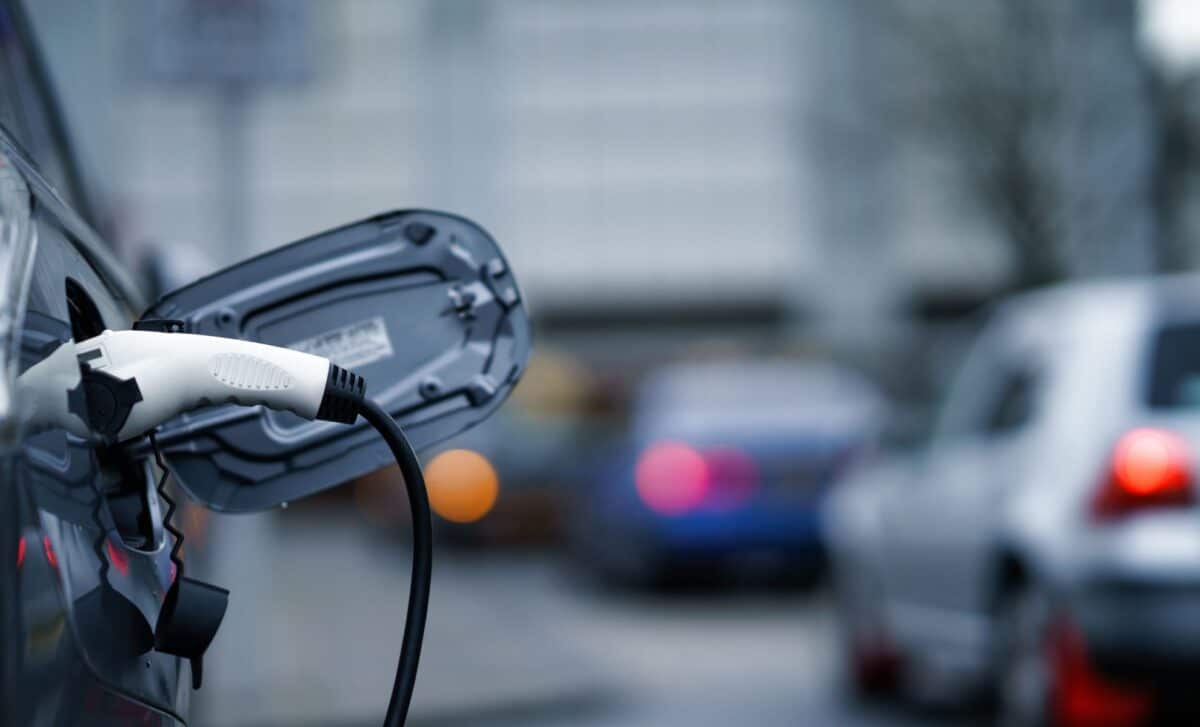
Electric vehicle drivers who cannot charge at home can pay more than £1,000 extra each year compared with motorists who mainly use domestic charging. Around £200 of that difference is now linked to VAT, after the UK removed VAT from household energy bills while retaining the standard 20 per cent rate on public charging.
The disparity has prompted renewed calls from the motor industry for changes to the tax treatment of public EV chargers. Campaigners argue that people who rely on on-street parking are being placed at a financial disadvantage compared with households that have private driveways and access to cheaper domestic electricity.
Public Charging Costs Widen the Gap for Drivers Without Off-Street Parking
According to figures cited by the Express from EV charging trade association ChargeUK, a typical driver who charges mainly at home pays more than £1,000 less per year than someone dependent on public charging. The calculation compares a driver using 80 per cent home charging and 20 per cent rapid charging with one relying entirely on public infrastructure, split between 80 per cent standard and 20 per cent rapid charging.
VAT now accounts for around £200 of that annual difference. Domestic energy has been subject to zero VAT since 1 October, following the removal of the previous 5 per cent charge on household energy bills. Public charging remains taxed at the standard 20 per cent rate. That distinction affects motorists who do not have access to private parking. ChargeUK estimates that around 10 million UK households cannot charge an electric vehicle at home.
Mike Thompson, chief operating officer at Leasing Options, said the difference could influence people considering a switch to an electric car. He said home charging remained one of the main financial benefits associated with EV ownership, particularly where drivers can charge overnight or use smart tariffs.
“For millions of households that rely on on-street parking, accessing those savings can be much more difficult,” Thompson said, adding that practical options such as pavement charging were part of the wider discussion about improving access.
He also said motorists should not be disadvantaged because they lack off-street parking, arguing that affordable charging options needed to be available regardless of property type.
Industry Groups Call for Equal VAT Treatment on Public EV Charging
ChargeUK has coordinated a letter calling on the Prime Minister to address what campaigners describe as the “driveway divide”. According to the Express, signatories include EVA England, EVA Cymru, the AA, Autotrader and the FairCharge campaign.
Shane Brennan, chief executive of ChargeUK, welcomed the removal of VAT from domestic electricity but said it had widened the difference between motorists able to charge at home and those using public infrastructure.
“Cutting VAT on home electricity is the right call at the right time,” Brennan said. He added that retaining the 20 per cent rate on public charging would “entrench the driveway divide” for existing and prospective EV drivers.
The tax treatment of public charging has also been challenged separately through the courts. Earlier this year, a First-tier Tribunal case involving community charging operator Charge My Street and HMRC ruled that public EV charging should qualify for the lower “de minimis” VAT rate, which at the time was 5 per cent.
HMRC subsequently maintained its position that the 20 per cent rate applies and confirmed that it was appealing the decision. For drivers without access to home charging, the issue therefore extends beyond the underlying price of electricity. The figures presented by ChargeUK show that taxation forms part of a wider cost difference between private and public EV charging, leaving households reliant on public infrastructure paying substantially more over the course of a year.