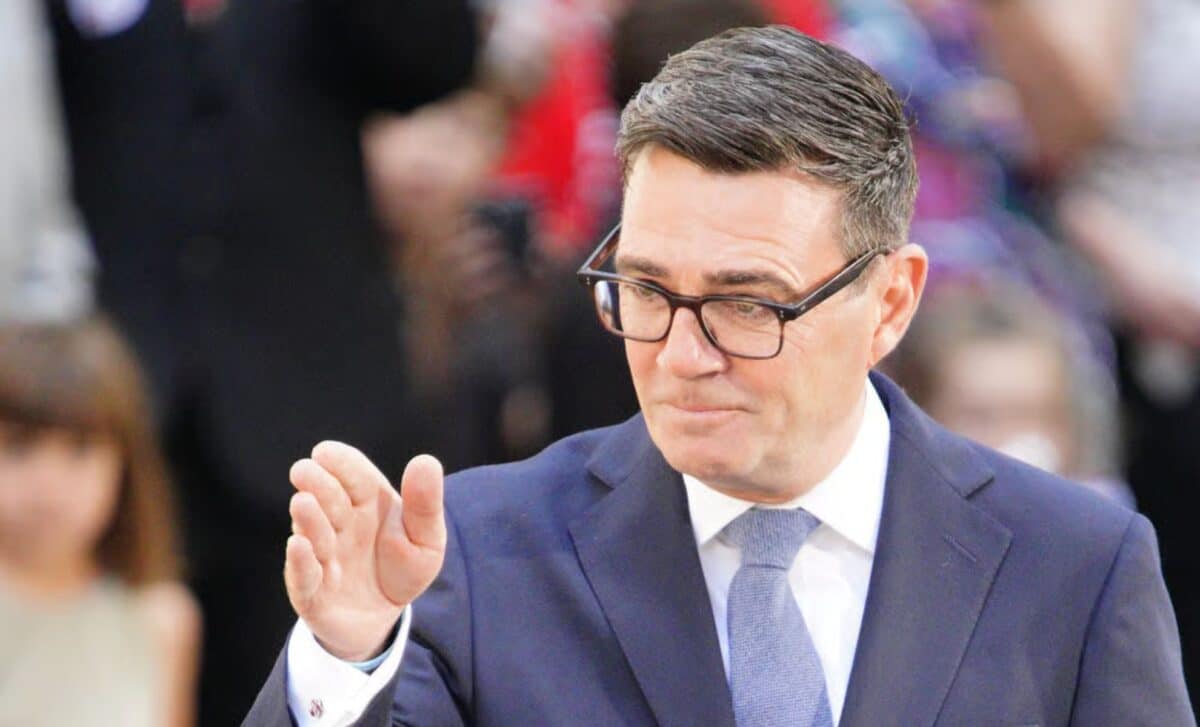
The government plans to change the state pension triple lock from 2030, with Andy Burnham saying the new system would be “fairer” for pensioners and younger workers. The state pension would still rise each year under the proposed arrangement, with inflation, earnings and a minimum increase continuing to shape future payments.
State Pension Will Keep Rising After 2030
The current triple lock means the state pension rises each year by whichever is highest: inflation, average earnings growth or 2.5%. According to Burnham, that system will remain in place until the end of the current Parliament.
After 2030, the government plans to change the mechanism while keeping an annual increase for pensioners. Burnham said future payments would rise by at least inflation or 2.5%, whichever is higher, while earnings would still form part of the calculation.
Government Says New System Would Be Fairer
Burnham has described the proposed change as a way of creating a fairer balance between pensioners and younger generations. The state pension is funded largely through taxes paid by people who are currently working.
Supporters of changing the triple lock argue that its cost can place pressure on younger taxpayers as the number of pensioners grows. The government is also considering the wider cost of supporting older people, including healthcare and social care.
Pensioners Would Still Have Protection Against Inflation
Under the proposal described by Burnham, pensioners would continue to have protection against rising prices. The planned system would retain a link to inflation or 2.5%, while earnings would also remain part of the framework.
This means the state pension would continue to rise rather than being frozen. The exact formula that will apply from 2030 has yet to be set out in full.
Pensioners Debate The Proposed Change
Responses from pensioners have been mixed. One commenter argued that it would be fairer to give pensioners the living wage and link future increases to MPs’ pay rises.
Another said the proposal represented a reasonable compromise between current pensioners and younger people who will finance future pensions.
A third commenter said the change could help support the NHS, arguing that a functioning care system is also needed.
Triple Lock Change Comes Amid Wider Spending Pressures
The pension system is facing long-term financial pressure as the UK’s population ages. More people are reaching state pension age, while the number of workers paying into the system is also an important factor in the finances of state pensions.
The government has therefore been examining how pension increases should work in the years ahead.
The proposed change from 2030 forms part of a wider debate about how the state pension should be funded while keeping payments rising for older people.
What The Change Means For Future Pensioners
People approaching state pension age will still see their payments rise under the proposed system. The key change would be the way future increases are calculated from 2030 onwards.
The government has not yet provided all the details needed to calculate how individual pension payments would compare with the current triple lock over the long term.
For current and future pensioners, the proposal signals a change in how the state pension will be linked to inflation, earnings and the minimum annual increase.