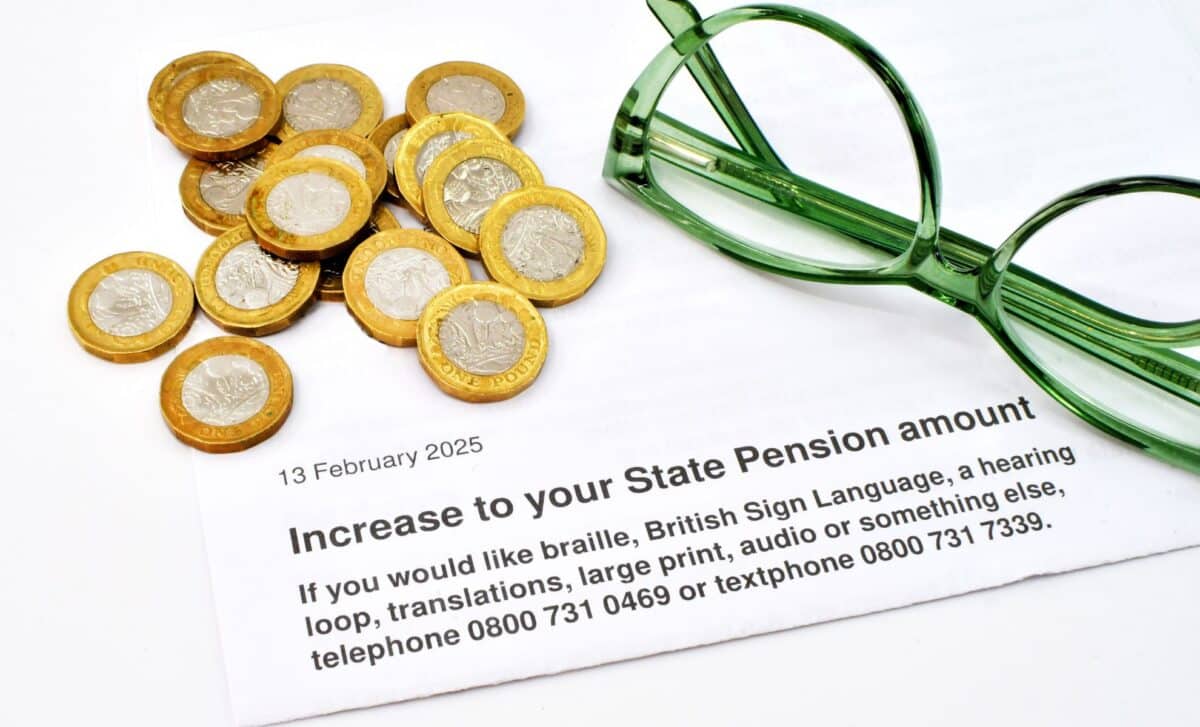
Nine million state pensioners have been sent income tax bills as the number of older people paying tax reaches 9.6 million in the 2026/27 tax year. The figures come despite a government commitment that pensioners relying only on their state pension will not pay income tax.
The policy, originally announced by former Chancellor Rachel Reeves and now supported by Prime Minister Andy Burnham and Chancellor John Healey, aims to protect pensioners who have no additional income from private pensions, savings or property. The commitment comes as the state pension rises under the triple lock system and more pensioners are affected by existing tax thresholds.
Pensioner Tax Numbers Rise as Allowances Remain Frozen
New figures show that the number of pensioners paying income tax has increased from 8.8 million in the previous tax year to 9.6 million in 2026/27. This follows a rise from 7.1 million two years earlier, according to figures reported in relation to HMRC income tax data.
Steve Webb, partner at LCP and a former pensions minister, said the increase was linked to frozen tax thresholds and allowances. “The constant freezing of tax thresholds and allowances has dragged millions more people into paying higher rates of income tax,” he said.
He added that frozen personal allowances had also contributed to a significant rise in the number of pensioners paying tax, with the tax bill affecting older people increasing substantially.
The current personal allowance remains at £12,570, meaning income above this level is normally subject to tax. The government’s stated exemption is intended to apply to people whose only income is the full new or basic State Pension without any increments.
According to HM Treasury, anyone in that situation will not pay income tax on their state pension, and the government remains committed to the policy throughout the current Parliament.
Charity Raises Concerns Over How Exemption Will Work
While the exemption has been welcomed by Independent Age, the charity has raised concerns about how it will operate across different pension situations. The organisation said some pensioners with low incomes could still face difficulties if they receive a small private pension alongside their state pension.
Morgan Vine, director of policy and influencing at Independent Age, said the exemption was a positive step but added that questions remained about implementation. She said different versions of the state pension system could mean some people receiving similar amounts of money are treated differently depending on whether they have a small additional pension.
According to Independent Age, some older people already face financial pressures, including difficult choices around household spending. The charity has called for clarity from the government on how the exemption will apply so that low-income pensioners are protected.
Rachel Reeves first announced the policy before leaving her role as Chancellor, explaining on ITV1’s Martin Lewis Money Show Live that pensioners with no income other than their state pension would not be required to pay income tax.
The announcement followed an earlier statement that referred to preventing “small amounts of tax via self-assessment”, which was later clarified to mean no income tax would be charged in those circumstances. The government has also highlighted that maintaining the triple lock will increase pension incomes. According to HM Treasury, 12 million pensioners will see their income rise by up to £470 this year while continuing to benefit from the personal allowance system.