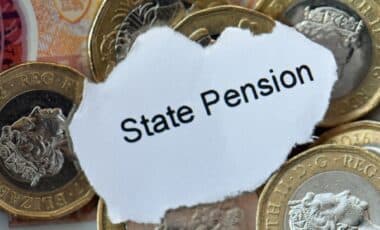

The UK is currently facing significant financial pressures, particularly concerning the sustainability of the state pension system. A growing ageing population, along with rising costs associated with social welfare, has prompted discussions among experts about necessary reforms. These discussions have led to proposals such as raising the state pension age and reassessing the Triple Lock system.
According to reports from the Birmingham Mail, changes in the pension system could play a key role in managing public finances effectively. This article will explore the current challenges surrounding the state pension, including the financial burden and potential changes on the horizon.
Raising the State Pension Age to 70
One of the most significant proposals being discussed is the increase in the state pension age to 70. Currently, the state pension age for both men and women is set to rise to 67 by 2028. However, many believe that an even further increase to 70 is necessary to balance the books. Financial experts like Samuel Mather-Holgate argue that the state pension system is “ripe for squeezing,” suggesting that a rise in the pension age is inevitable.
Raising the pension age would mean people would have to work for a longer period before becoming eligible for their pension. This change is driven by the fact that people are living longer, meaning the government must manage the increasing costs associated with longer life expectancies. Moreover, the state pension system must be reformed to avoid becoming financially unsustainable, particularly as the number of pensioners continues to rise.
While this proposal has gained traction in some quarters, it’s not without opposition. Critics argue that for people in physically demanding jobs, working until 70 may be unrealistic. The debate about raising the state pension age is likely to intensify as the government prepares for upcoming budgets.
The Triple Lock Under Review
The Triple Lock on pensions, which guarantees the highest of three measures – inflation, average earnings growth, or 2.5% – has been a cornerstone of the UK’s pension system. However, it has also been identified as a significant financial burden on the government. According to the Office for Budget Responsibility (OBR), the Triple Lock will add £22.9 billion to annual state pension spending by 2029-30.
Many experts believe that reforming or even abolishing the Triple Lock is crucial for controlling public spending. Professor Joe Nellis, an economic adviser, stated that the “increasing cost of the Triple Lock” is unsustainable, especially as the UK’s population ages. The policy has been hailed as generous, but at a time when government spending needs to be managed more tightly, the rising cost of the Triple Lock could become a major point of contention.
In its latest report, the OBR mentioned that the period since 2012 has seen more volatile inflation and lower earnings growth than the two decades prior to the Triple Lock’s introduction, which has contributed to the rising costs. This issue has led many experts, including Mather-Holgate, to suggest that changing or scrapping the Triple Lock could save a significant amount of money, but this remains a politically difficult issue due to the strong voting bloc of older citizens who benefit from it.
Government’s Tough Choices
With the ongoing financial pressures on the state pension system, the government faces tough choices. In addition to the debate over the pension age and the Triple Lock, broader changes may be needed to ensure the sustainability of public finances. This could include further cuts to government departments or increasing taxes.
Samuel Mather-Holgate pointed out that the markets have already anticipated reforms on pensions and that these changes are unlikely to provoke a negative market reaction as long as they are implemented with moderation in other areas. However, another expected measure at the Autumn Budget is a new round of tax rises. The freeze on income tax brackets, for example, would effectively act as a “stealth tax” on workers whose salaries increase with inflation but not in real terms. This would push some workers into higher tax brackets, leading to an increase in their tax burden.
Despite the political unpopularity that a Government already reeling from a backtrack on the Winter Fuel Allowance can barely afford, they must review the long-term sustainability of the policy – said Professor Joe Nellis, an economic adviser.
Whether this comes at the Autumn Budget this year remains to be seen. Cuts to unprotected Government departments will happen but can only raise so much, and the likelihood of any meaningful cuts to the ever-growing welfare state has declined following the rebellion in the Labour Party against the recent Welfare Bill.
What we are very likely to see at the Budget is another set of tax rises – Nellis continued.
The freeze on income tax brackets will continue, effectively acting as a stealth tax on workers jumping tax brackets through inflation-level rather than real-terms pay rises.
Despite these difficult decisions, experts agree that the government must review the long-term sustainability of the state pension system. The likelihood of significant cuts to the welfare state, particularly in light of recent Labour Party opposition to welfare reforms, is declining. As a result, it’s expected that the government will rely on further tax increases to balance the growing fiscal deficit.