
Millions of self-employed workers could face a major change to the way they pay tax, with the Government planning to bring forward payments for people with annual tax bills above £1,000. The changes are expected to affect around three million people, including tradespeople such as electricians, plumbers and builders.
Tax Payments Could Become More Frequent
From April 2029, self-assessment taxpayers with more than £1,000 to pay each year are expected to make automated payments throughout the year. The Government has not yet confirmed how frequently those payments will be required.
At present, many self-employed workers pay their tax in two instalments, normally on January 31 and July 31. Under the planned system, tax would be collected earlier and more regularly.
Who Could Be Affected?
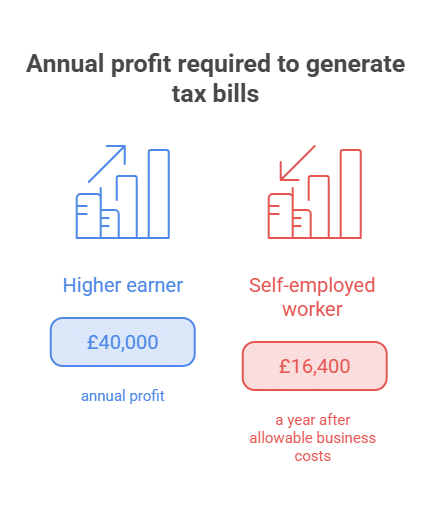
The £1,000 threshold means the change could reach self-employed people with relatively modest profits. According to the figures provided, a self-employed worker would need profits of around £16,400 a year after allowable business costs to generate a £1,000 tax bill.
Someone earning £40,000 in annual profit could face income tax and National Insurance of roughly £7,130. If payments were collected monthly, that would work out at around £600 a month, although the Government has not yet confirmed a monthly payment schedule.
Government Says The Change Is Not A Tax Rise
The Treasury argues that the reform will bring tax payments forward rather than increase the amount of tax owed. The policy is designed in part to reduce the tax gap, which is the difference between the tax that should be collected and the amount actually paid.
The Government estimates the change could raise an additional £1.3 billion in 2029-30 and around £1.8 billion a year by 2031-32. Tax experts have pointed out that earlier payments would also reduce the time workers have to hold money set aside for their tax bills.
Tradespeople Warn Of Cashflow Pressure
Business groups have raised concerns about the effect on small firms and self-employed workers whose income can vary substantially throughout the year.
Brian Berry, from the Federation of Master Builders, warned that builders could face pressure if tax payments arrive before customers pay their invoices or if most of their income comes during particular periods.
The Institute of Employment Rights? [sic] No — IPSE, which represents self-employed professionals, has also raised concerns about financial reserves.
Josh Toovey of IPSE said research showed that around a third of self-employed people have less than three months of essential living costs in savings.
HMRC Could Also Gain New Debt Recovery Powers
A separate change is planned from July 2029, when HMRC is expected to receive new powers to recover certain lower-value tax debts directly from bank accounts.
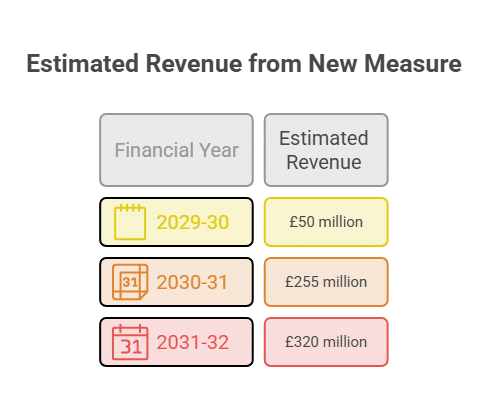
The Government estimates this measure could raise around £50 million in 2029-30, rising to £255 million in 2030-31 and £320 million in 2031-32. The new powers are expected to affect self-assessment workers from 2030.
How Self-Employed Workers Can Prepare
For workers whose income varies from month to month, keeping money aside for tax remains particularly important. One practical approach is to transfer part of each payment received into a separate savings account dedicated to tax.
Business expenses can also reduce taxable profits where they qualify under HMRC rules. For business mileage, HMRC currently allows 45p per mile for the first 10,000 business miles and 25p thereafter. From April, the rate above 10,000 miles is due to rise to 35p per mile.
The planned reforms do not change the amount of tax that workers owe under the existing rates, but they could change when that money has to leave their accounts. For self-employed people with uneven income, that cashflow change could be as important as the tax bill itself.