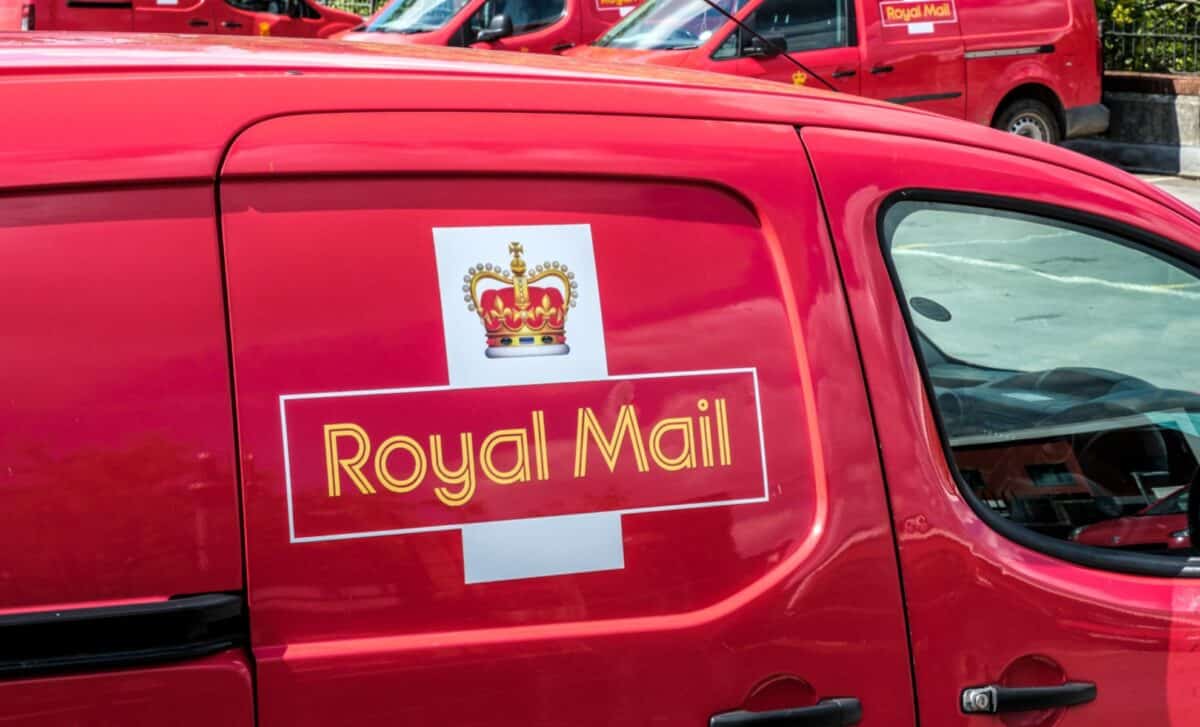
The price rises will affect access-mail operators such as UK Mail, Whistl and Citipost, which process large quantities of post before Royal Mail completes the final-mile delivery. The move comes as the company says it faces higher operating costs while maintaining a nationwide postal network.
The increase is expected to affect major users of postal services, including businesses, public sector organisations and the NHS. According to the Guardian, the NHS spent at least £100m on sending letters by post in 2024, meaning the new tariffs could add several million pounds to its costs.
Royal Mail said the changes were needed to reflect the cost of running its postal network. In a letter signed by Richard Travers, managing director for letters in Royal Mail’s wholesale business, the company said: “The financial challenge of maintaining the UK’s nationwide postal network supported by 130,000 colleagues remains significant, and we are facing rising costs across our operation, including fuel and labour.”
Bulk Mail Services Face the Largest Increases
The new tariffs will vary depending on the type of service and size of item. The largest increase will affect economy bulk mail for letters weighing up to 100g, with prices rising by 36.1%. This service is used for less urgent mail that is delivered within five days.
Standard access advertising mail for large letters weighing between 101g and 250g will rise by 11.4%, according to the Guardian. These services are used by organisations sending large volumes of customer communications, including marketing letters, catalogues, bills and other correspondence.
The Mail Users’ Association described the changes as “unprecedented” and said they would place additional financial pressure on organisations that rely on postal communication. Its members include financial services companies and large mail producers.
Retailers and other businesses using direct mail may review how they use postal campaigns as costs increase. Physical mail remains a communication method used by some organisations to reach customers who do not rely fully on digital channels.
Royal Mail said wholesale customers would still receive lower prices than consumers paying equivalent rates. The company added that it had worked to reduce the effect of the changes on customers.
Royal Mail Points to Falling Mail Volumes and Rising Costs
Royal Mail said declining letter volumes had increased the cost of maintaining its delivery network. According to the company, access-mail volumes have fallen from 6.3bn items a year in 2019-20 to around 4.2bn currently, while the number of addresses it serves has risen to 32 million.
The postal operator has also faced financial pressure in recent years. Royal Mail said it had recorded losses of almost £800m over the past four years and that its finances remained below the level Ofcom considers compatible with a financially sustainable universal service.
The price changes come as Royal Mail continues to face scrutiny over delivery performance. According to the Guardian, Ofcom launched a further investigation in June after almost a quarter of first-class mail arrived late in the year to March. The regulator has fined the company £37m since 2023 over failures to meet delivery targets. Royal Mail, which has been owned since April 2025 by Czech billionaire Daniel Křetínský, said the new prices were necessary to support the cost of providing a reliable nationwide postal service.