Retail sales in Great Britain increased more than expected in March, driven largely by a sharp rise in fuel purchases following the outbreak of war involving Iran. Official data shows that consumers responded quickly to rising petrol and diesel prices, pushing overall sales volumes higher despite broader economic uncertainty.
The figures offer one of the first clear indications of how households reacted to the geopolitical shock. While spending remained resilient in some areas, there are early signs that confidence has weakened as higher energy costs begin to weigh on consumers.
Fuel Buying Surge Drives Unexpected Growth
Retail sales volumes rose by 0.7% in March, exceeding forecasts of a modest 0.1% increase, according to the Office for National Statistics. This marked a recovery from a revised 0.6% decline in February and was largely attributed to a surge in fuel demand.
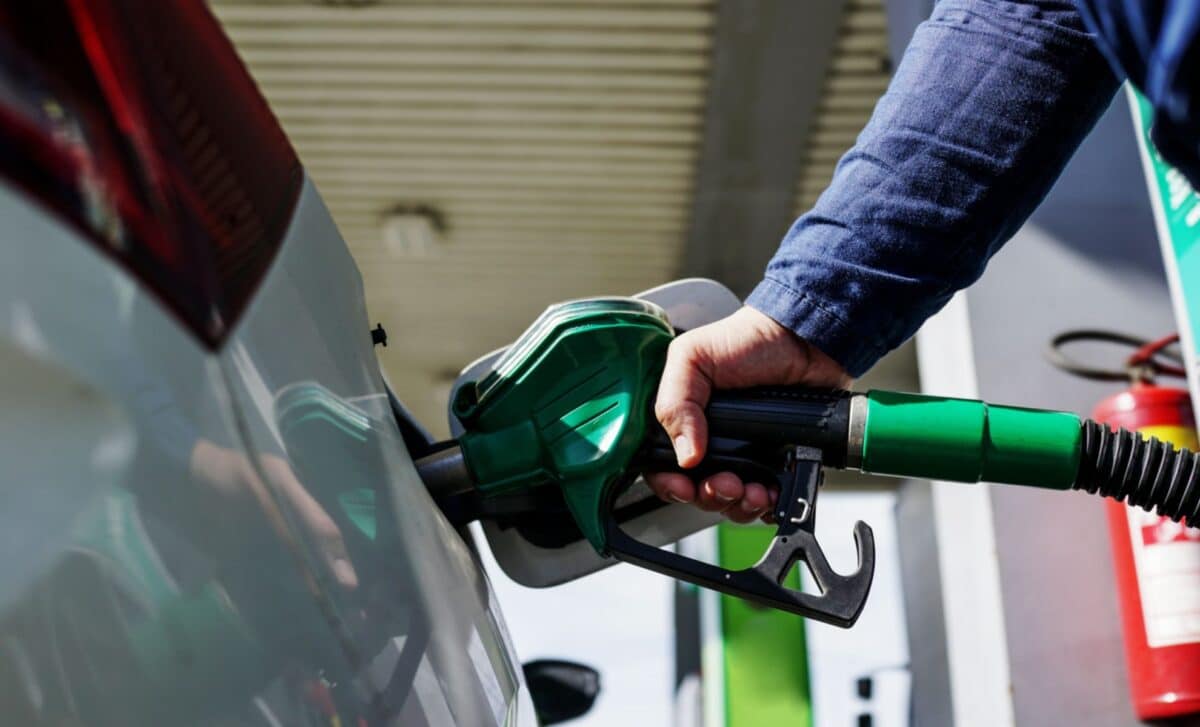
Fuel sales volumes jumped by 6.1% over the month, reaching their highest level since 2021. According to the ONS, this increase reflected heightened purchasing in the days following the start of the conflict, as motorists sought to fill their tanks before further price rises. The value of fuel sales rose even more sharply, climbing by 11.6% as prices escalated.
Analysts linked this behaviour to concerns over supply disruptions and rising costs. Susannah Streeter, an investment strategist, said motorists had rushed to buy fuel in an attempt to save money and guard against shortages. According to Reuters, this represented the largest monthly increase in fuel sales outside the pandemic period since 2016.
Excluding fuel, retail sales still rose by 0.2% in March, indicating that consumer spending did not immediately contract in response to the crisis. Economists noted that households may have reduced savings rather than cutting back on other purchases to accommodate higher fuel costs.
Mixed Performance across Retail Sectors as Confidence Weakens
Beyond fuel, the retail landscape showed a more varied picture. Clothing, textile and footwear sales increased by 1.2%, supported in part by improved weather conditions. Department stores also reported a 1.1% rise in sales volumes.
In contrast, food retailers experienced a decline. Supermarket and food store sales fell by 0.8% over the month, marking the only major sector to record a drop. According to the ONS, this was the largest fall in food sales since August of the previous year.
Despite the overall rise in retail activity, indicators suggest that consumer sentiment has deteriorated. According to data from GfK, confidence fell by four points to -25 in April, the lowest level since 2023. This decline reflects growing concern over rising living costs and the broader economic impact of the conflict.
Business surveys point to mounting pressure on firms as well. According to S&P Global, service sector companies experienced the steepest increase in costs since 1996 between March and April. At the same time, more than a quarter of businesses expect to raise prices in the near term, highlighting the risk of further strain on household budgets.
Economists and retail analysts have cautioned that March’s figures may not signal a sustained trend. According to Capital Economics, the boost from fuel purchases is unlikely to be repeated, while weakening confidence could lead to reduced discretionary spending in the months ahead.