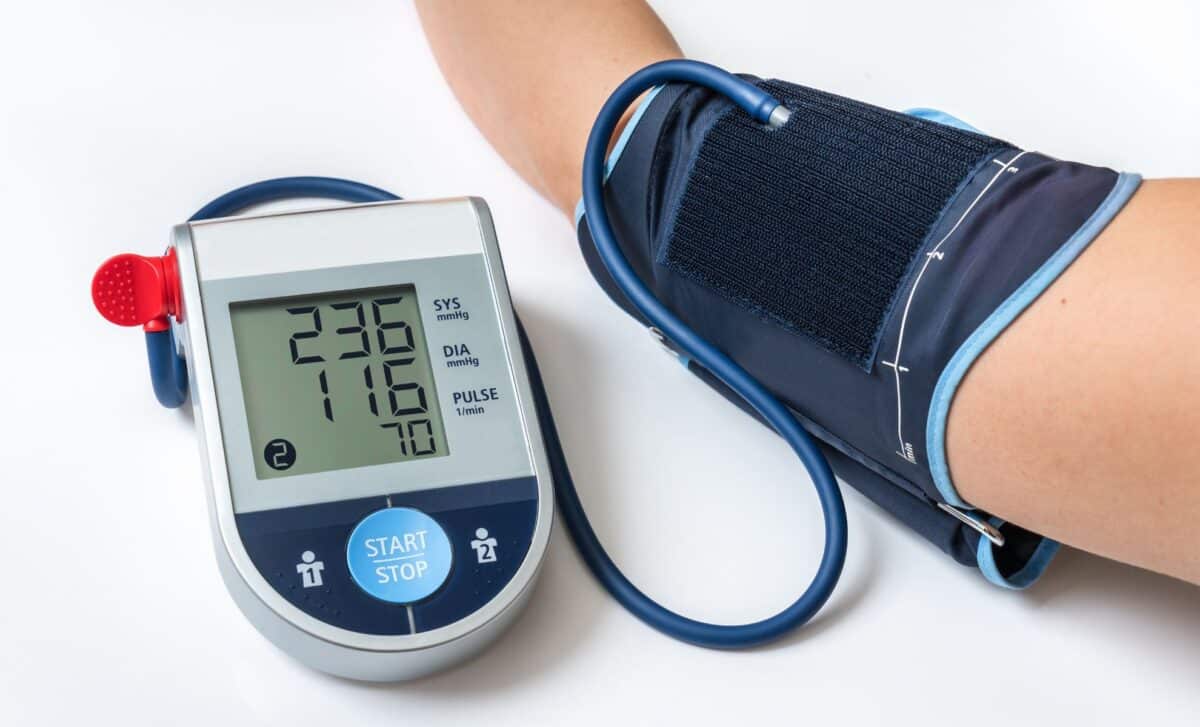
A diagnosis of hypertension does not automatically qualify someone for financial assistance. Eligibility depends on the difficulties caused by the condition and an assessment of individual needs. According to the Daily Express, 1,684 people with hypertension recorded as their primary disabling condition were receiving the enhanced rates of both PIP components as of 31 July 2026.
How High Blood Pressure Can Affect Eligibility for PIP
High blood pressure, also called hypertension, is common in the UK, particularly among older adults. The condition often develops without noticeable symptoms, meaning many people are unaware they have it until their blood pressure is measured.
According to the NHS, hypertension can increase the risk of serious health problems, including heart attacks and strokes. Although it usually causes no symptoms, some people may experience headaches, blurred vision or chest pain. The condition can also place additional strain on the heart, blood vessels and organs such as the kidneys, brain and eyes.
Blood pressure is recorded using two figures, such as 130/80. A reading of 140/90 or above when measured by a healthcare professional, or 135/85 or above when measured at home, is generally considered high.
For PIP purposes, the diagnosis itself is not the deciding factor. Applicants must have a long-term physical or mental health condition or disability that makes certain everyday tasks or getting around difficult. These difficulties must also be expected to last for at least 12 months from when they began.
The benefit is divided into two components. The daily living component considers activities such as preparing food and washing, while the mobility component assesses difficulties associated with moving around and travelling.

How Much Financial Support Is Available and Who Can Claim
According to Birmingham Live, people who qualify for the enhanced rates of both PIP components could receive £10,119.20 annually under the 2026/27 payment rates. The standard daily living rate is £76.70 per week, rising to £114.60 at the enhanced rate. For mobility, the standard rate is £30.30 weekly, while the enhanced rate is £80.
Someone awarded both enhanced components would therefore receive £194.60 per week. As PIP is normally paid every four weeks, this represents £778.40 per payment, equivalent to an average of £843.27 per calendar month across 13 annual payments.
PIP is generally available to people aged 16 or over who have not yet reached State Pension age. Existing recipients can continue receiving payments beyond that age, although new claims generally cannot be made afterwards.
The arrangements also vary across the UK. Scotland has replaced PIP with Adult Disability Payment (ADP), which operates under broadly similar eligibility criteria. Northern Ireland continues to provide PIP under rules that largely correspond with those elsewhere in the UK.
Ultimately, the amount awarded depends on an assessment of how significantly an individual’s condition affects their ability to manage daily activities and mobility, rather than the presence of high blood pressure alone.