
People receiving PIP and other disability benefits who permanently move from England or Wales to Scotland must now take action to continue receiving financial support, following changes to the benefits transfer system. The Department for Work and Pensions (DWP) has confirmed that affected claimants may need to submit a new application or contact Social Security Scotland rather than relying on an automatic transfer.
Which disability benefits are affected by the new rules?
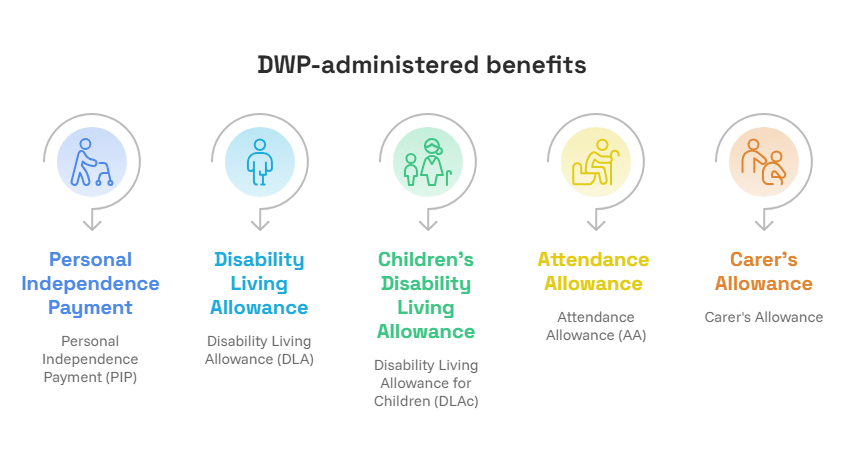
The changes apply to people receiving several DWP-administered benefits who permanently relocate to Scotland. These include:
- Personal Independence Payment (PIP)
- Disability Living Allowance (DLA)
- Disability Living Allowance for Children (DLAc)
- Attendance Allowance (AA)
- Carer’s Allowance
The Scottish Government has introduced replacement benefits administered by Social Security Scotland.
What happens to PIP and other disability payments?
People receiving Personal Independence Payment (PIP) who move permanently to Scotland need to apply for Adult Disability Payment (ADP) through Social Security Scotland.
Other disability benefits also have Scottish equivalents: Attendance Allowance is replaced by Pension Age Disability Payment, Disability Living Allowance for Children (DLA) by Child Disability Payment, Carer’s Allowance by Carer Support Payment, and Adult Disability Living Allowance by Scottish Adult Disability Living Allowance.
People receiving Attendance Allowance who move from England or Wales must submit a new claim for Pension Age Disability Payment, while those receiving DLA should contact Social Security Scotland to discuss their entitlement to the relevant Scottish benefit.
Claimants urged to apply as soon as they move
The DWP and Social Security Scotland are urging people to start the transfer process as soon as possible after relocating. Before applying for Scottish benefits, claimants must notify the DWP or the Department for Communities in Northern Ireland about their move.
The timing matters because applications can take time to process, potentially creating a gap between payments from the two welfare systems. For certain benefits, the DWP or Northern Ireland’s Department for Communities will continue payments for 13 weeks after the move to Scotland.
This transitional period gives claimants time to arrange their new applications.
Some payments could be backdated
People whose applications for Scottish disability benefits are successful may qualify for backdated payments. Depending on their circumstances, payments could be backdated to the day after their previous DWP benefit ended.
This means claimants should not assume that a delay in processing automatically means they will lose all the money due during the transition. The outcome will depend on the benefit concerned and the individual’s eligibility.
How to contact Social Security Scotland
Social Security Scotland has published guidance for people moving to Scotland and needing to transfer their disability benefits. Its Chief Operating Officer, Karyn Dunning, has encouraged disabled people and carers not to delay their applications.
She also highlighted the support available to claimants who need help understanding the new system. People can contact Social Security Scotland through:
- Telephone: 0800 182 2222
- Website: mygov.scot – Moving to Scotland
- Webchat and face-to-face appointments with community-based advisers.
What claimants should do before moving
Anyone receiving disability benefits who plans to relocate permanently from England or Wales to Scotland should check which Scottish benefit applies to their circumstances.
They should also notify their existing benefit provider and contact Social Security Scotland promptly after moving.
Taking these steps early can reduce the risk of payment interruptions and help ensure that eligible claimants continue receiving the financial support they are entitled to.