According to the Express, which published a list of 10 available schemes, eligibility depends on individual circumstances rather than PIP entitlement alone. Factors including disability, income, location and the mobility component awarded can determine which discounts or grants a claimant receives.
Home Adaptation Grants and Household Discounts Could Reduce Major Expenses
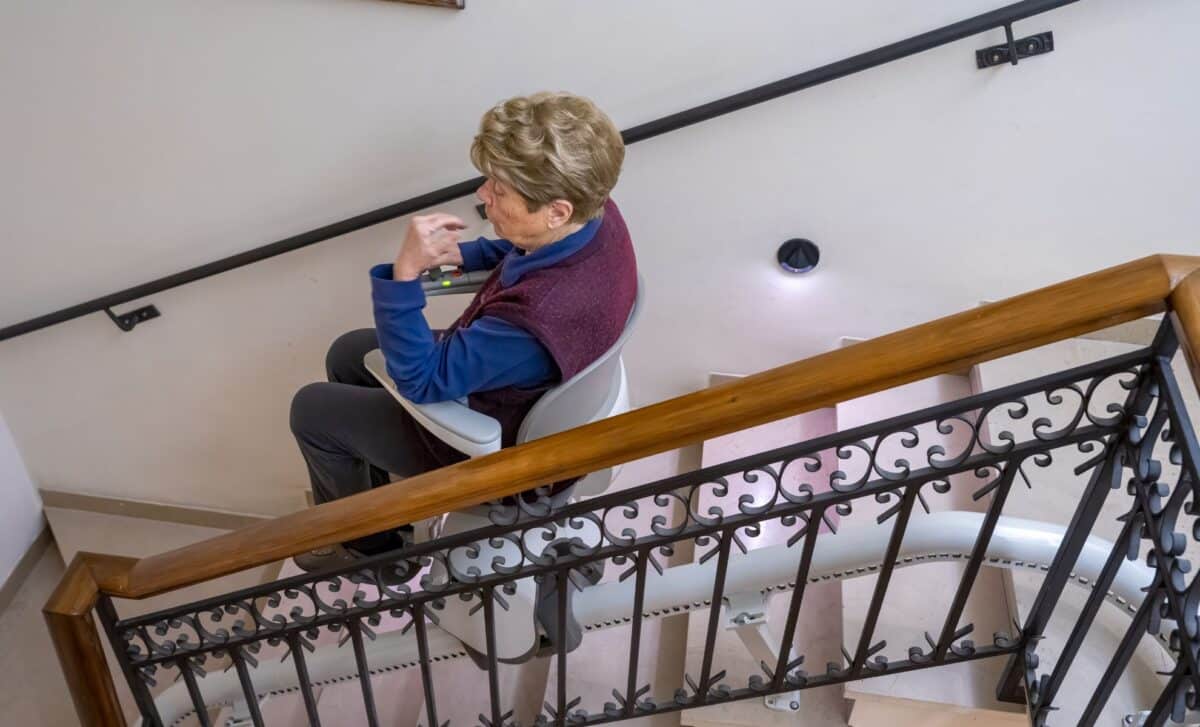
The Disabled Facilities Grant provides financial assistance for people who need modifications to their homes because of a disability. Eligible improvements include stairlifts, wheelchair ramps, wider doorways and accessible bathrooms.
The maximum available grant is £30,000 in England, £36,000 in Wales and £25,000 in Northern Ireland. Local councils assess whether proposed adaptations are necessary and appropriate, while individual circumstances determine the amount awarded. Applicants should obtain council approval before beginning work.
Council Tax reductions offer another form of support. Under the Disabled Band Reduction Scheme, qualifying households generally pay the rate associated with the band immediately below their property’s existing classification.
Households already in Band A can receive a 17% discount. Eligibility may depend on needing additional space, such as an extra bathroom or sufficient room to use a wheelchair indoors. Separate Council Tax Reduction schemes can cover the entire bill for some low-income households, although receiving PIP does not automatically establish entitlement.
Other household savings include a 50% television licence discount for people registered blind or severely sight impaired. With a standard colour licence costing £180 from April 2026, eligible individuals pay £90.
According to the Express, certain disabled people can also receive VAT relief on qualifying equipment, including wheelchairs, stairlifts and adjustable beds. Some installation, maintenance and repair services are covered.
Free NHS prescriptions are available under separate eligibility rules, including qualifying medical conditions and low income. Prescriptions cost £9.90 per item in England, while they remain free in Scotland, Wales and Northern Ireland.
Transport Concessions and Mobility Support Offer Further Savings
Eligible disabled people can obtain free local bus travel through concessionary schemes. In England, the national scheme currently permits free journeys between 9.30am and 11pm on weekdays, alongside unrestricted travel at weekends and on bank holidays. From 1 April 2027, eligible disabled bus pass holders in England will be permitted to travel free at any time of day.
Rail passengers receiving PIP may qualify for a Disabled Persons Railcard, providing one-third off eligible fares for both the holder and an accompanying adult.
A one-year card costs £20, while three years costs £54. According to Railcard figures cited by the Express, holders saved an average of £132 annually, excluding the card’s cost, between April 2025 and March 2026. Eligibility expanded during 2026 to include Blue Badge holders, certain disabled bus pass holders and additional people with qualifying conditions.
PIP mobility awards can also provide vehicle tax relief. Standard-rate mobility recipients may receive a 50% reduction, while enhanced-rate recipients can qualify for full exemption on one eligible vehicle. Some claimants qualify for Blue Badge parking concessions, with badges costing up to £10 in England, £20 in Scotland and nothing in Wales.
Enhanced-rate mobility recipients may also access the Motability Scheme, exchanging their qualifying allowance to lease a vehicle, powered wheelchair or scooter. New applicants must have at least 12 months remaining on their award. Unlike the other discounts, Motability uses the claimant’s existing mobility allowance rather than providing additional money.