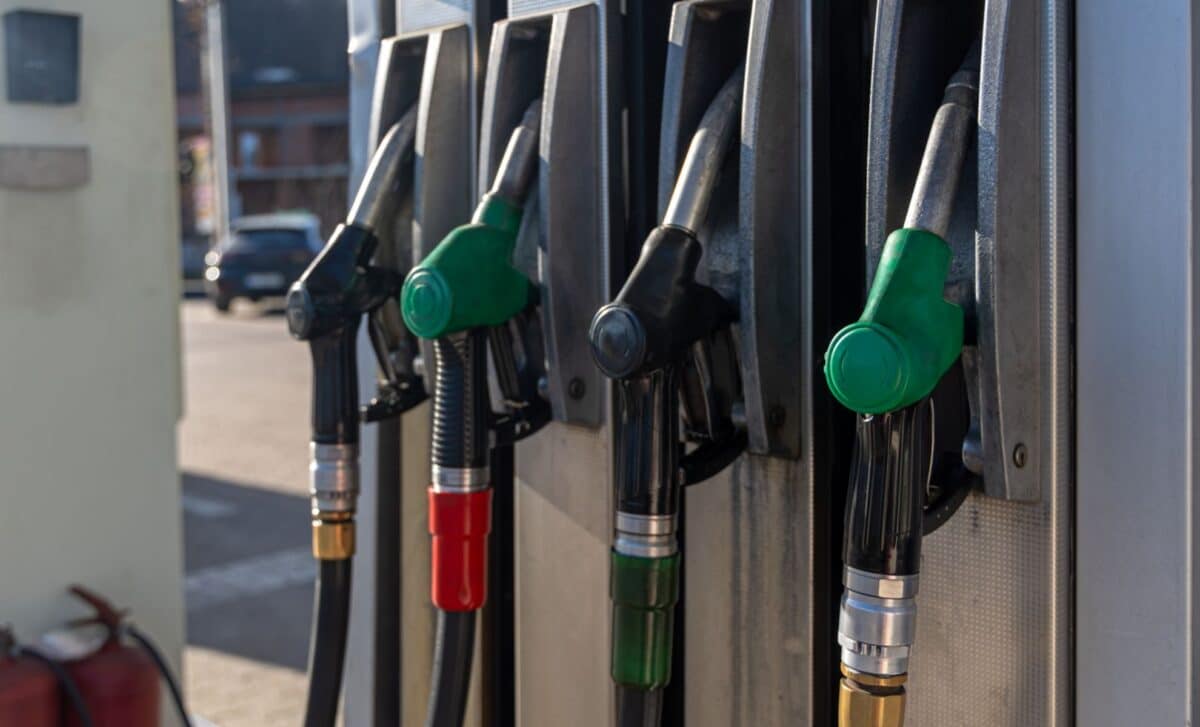
The timing is likely to affect households planning long-distance trips during the school holiday period. Fuel costs have risen just as millions of drivers are expected to take to Britain’s roads, adding to wider financial pressures linked to travel and household spending.
Petrol and Diesel Prices Rise across UK Forecourts
According to the RAC, the average price of unleaded petrol reached 160p a litre on Friday, up from 151p in early July after a Middle East ceasefire had helped ease market concerns. The latest figure is the highest recorded since November 2022, when fuel prices rose sharply following Russia’s full-scale invasion of Ukraine.
Diesel has increased by 14.5p to 179p a litre, although it remains below the 192p level recorded in April. Simon Williams, the RAC’s head of policy, said the increase meant filling a family-sized petrol car now costs about £88, while a full tank of diesel costs £10 more than before.
Williams said wholesale petrol prices had eased slightly during the week, but not enough to affect prices at forecourts. He also said diesel prices appeared likely to keep rising and could reach 185p a litre in the coming weeks unless oil prices fell significantly.
Fuel prices had declined after the United States and Iran reached a memorandum of understanding in mid-June. The agreement extended a ceasefire by 60 days, allowed trade through the Strait of Hormuz to resume and created time for further negotiations.
That period of reduced tension has since weakened. The United States has carried out further strikes against Iran in recent days, while Tehran has responded by targeting Washington’s allies in the Middle East.
Oil Disruption Adds Pressure during Holiday Travel Period
Brent crude rose by more than 1% on Friday to above $90 a barrel. The increase followed a statement from Iran’s Islamic Revolutionary Guard Corps saying it had struck two tankers attempting to pass through the Strait of Hormuz under a US air escort and had turned four other ships around.
The effect on UK drivers comes during one of the busiest parts of the summer travel season. According to AA polling, 20.5 million motorists are expected to use the roads during the third week of the holiday period. Among them, 2.2 million are expected to travel between 100 and 200 miles, while 1.5 million will cover between 200 and 300 miles. A further 1.3 million drivers are expected to travel even greater distances.
Luke Bosdet, an AA spokesperson, said the increase had arrived at a difficult time for households. He also noted that retail fuel prices appeared to have followed wholesale movements more closely since May, when the government introduced the Fuel Finder scheme.
The scheme requires petrol stations to report their prices publicly. According to Bosdet, enforcement may have encouraged faster changes at the pump, reducing the gap between wholesale price movements and the amounts charged to drivers.
Fuel retailers have previously faced criticism over so-called “rocket and feather” pricing, in which prices rise quickly when wholesale costs increase but fall more slowly when those costs decline. Bosdet said recent movements had been different, with pump prices responding more rapidly when wholesale prices fell from late May onwards.