
Octopus Energy has renewed its free electric blanket scheme for winter 2026, offering eligible UK customers a way to stay warm while potentially cutting their heating bills by hundreds of pounds.
Free Electric Blankets Return as Winter Heating Costs Loom
The energy supplier confirmed the initiative in an update published on October 20, according to The Mirror. The program provides electric blankets at no cost to customers facing financial hardship, with priority given to those whose health or mobility makes cold weather particularly difficult.
Octopus said the scheme aims “to support customers most in need, particularly people with really specific vulnerabilities and medical needs”.
The company has already distributed more than 110,000 electric blankets as of August 2026. Rather than offering them to everyone, it assesses individual circumstances to identify households likely to benefit most.
The initiative stems from a straightforward calculation: heating a person costs considerably less than heating an entire property.
How an Electric Blanket Could Save £300 a Year
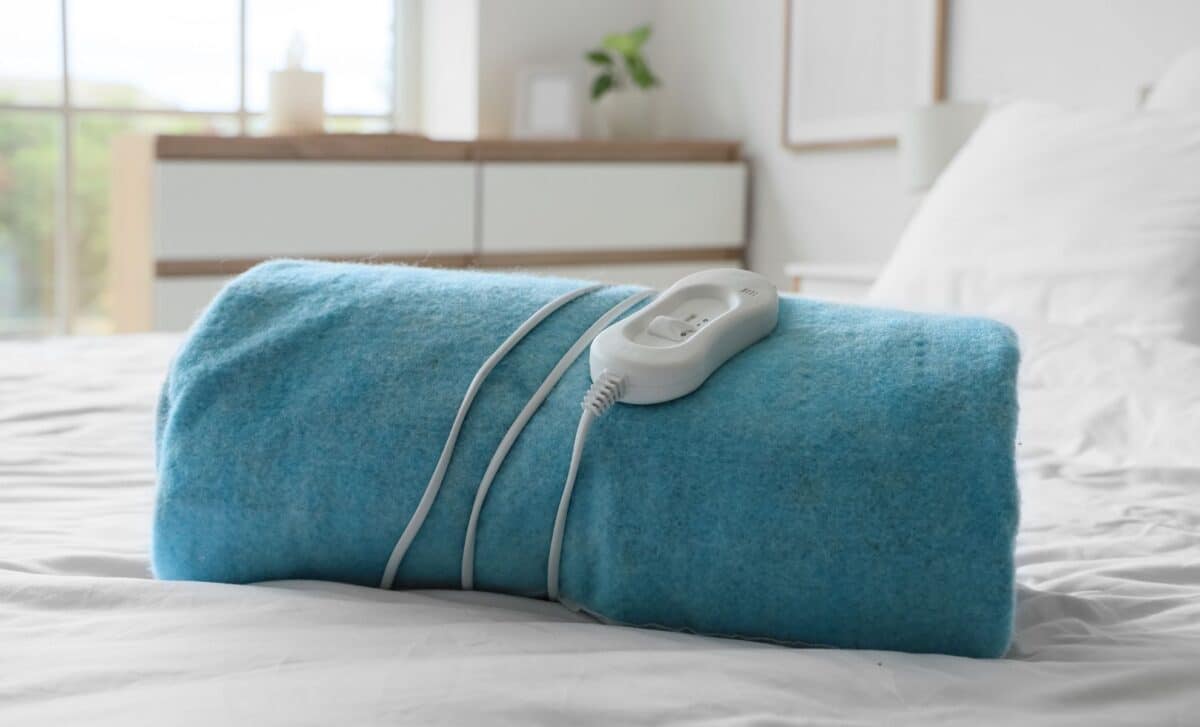
According to Octopus Energy, heating an entire home can cost around £4 per day, while an energy-efficient electric blanket costs approximately 2p to 4p per hour to operate.
The company explained:
“This means an electric blanket is a vastly more cost-effective way to stay warm: particularly for people with mobility issues, for example, and those who spend a lot of time in one spot. Or those with medical issues that mean they feel the cold more, or are more prone to illness.”
An analysis of participating customers found that winter energy bills fell by an average of 10% to 20% after they received a blanket. Octopus estimates that annual savings could reach £300, depending on household circumstances and heating habits.
The blankets typically retail for approximately £40 to £50, making them a relatively inexpensive alternative for people who spend extended periods in one room.
Who Qualifies for a Free Electric Blanket?
Eligibility focuses on elderly customers, people with limited mobility, and those living with medical conditions that increase their sensitivity to cold.
Octopus Energy outlined its priorities:
“We need to prioritise customers who’ll benefit most: the elderly and those with mobility issues or other medical conditions that mean they’re more impacted by the cold. These blankets start at around £40 and can save you £300 or more, so they’re really worth the investment. If you can consider buying one yourself, please do – there might be someone else out there who truly can’t afford to buy one. We are offering electric blankets to the most vulnerable homes. It is one electric blanket per household; this is so we can help as many people as possible.”
The one-blanket-per-household limit allows the supplier to distribute its available stock across more vulnerable homes.
How to Apply Through the Octo Assist Fund
Customers seeking a free electric blanket must first complete an application through the Octo Assist financial assistance tool.
Octopus reviews their account information and the circumstances provided before determining what support they may receive. Applicants can generally expect a decision within approximately one week.
Submitting an application does not guarantee a blanket, as distribution depends on eligibility and available resources.
Safety Advice for Customers Receiving a Blanket
Octopus recommends using the blanket as a heated throw, draped over the body rather than placed beneath a mattress sheet.
Users can initially select a high temperature setting before switching to medium for longer periods. The blanket should remain unfolded, with its electrical connector positioned near the feet and kept unobstructed.
The company also advises against leaving children unattended with the blanket and directs customers to London Fire Brigade safety guidance.
Electric blankets cannot replace all household heating needs. Octopus notes advice to maintain indoor temperatures above 15°C to reduce the risk of mould growth.
The blankets supplied through the scheme are not suitable for children under five years old.