
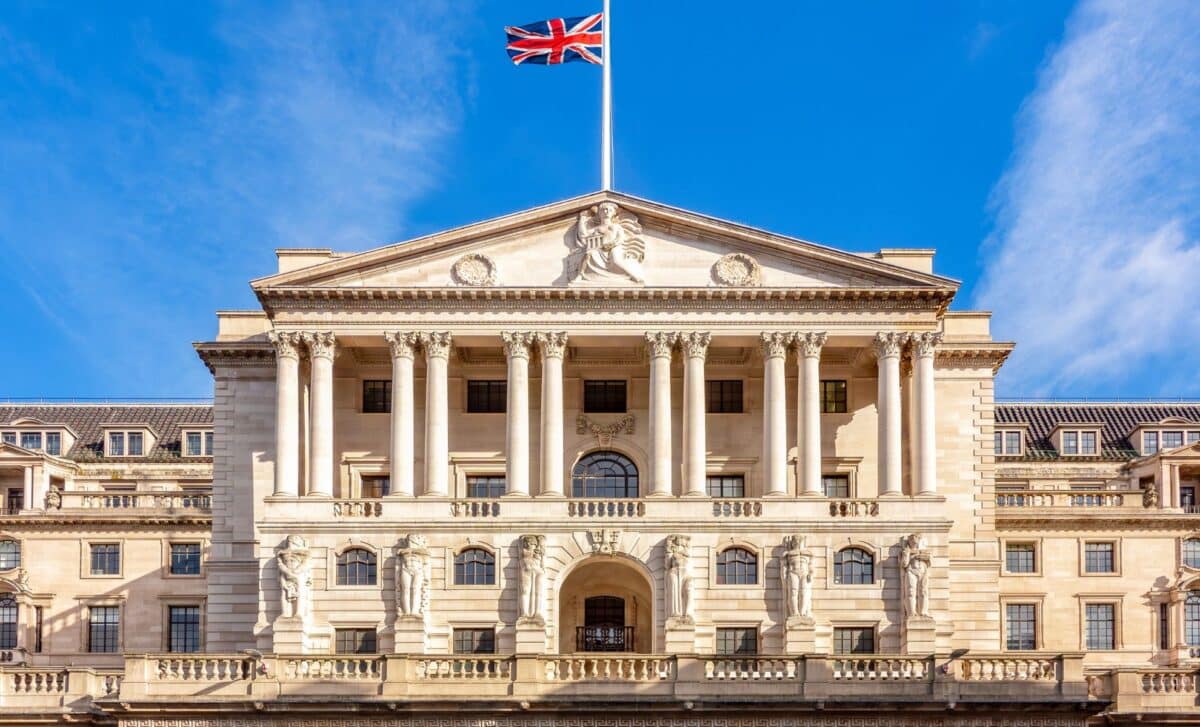
The Bank of England now expects around one million more UK homeowners to face higher mortgage repayments by the end of 2028 than it forecast only months ago. The change reflects the economic effects linked to the recent conflict involving Iran, which altered expectations for interest rates.
The revised figures suggest that just over five million homeowners will see their monthly mortgage repayments rise before the end of 2028. According to the Bank of England, the increases are expected to be less severe than those experienced by many borrowers in recent years, although some households will still face substantial additional costs.
The updated assessment also highlights wider economic pressures, including the effect of higher energy prices on inflation and the continued challenges facing household finances. At the same time, the Bank said overall household debt remains low by historical standards and that finances have generally remained resilient despite a difficult external environment.
Mortgage Forecasts Revised Following Changes in Interest Rate Expectations
According to the Bank of England’s Financial Stability Report, just over five million homeowners are now expected to experience higher monthly mortgage repayments by the end of 2028. That compares with a forecast of four million published in December.
The Bank said a typical owner-occupier moving from a fixed-rate mortgage during the next two years is likely to see repayments increase by around £45 per month. This contrasts with a typical increase of £120 for borrowers who secured new mortgage deals between the end of 2022 and the end of 2024.
The report also identified a group facing steeper increases. Around 750,000 homeowners currently paying interest rates below 3% are expected to come to the end of those mortgage deals this year. According to the Bank of England, they are likely to face average repayment increases of £170 each month.
One borrower, Saima Siddiqui from Surrey, said she would soon refinance her one-bedroom flat after securing a five-year fixed mortgage at 1.8% when she purchased her first home. She said the additional monthly cost of around £200 would require more careful budgeting and raised concerns about maintaining her current standard of living if wages do not increase at the same pace.
The report also noted that more than eight in ten mortgage customers have fixed-rate products. It added that more than two million borrowers whose two-year fixed deals expire before the end of 2028 are now unlikely to see repayments fall in the coming years, unlike earlier expectations.
Rising Energy Costs and Wider Economic Pressures Reshape the Outlook
According to the report, the conflict involving Iran led to the closure of the Strait of Hormuz, a shipping route that typically carries around one fifth of global energy supplies. The resulting increase in oil and gas prices contributed to higher inflation and strengthened expectations that central banks would raise interest rates.
The Bank said these higher-than-expected interest rates were reflected in mortgage pricing offered by lenders. According to financial information provider Moneyfacts, the average two-year fixed mortgage rate rose from 4.83% at the beginning of March to a peak of 5.90% on 12 April before easing to 5.49%.
The report also highlighted broader economic concerns. It said lower-income households, including renters, are likely to be more exposed to higher energy prices because essentials account for a larger share of their spending, limiting their ability to adjust their budgets.
Even so, the Bank stated that household finances have remained resilient overall, with debt levels still low compared with historical averages. While some lower-income households remain more vulnerable, it said household debt is unlikely to trigger a sharp reduction in consumer spending. Elsewhere, the report warned that rapid advances in artificial intelligence have increased cyber security risks and said valuations of AI-related stocks have become more stretched amid concerns over a potential market bubble.