
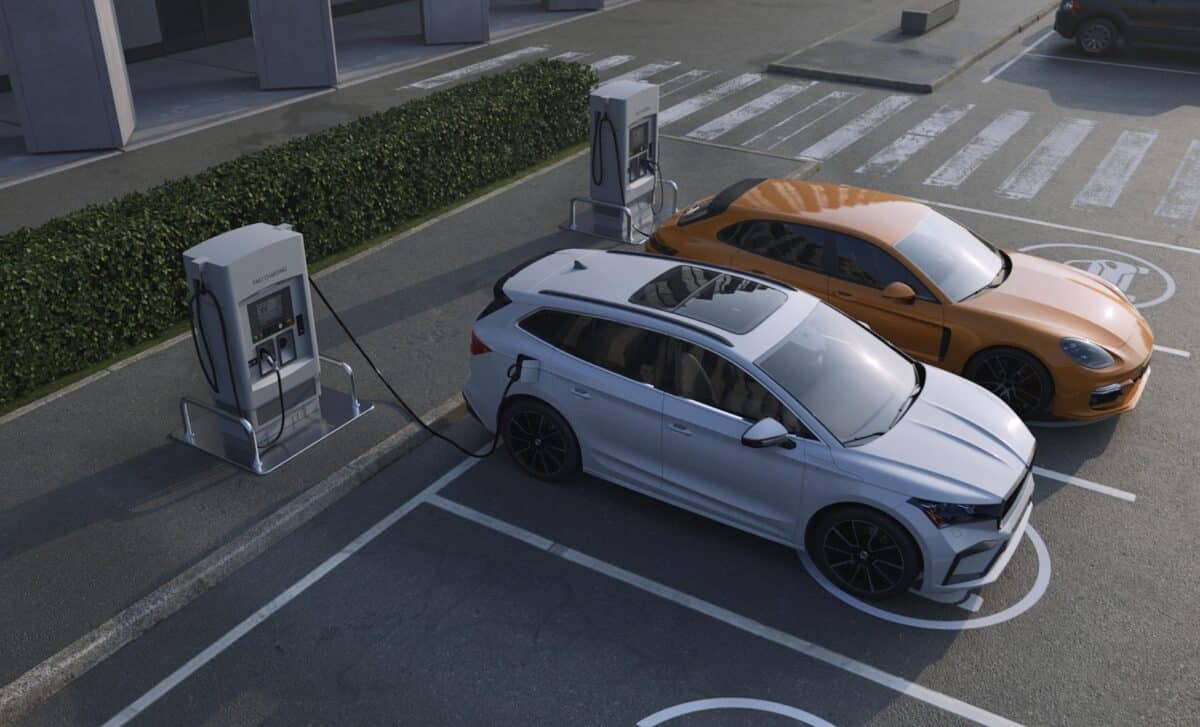
Electric vehicle owners could face a new 3p-per-mile road charging system from 2028, with the average motorist expected to pay around £267 a year. According to government estimates, around 5.6 million vehicles are expected to be affected during the first year of the scheme. The proposal is intended to replace part of the revenue currently raised through fuel duty as more motorists switch from petrol and diesel vehicles to electric models.
The measure, referred to as electric vehicle excise duty (eVED), was announced under Sir Keir Starmer’s Labour government and will be administered from 2028. According to the i paper, Andy Burnham remains committed to the policy following his appointment as Chancellor, replacing Rachel Reeves.
Government Says Measure Will Replace Declining Fuel Duty Revenue
The Government estimates that the average electric car driver travels around 8,900 miles each year. At a rate of 3p per mile, this would amount to an annual charge of approximately £267 for a typical driver.
According to the Department for Transport, the policy is designed to address the gradual reduction in fuel duty receipts as the number of electric vehicles on UK roads continues to increase. While drivers of petrol and diesel vehicles contribute through fuel duty each time they fill up, the department says electric vehicle owners do not currently make an equivalent contribution.
The Department for Transport states that all vehicles contribute to congestion and road wear, regardless of the type of powertrain. It says the new system is intended to ensure that, over the longer term, electric vehicle users contribute in a similar way to motorists who currently pay fuel duty.
The department also explains that the amount each driver pays under the new arrangement will depend on the number of miles driven, mirroring the way fuel duty naturally varies according to vehicle usage. According to the government’s impact assessment, around 5.6 million vehicles are expected to fall within the scope of the measure during the 2028–29 financial year. Motorists will become liable for the charge when they first renew their vehicle excise duty after April 2028.
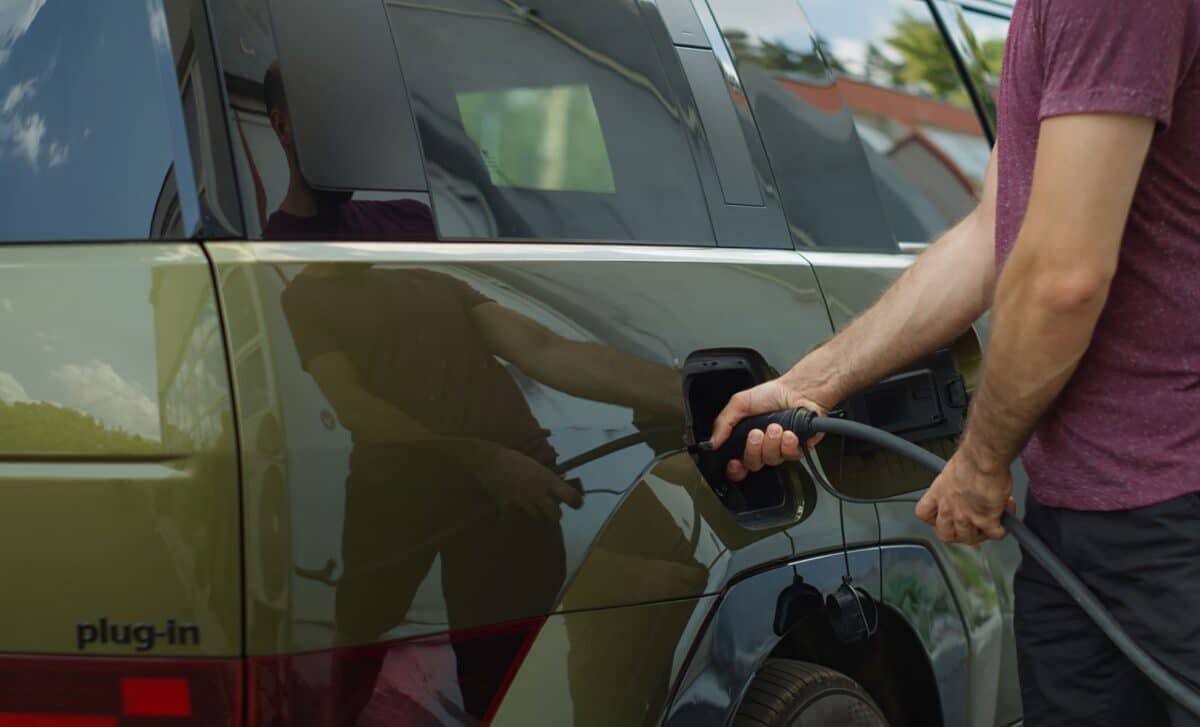
Survey Suggests Tax Could Influence Electric Vehicle Adoption
Research carried out by Venson Automotive Solutions indicates that the proposed charging system may affect consumer attitudes towards electric vehicles. The company found that 62% of drivers surveyed said a pay-per-mile tax would discourage them from switching to an electric vehicle.
According to Venson Automotive Solutions, its client management director Simon Staton said the findings “should ring alarm bells for policymakers”, suggesting that the proposed tax could have an impact on future adoption rates. The proposal was first announced by former Chancellor Rachel Reeves before her departure from the Treasury. Andy Burnham subsequently appointed former Defence Secretary John Healey as her replacement.
According to the Department for Transport, the objective of eVED is not only to maintain government revenues as fuel duty declines, but also to create a system under which payments reflect the distance travelled by electric vehicles. The department says the measure is expected to come into effect from 2028, with affected motorists beginning to pay the new charge when renewing their vehicle excise duty after April of that year.