
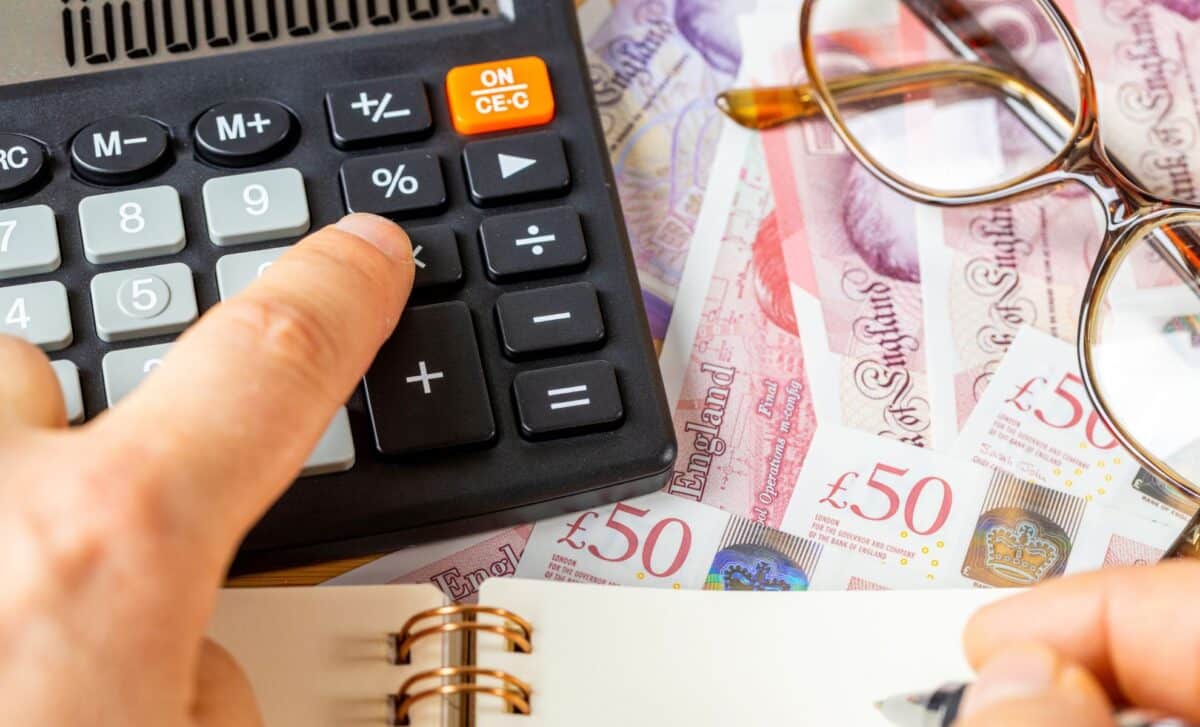
Millions of UK pensioners may face income tax on nearly all additional pension withdrawals in 2026/27. Financial experts are urging retirees to plan carefully as the State Pension consumes almost the entire Personal Allowance.
The UK’s full new State Pension is set to leave many retirees with almost no remaining tax-free income capacity during the 2026/27 tax year. With the annual State Pension reaching £12,548 and the Personal Allowance remaining at £12,570, pensioners receiving the full amount will have just £22 of tax-free income available before other pension withdrawals become taxable.
The situation has prompted warnings from financial advisers, who say many retirees underestimate how quickly pension withdrawals can trigger tax liabilities. According to Antonia Medlicott, founder and managing director of financial education specialist Investing Insiders, understanding how different income sources interact with tax thresholds is becoming increasingly important for retirement planning.
State Pension Payments Are Now Using Almost All of the Personal Allowance
According to Investing Insiders, the standard UK income tax Personal Allowance remains £12,570, meaning income up to that level is generally free from income tax. In the 2026/27 tax year, the full new State Pension will total £12,548 annually, leaving only £22 of unused allowance.
“This is something that many people forget and can seriously affect your pension plans if not accounted for,” Medlicott said. She noted that almost all money withdrawn from a private pension after receiving the State Pension will be subject to income tax at the basic rate of 20%, with higher-rate taxation applying once total income exceeds £50,270.
The adviser said retirees should avoid making unplanned withdrawals and instead consider how pension income fits within existing tax thresholds. According to the figures cited by Investing Insiders, coordinating withdrawals between partners can also help reduce tax exposure. Couples have access to two Personal Allowances and separate tax bands, creating opportunities to spread pension income more efficiently where one partner has lower earnings. Medlicott said this approach is often overlooked despite its potential to reduce tax bills and help households remain below higher tax thresholds.
Careful Withdrawals and Isa Savings May Help Reduce Tax Exposure
Investing Insiders also highlighted the importance of balancing retirement income needs with the long-term sustainability of pension savings. Medlicott provided an example based on a £600,000 pension pot growing at 4% annually after charges.
According to the analysis, withdrawing £25,000 per year would leave approximately £488,000 in the pension after 30 years. Annual withdrawals of £30,000 would reduce the remaining balance to £196,000 over the same period. At £35,000 per year, the fund would be exhausted after 28 years, while withdrawals of £40,000 annually would reduce its lifespan to roughly 22 years.
Medlicott said annual withdrawals between £25,000 and £32,500 can allow retirees to maintain what she described as a comfortable standard of living while remaining below the threshold for higher-rate income tax.
She also pointed to Stocks and Shares ISAs as a useful complement to pension savings. According to Investing Insiders, ISA withdrawals are tax-free and can be used alongside pension income to provide additional spending power without increasing taxable income. The adviser also noted that pensions are expected to become part of estates for inheritance tax purposes from April 2027. As a result, she recommended reviewing drawdown strategies regularly rather than relying indefinitely on an initial retirement income plan.