The measure will apply to households using domestic electricity supplies, including motorists who charge electric cars on driveways or at home. The government has said the change is expected to reduce the annual Ofgem price cap by around £45 in October.
The VAT rate on domestic electricity will fall from 5% to 0%, creating a difference between home charging costs and public charging locations, where the existing 20% VAT rate will remain. The change comes as households continue to face pressure from energy costs.
According to the government, the tax reduction is intended to provide support for families through lower energy bills. Prime Minister Andy Burnham said the policy was part of action to reduce household costs, while Chancellor John Healey said the measure would provide some relief on bills and support households across the country.
Home Charging Costs Set To Fall for Electric Vehicle Drivers
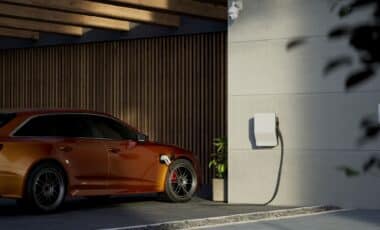
The VAT change will also affect electric vehicle owners who use domestic electricity to charge their cars. Drivers with access to a driveway and a home charging system will automatically benefit from the lower VAT rate because their vehicles are connected to household electricity supplies.
According to Andersen EV chief executive David Martell, the saving for an average electric vehicle driver charging at home is expected to be around £20 to £25 per year. He added that drivers covering higher mileages could see savings closer to £35 to £40 annually.
Examples provided by LeaseElectric show how the reduction could affect charging costs. A Volkswagen ID.3 150kW Match Pro S 79kWh model using the EDF Energy Go Electric with Pod Point tariff would see charging costs fall from 1.97p per mile to 1.89p per mile, according to the company.
The impact will depend on the electricity tariff used by each driver and how much they charge their vehicle at home. Carwow consumer writer Siobhan Doyle said the VAT reduction on household electricity would provide a benefit for drivers who rely on home charging.
Public Charging Users Face a Different Outcome
While households charging vehicles from domestic supplies will receive the VAT reduction, drivers who depend on public charging points will continue to pay VAT at the existing rate. This creates a difference between home charging and public charging costs.
According to the reports from Express, industry representatives have raised concerns that the change could widen the gap between motorists who have private parking and those who rely on public charging infrastructure.
Ben Nelmes, chief executive of New AutoMotive, said drivers using public chargers because they do not have access to private parking would continue paying VAT on each charge. He described this as a problem with the current structure of charging taxation.
The VAT change is scheduled to remain in place until the end of March 2027. The government has also reportedly considered extending the VAT removal to gas bills in a future Budget, which could create additional household savings if introduced.
For electric vehicle owners, the immediate effect of the measure will depend largely on where they charge their cars. Those using home electricity supplies will see lower charging costs, while motorists dependent on public charging networks will not receive the same reduction under the new rules.