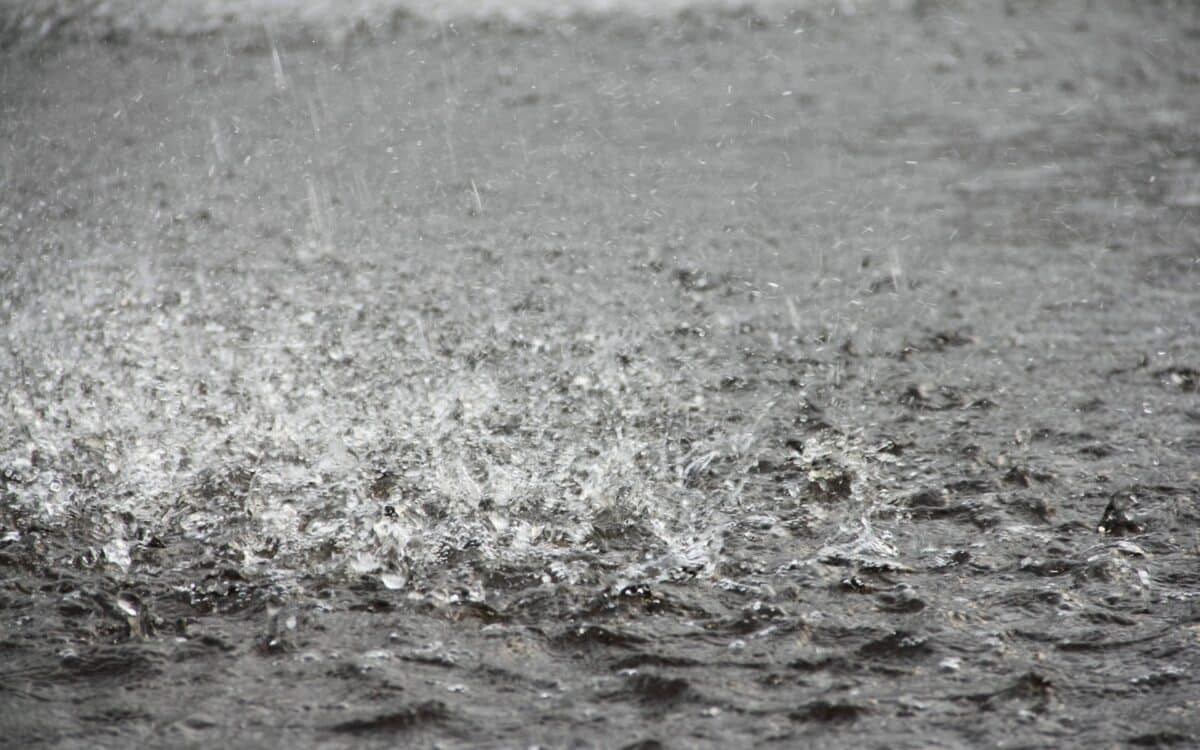
Scotland experienced significant rainfall over the weekend, with the Met Office issuing weather warnings for several areas, leading to the issuance of flood warnings in some regions. The heavy downpours, which were particularly intense in the western regions, caused rivers to rise and posed a threat to local agricultural land.
According to Daily Record, the Scottish Environment Protection Agency (SEPA) issued an official flood warning for Glen Lyon due to the heavy rainfall. The storms have raised concerns about the increasing frequency and severity of extreme weather events, which some experts attribute to climate change. The Met Office has also issued further warnings for unsettled weather conditions in the coming weeks.
River Lyon Threatens Glen Lyon with Flooding
On the night of August 30, the Scottish Environment Protection Agency (SEPA) issued a flood warning for the Glen Lyon area near Aberfeldy, after the River Lyon rose dramatically due to intense rainfall. The flood warning was first issued at 12:20 a.m., lasting until the morning of August 31, when the alert was lifted as conditions began to improve. SEPA’s warning read:
WARNING. Flooding is expected in Glen Lyon. Act now. The River Lyon has risen due to intense rainfall during Saturday night. Agricultural land along the Glen Lyon Valley is at risk of flooding.
SEPA further added,
An updated Flood Warning will be issued if river levels continue to rise and there is a risk of more widespread flooding. Remain vigilant and remember, it is your responsibility to take actions which help protect yourself and your property.
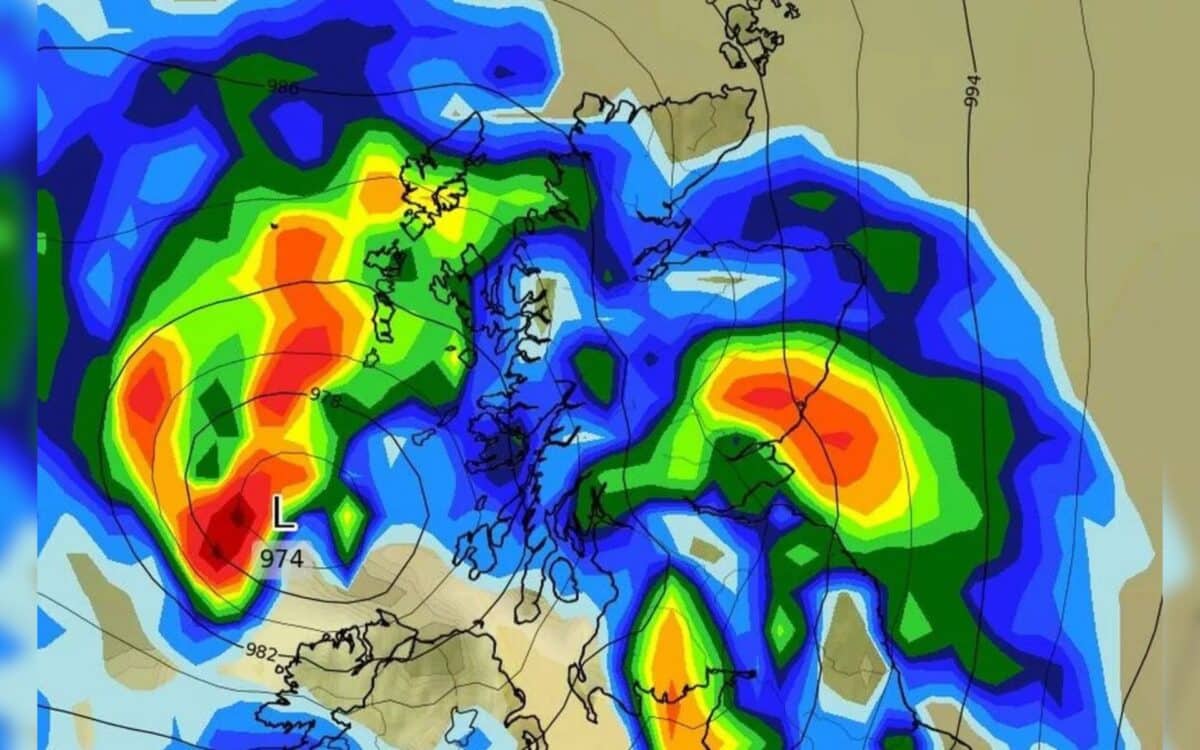
In parts of the Western Isles, the rainfall was particularly intense, reaching 16 to 32 millimeters per hour. These high rainfall rates were enough to cause concern for potential flooding in various regions, though the threat was largely localized. Meanwhile, Orkney and Shetland were spared from the worst of the downpours on Saturday, August 30, but the rainstorm was forecast to sweep across these islands on Sunday, August 31.
Scotland Faces More Unsettled Weather Ahead
The weekend’s weather was just the beginning of a longer trend of unsettled weather across the UK. The Met Office has provided a long-range forecast for September 4 to 13, warning of continued instability in the weather patterns:
Changeable and unsettled weather conditions are expected across the UK during this period with low-pressure systems tending to dominate the overall pattern. This will mean showers or longer spells of rain will affect much of the UK at times. Some heavy rain or showers are expected in places, most often in the west.
The Met Office also warned that thunderstorms and hail could occur, especially if deep areas of low pressure form close to the UK. Additionally, there could be strong winds, further intensifying the potential for disruption. The forecast also mentioned,
Some short-lived spells of drier and more settled weather are also possible at times, especially later in the period when they may last a little longer.
Although these conditions are expected to dominate much of September, temperatures are expected to be close to average or slightly below overall, with occasional warmer periods during any drier, sunnier spells. These forecasted conditions underscore the ongoing impact of climate change, as the frequency and intensity of storms continue to increase.
A Wake-Up Call for Climate Resilience
The flooding event in Glen Lyon is a stark reminder of the pressing need for better climate resilience in Scotland and across the globe. Following what may have been the hottest summer on record, this extreme rainfall marks a significant shift in the UK’s weather patterns. As global warming continues to drive more unpredictable and intense weather events, it’s crucial that communities adapt and prepare for more frequent storms and floods.
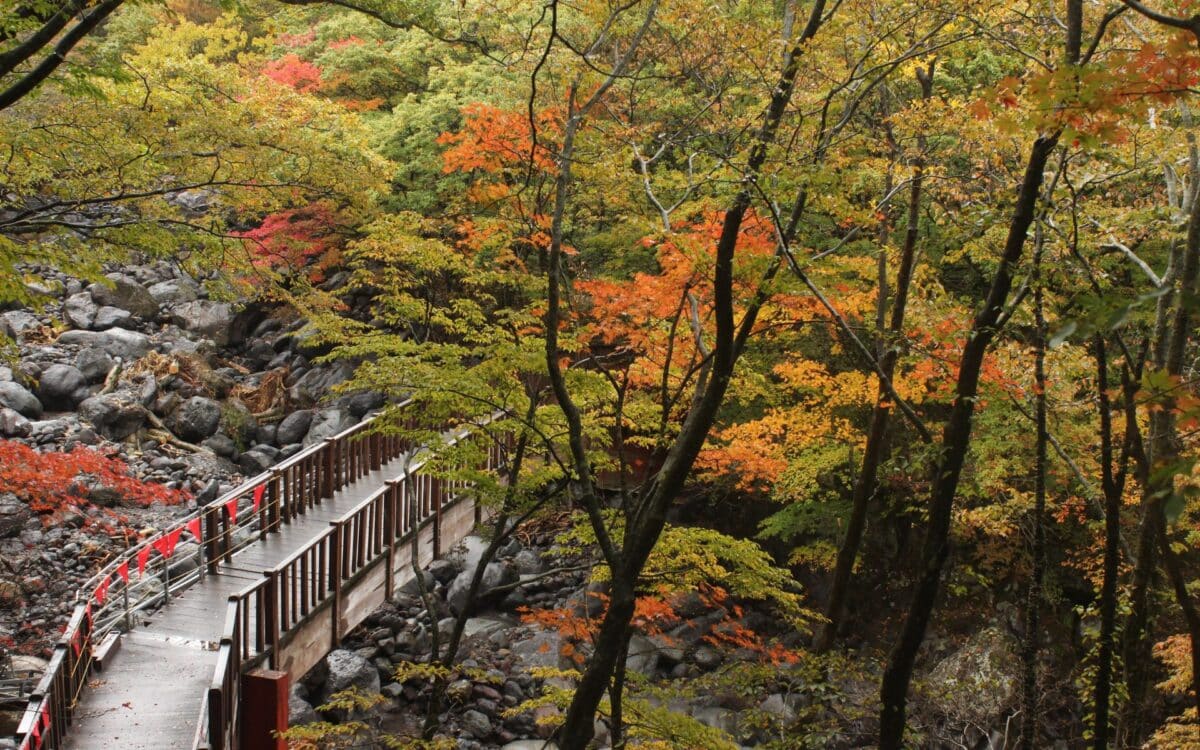
Moreover, the phenomenon of “false autumn” has been triggered, with the stress of the summer heat causing trees to prematurely shed their leaves. This unusual occurrence, coupled with more frequent heavy rain, signals the clear impact of climate change on the UK’s natural environment.