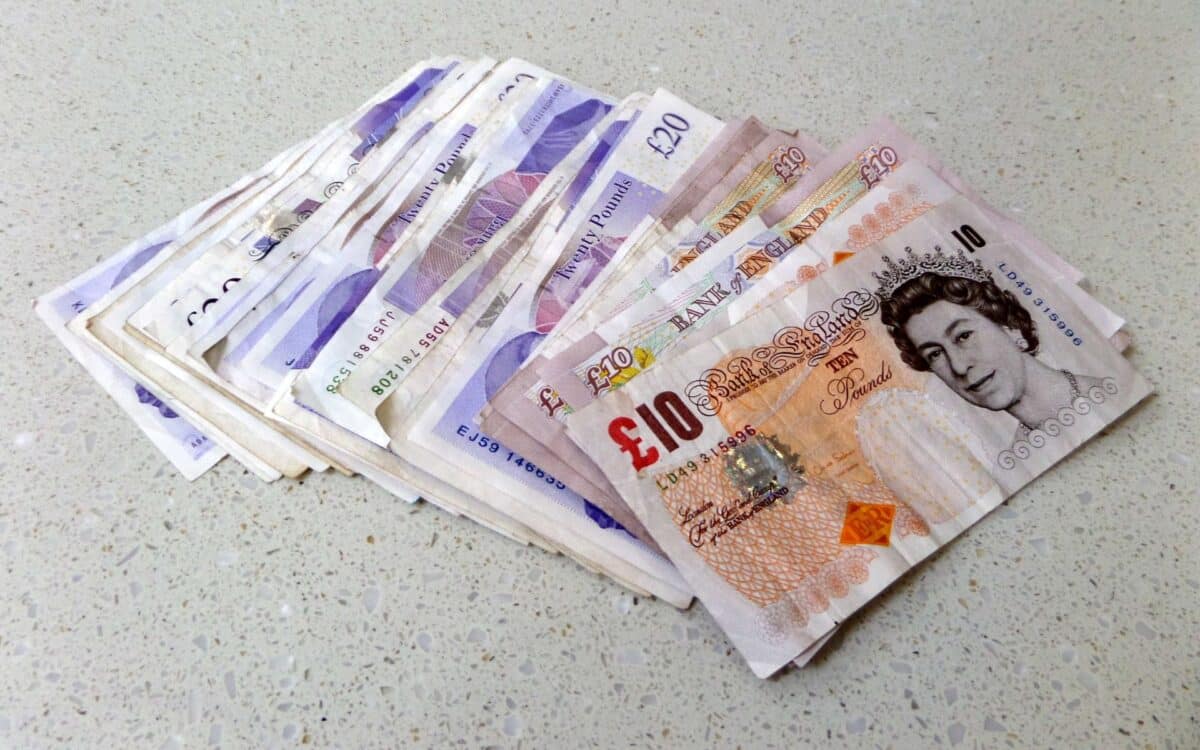
A recent rule change by the UK Government has made approximately 3 million additional people on low income eligible for the Help to Save scheme. Introduced at the beginning of the current financial year, the measure broadens access to a savings program that offers a cash bonus to support consistent deposits.
According to a report published by the
Daily Record, this change affects working individuals and households receiving Universal Credit or Working Tax Credit. The Help to Save scheme does not require regular monthly contributions, making it accessible to low income earners with limited capacity to save consistently or in large amounts.
Overview of Help to Save Scheme
The Help to Save account is a government-backed savings product aimed at people on low income. Managed by HM Revenue & Customs (HMRC), it offers a 50 percent bonus on savings — 50 pence for every £1 saved — up to a maximum of £1,200 over four years.
Savers can contribute between £1 and £50 each calendar month, though contributions are not required every month. Bonuses are awarded twice, after two and four years, based on the highest balance held during those periods. This approach encourages consistent saving while providing flexibility.
Eligibility and Account Features
As of now, 8 million people in the UK receive Universal Credit, but many are unaware that they may qualify for this unique savings opportunity. Following the policy extension, 3 million of these individuals are newly eligible due to relaxed criteria implemented in the current financial year.
Eligibility includes being a UK resident on Universal Credit with at least £1 in take-home pay during the latest monthly assessment period, or being entitled to Working Tax Credit. Those living abroad may apply if they are Crown servants, members of the British armed forces, or married to someone in either group.
Each individual is allowed to open only one account, which will close automatically four years after it is opened. If closed early, the saver loses the next due bonus and cannot reopen or replace the account. Couples claiming jointly may each apply separately.
User Behavior and National Participation
Since the scheme was launched in September 2018, it has paid out millions of pounds in bonuses. Over 500,000 people have benefited to date, with 93 percent of users consistently contributing the maximum £50 per month.
In Scotland alone, 36,050 savers have collectively deposited over £33.58 million into their Help to Save accounts. These figures indicate strong engagement across regions and demonstrate the scheme’s practical value for those on low income.
How the Savings and Bonuses Work
Users can deposit via debit card, bank transfer, or standing order, using either the GOV.UK platform or
the HMRC app. While deposits are flexible, savers cannot exceed £50 per calendar month, and all funds must be withdrawn to a linked bank account.
Withdrawals are permitted at any time, though reducing the account balance may affect the final bonus. Bonuses are calculated based on the highest amount held in the account during each two-year period.
For example, a saver contributing £50 every month for two years would accumulate £1,200 and receive a £600 bonus. If saving continues at the same pace for another two years, a second £600 bonus is awarded — resulting in a total of £1,200 in bonuses and £3,600 overall when the account closes.
Accessibility and Long-Term Outlook
One particularly useful feature is that you can open an account even if you’re not ready to start saving right away. As long as you qualify at the time of opening, you can begin making deposits later. This makes it easier for those on low income to take advantage of the scheme during temporary periods of eligibility.
Participation in Help to Save does not affect Universal Credit or Tax Credits, and you can continue using the account even if you stop receiving those benefits later on.
The government has now extended the scheme until April 2027, giving millions of low income households the opportunity to build financial buffers with guaranteed returns.