Lidl has launched a major new initiative to tackle food waste while supporting local communities. Starting May 15, 2026, the supermarket will give away surplus food through a partnership with Olio, a food-sharing app, and community network Neighbourly, potentially providing 11.9 million meals annually.
How the Free Food Trial Will Work
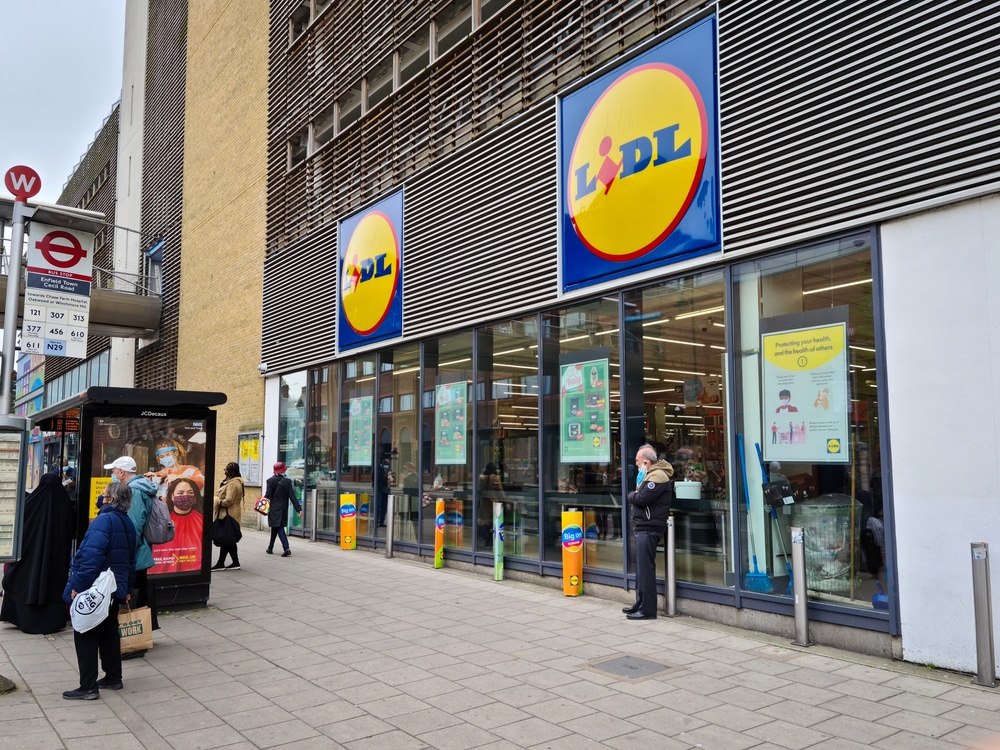
The trial is currently running across 20 Lidl stores in London and Northern England. Each evening, people will be able to collect surplus food, including chilled products, meat, fish, poultry, and popular bakery items. The initiative is coordinated through the Olio app, connecting volunteers—called Food Waste Heroes—with residents in need.
The programme ensures that surplus food reaches communities and charities even when other distribution channels are unavailable. The collection is completely free, making it accessible to households facing financial difficulties. Lidl has emphasized that the initiative complements, rather than replaces, existing charitable food distribution.
Fighting Food Waste While Helping Communities
Matt Juden, Head of Sustainability at Lidl GB, said: “At Lidl GB, we believe that no good food should ever go to waste. While we have already made massive strides in reducing our surplus, this extension of our Neighbourly-managed programme allows us to have even more impact.”
Steve Butterworth, CEO of Neighbourly, added that the initiative provides an additional layer for distributing fresh and chilled foods to local communities while supporting existing charity channels. Saasha Celestial-One, co-founder of Olio, highlighted the enthusiasm of volunteers who will rescue food through the app, maximizing the impact of the programme.
Lidl’s Broader Efforts to Reduce Food Waste
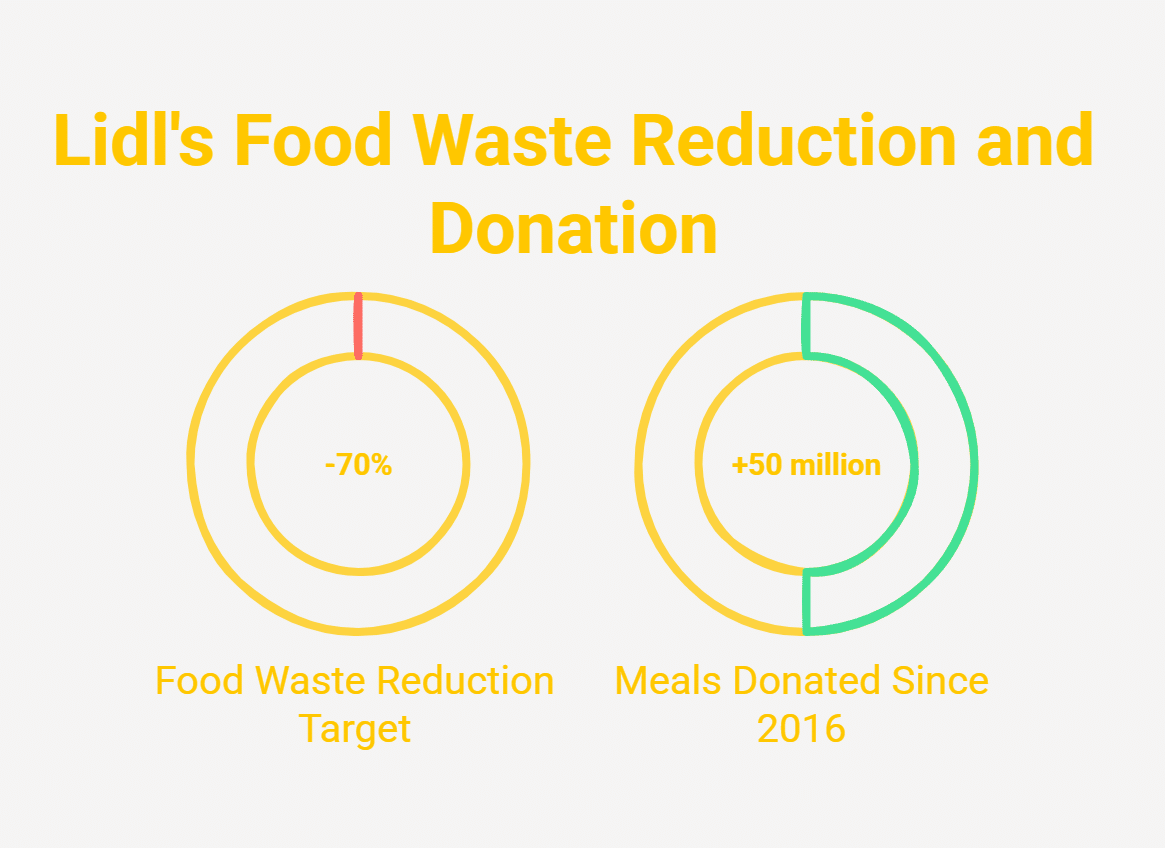
The trial is part of Lidl’s larger commitment to reduce food waste by 70% by 2030. Since 2016, Lidl has donated 50 million meals through its Feed it Back programme in partnership with Neighbourly.
If the trial proves successful, Lidl plans to expand evening collections across more stores, giving surplus food a second life and ensuring fewer edible items go to waste. The initiative demonstrates how retailers can address food insecurity, reduce waste, and support sustainable practices.
What This Means for Communities
By redistributing surplus food efficiently and safely, Lidl’s trial provides vital support to households in need while encouraging sustainable consumption. Fresh and edible products that might otherwise be discarded will now be available to local residents, helping to combat food insecurity and reduce environmental impact.
The programme illustrates the role supermarkets can play in reducing waste and supporting communities, showing that large-scale retail operations can make a meaningful difference in tackling social and environmental challenges simultaneously.